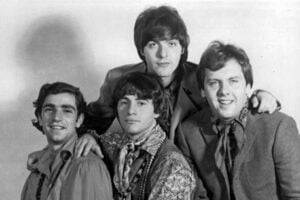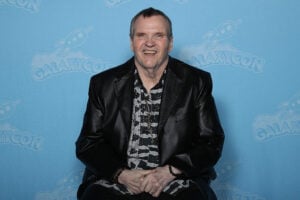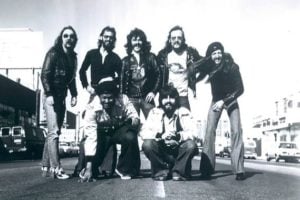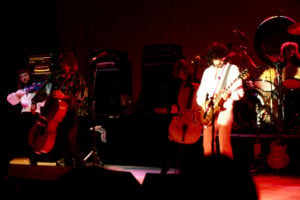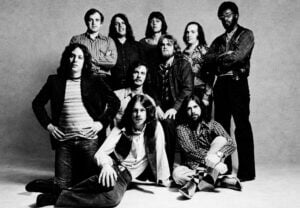
Feature Photo: Columbia Records, Public domain, via Wikimedia Commons
Our Complete List Of Blood, Sweat & Tears Band Members takes a look at the extraordinary musicians who have performed with one of the most innovative American rock bands of the past sixty years. When Blood, Sweat & Tears arrived on the music scene in 1967, there really wasn’t another major rock group doing exactly what they were doing. They combined the power of rock and roll with the sophistication of jazz, rhythm and blues, and classical music. And they did it with a complete horn section, which wasn’t something you heard every day from a rock band during the 1960s.
I’ve always thought Blood, Sweat & Tears were one of the most fascinating groups in rock history because of the extraordinary talent of the individual musicians. We’re talking about some of the finest horn players, guitarists, keyboardists, bassists, and drummers who ever performed in a rock band. And then there were the singers. Al Kooper helped create the group’s original sound, while David Clayton-Thomas brought an entirely different vocal personality that turned the band into an international sensation. It was a remarkable combination of musical ability and great songwriting.
Blood, Sweat & Tears formed in New York City in 1967, with Al Kooper, Bobby Colomby, Steve Katz, and Jim Fielder providing the original foundation. They were soon joined by Fred Lipsius, Dick Halligan, Randy Brecker, and Jerry Weiss. The group’s debut album, Child Is Father to the Man, appeared in 1968 and introduced a sound that combined rock, blues, jazz, and elaborate horn arrangements. Although the album didn’t produce the enormous hit singles that would follow, it established the band as one of the most musically adventurous groups of the period.
Everything changed when David Clayton-Thomas replaced Al Kooper as the group’s principal singer. The band’s second album, Blood, Sweat & Tears, became an enormous success, featuring three unforgettable hits: “You’ve Made Me So Very Happy,” “Spinning Wheel,” and “And When I Die.” All three recordings reached number two on the Billboard Hot 100 in 1969. The album also won the Grammy Award for Album of the Year, an extraordinary achievement during a year that produced some of the greatest records in rock history.
Unlike many rock bands that maintained a relatively stable lineup, Blood, Sweat & Tears went through an enormous number of personnel changes. Some musicians stayed for years, others participated in only one album or tour, and several became internationally famous through their work outside the group. The list includes musicians associated with jazz giants, major rock bands, television orchestras, and some of the most important recording sessions in American popular music. That constantly changing lineup became an essential part of the band’s identity.
David Clayton-Thomas, the singer most closely associated with the group’s biggest hits, passed away on June 24, 2026, at the age of eighty-four. His magnificent voice remains one of the defining sounds of the original jazz-rock movement. Blood, Sweat & Tears continued performing after his final departure, with founding drummer Bobby Colomby remaining involved in the band’s musical direction and organization. This complete band-members article begins with the eight original musicians, followed by the classic lineup, the changing groups of the 1970s, and the many performers who continued the band’s legacy through later decades.
The Original Blood, Sweat & Tears Band Members
Al Kooper – Lead Vocals, Organ, Piano, Keyboards (1967-1968)
Al Kooper was the driving creative force behind the original Blood, Sweat & Tears. Born on February 5, 1944, in Brooklyn, New York, Kooper developed an extraordinary reputation as a keyboard player, singer, songwriter, and arranger. Long before forming Blood, Sweat & Tears, he had already contributed to some important recordings, including Bob Dylan’s “Like a Rolling Stone,” on which his distinctive organ playing became a major part of the song’s sound. He was also a member of the Blues Project, one of the most interesting American blues-rock groups of the mid-1960s.
Kooper wanted to create a band that could combine the energy of rock and roll with the musical possibilities of jazz. That idea led to Blood, Sweat & Tears in 1967. He recruited musicians who could handle complicated arrangements while still creating exciting rock music. The group’s debut album, Child Is Father to the Man, was largely shaped by Kooper’s musical vision. He sang lead vocals, played keyboards, wrote songs, and contributed extensively to the arrangements. Recordings such as “I Love You More Than You’ll Ever Know” demonstrated his ability to combine blues and soul with a more sophisticated musical approach.
Kooper left Blood, Sweat & Tears in 1968 following disagreements about the band’s musical direction. He subsequently enjoyed an extraordinary career as a solo artist, session musician, songwriter, and producer. His work included the celebrated Super Session album with Mike Bloomfield and Stephen Stills, along with his important involvement in the early career of Lynyrd Skynyrd. Although he spent only a relatively short time with Blood, Sweat & Tears, the concept he developed became the foundation of everything the band accomplished afterward. Without Al Kooper, there would never have been Blood, Sweat & Tears as we know them.
Bobby Colomby – Drums, Percussion, Background Vocals (1967-1977)
Bobby Colomby was one of the founding members of Blood, Sweat & Tears and became one of the most important figures in the band’s entire history. Born on December 20, 1944, in New York City, Colomby developed his musical abilities as a drummer before becoming involved in the city’s rapidly expanding rock and jazz scene. He was part of the original group assembled with Al Kooper, Steve Katz, and Jim Fielder in 1967. His playing became an essential part of the band’s unusual combination of rock rhythms and jazz arrangements.
Colomby performed on the band’s classic recordings, including the enormously successful self-titled second album. I’ve always thought that the rhythm section was one of the most impressive parts of Blood, Sweat & Tears. The horn arrangements received plenty of attention, but those musicians needed a drummer who could handle complicated rhythms without losing the excitement of rock and roll. Colomby was exactly that kind of player. He could move between jazz-influenced passages, straightforward rock grooves, and sophisticated instrumental arrangements while maintaining a tremendous sense of time.
Colomby remained with Blood, Sweat & Tears through numerous lineup changes during the 1970s. He eventually stepped away from regular performing but continued to be associated with the band’s name and musical direction. He also became involved in producing and managing other artists, including working with the extraordinary bassist Jaco Pastorius. In later decades, Colomby played an important role in maintaining Blood, Sweat & Tears as a touring organization. His contributions extended far beyond drumming, making him one of the most important people in the band’s history.
Steve Katz – Guitar, Harmonica, Vocals (1967-1973)
Steve Katz was another founding member of Blood, Sweat & Tears who had previously worked with Al Kooper in the Blues Project. Born on May 9, 1945, in Brooklyn, New York, Katz became involved in the folk and blues scenes during the early 1960s. He eventually developed into an accomplished guitarist and singer whose playing combined the energy of rock and roll with influences from blues and traditional American music. His background made him an ideal musician for the ambitious group Kooper wanted to create.
Katz contributed guitar, vocals, and additional instruments to Blood, Sweat & Tears during its most commercially successful period. His performance of “Sometimes in Winter,” which he wrote and sang on the band’s second album, remains one of the most beautiful recordings in the group’s catalog. It’s a wonderful example of how the band could move from enormous brass arrangements to a more intimate composition without losing its musical personality. Katz also contributed guitar work to the group’s major hit recordings and remained involved through several important albums during the early 1970s.
After leaving Blood, Sweat & Tears, Katz continued working in music as a performer and producer. He became involved with the band American Flyer and later worked with artists in rock, folk, and blues. His career also included producing recordings by Lou Reed and other musicians. Katz eventually published his memoir, Blood, Sweat, and My Rock ‘n’ Roll Years, reflecting on his experiences in the music business. His contributions to the original Blood, Sweat & Tears sound were significant, particularly during the period when the band was developing its unique identity.
Jim Fielder – Bass Guitar, Background Vocals (1967-1974)
Jim Fielder was the original bassist of Blood, Sweat & Tears and one of the musicians responsible for holding together the band’s complicated arrangements. Born on October 4, 1947, in Denton, Texas, Fielder had already worked with several important musicians before joining the group. His earlier career included performances with Frank Zappa’s Mothers of Invention and Buffalo Springfield, giving him valuable experience with different musical styles.
Fielder’s bass playing became an essential part of the band’s sound. He performed on the original Child Is Father to the Man album and remained with the group during its enormous commercial success with David Clayton-Thomas. The bass lines on those recordings had to support everything from powerful rock rhythms to jazz-influenced horn arrangements. Fielder handled those demands beautifully. He was also an accomplished guitarist and contributed background vocals to the group’s performances.
Fielder remained with Blood, Sweat & Tears until 1974, making him one of the longest-serving original members during the band’s early recording career. He later continued working as a professional musician and returned as a special guest for performances with the group in March 2022. His work with Blood, Sweat & Tears remains one of the most important parts of his career, and his bass playing helped establish the musical foundation for some of the finest jazz-rock recordings of the late 1960s.
Fred Lipsius – Alto Saxophone, Piano, Keyboards (1967-1972)
Fred Lipsius was one of the original members who helped transform Blood, Sweat & Tears from a conventional rock group into something entirely different. Born on November 19, 1943, in New York City, Lipsius developed his musical abilities as a saxophonist, pianist, and arranger. He joined the emerging group in 1967 and helped recruit several of the horn players who would complete its original lineup. His background in jazz became an important part of the band’s identity.
Lipsius played alto saxophone and keyboards while also contributing important arrangements to the group’s recordings. His saxophone solo on “Spinning Wheel” remains one of the most recognizable instrumental passages in the band’s catalog. He also contributed to the arrangements that made songs such as “You’ve Made Me So Very Happy” and “And When I Die” sound so distinctive. There weren’t many rock bands during the 1960s where the saxophone and brass arrangements played such a central role in the music.
Lipsius left Blood, Sweat & Tears during the early 1970s and continued working as a jazz musician, composer, arranger, and educator. He became associated with Berklee College of Music and published instructional material for musicians. His contributions to the original band were enormous because he helped establish the sophisticated horn sound that became one of Blood, Sweat & Tears’ defining characteristics.
Dick Halligan – Trombone, Flute, Keyboards, Arrangements (1967-1972)
Dick Halligan was one of the original members of Blood, Sweat & Tears and an extraordinarily versatile musician. Born on August 29, 1943, in Troy, New York, Halligan studied music and developed considerable ability on several instruments. He joined Blood, Sweat & Tears in 1967 as part of the original horn section, initially contributing trombone and other brass instruments. His musical knowledge and arranging abilities became increasingly important as the group’s compositions grew more sophisticated.
When Al Kooper left in 1968, Halligan moved into a larger keyboard role, allowing the band to continue developing its arrangements with David Clayton-Thomas as lead singer. He played piano, organ, flute, and trombone while contributing to some of the group’s most successful recordings. Halligan also received a Grammy Award for his instrumental arrangement of “Variations on a Theme by Erik Satie,” demonstrating how far Blood, Sweat & Tears had moved beyond traditional rock and roll.
After leaving the band, Halligan continued working as a composer, arranger, and musician. His career included music for television and film, along with numerous other recording projects. He passed away on January 18, 2022, at the age of seventy-eight. Halligan’s contributions were particularly important because he helped connect the band’s jazz and classical influences with its rock and soul sound.
Randy Brecker – Trumpet, Flugelhorn (1967-1968)
Randy Brecker was one of the original trumpet players in Blood, Sweat & Tears. Born on November 27, 1945, in Cheltenham, Pennsylvania, Brecker developed into one of the most respected jazz trumpeters of his generation. He joined the band during its formation in 1967, helping create the powerful horn arrangements that distinguished the group’s debut album from other rock recordings of the period.
Although Brecker remained with Blood, Sweat & Tears for only a relatively short time, his contributions were important to the original lineup. He played trumpet and flugelhorn on Child Is Father to the Man, bringing the experience and musical sophistication needed for Al Kooper’s ambitious arrangements. After leaving, Brecker continued an extraordinary career in jazz and fusion, eventually forming the Brecker Brothers with his younger brother Michael. His later work included recordings and performances with numerous major artists, making him one of the most accomplished musicians ever associated with Blood, Sweat & Tears.
Jerry Weiss – Trumpet, Flugelhorn, Background Vocals (1967-1968)
Jerry Weiss completed the original trumpet section of Blood, Sweat & Tears alongside Randy Brecker. He joined the group in 1967 and appeared on its debut album, Child Is Father to the Man. His trumpet and flugelhorn playing contributed to the sophisticated horn arrangements that made the record so unusual for an American rock band at the time. He also contributed background vocals to the original lineup.
Weiss left Blood, Sweat & Tears during the 1968 personnel changes that followed Al Kooper’s departure. Although he didn’t participate in the band’s biggest hit recordings, his contribution to the original musical concept deserves recognition. Those early horn arrangements established the foundation that would eventually help Blood, Sweat & Tears become one of the most successful jazz-rock groups in history.
The Classic David Clayton-Thomas Era Members
David Clayton-Thomas – Lead Vocals, Songwriting (1968-1972; Later Returns)
David Clayton-Thomas was the singer most closely associated with the enormous commercial success of Blood, Sweat & Tears. Born David Henry Thomsett on September 13, 1941, in Kingston upon Thames, England, he grew up in Canada and developed his musical abilities through the Toronto rhythm and blues scene. Before joining Blood, Sweat & Tears, he performed with several Canadian groups, including the Shays and the Bossmen. His powerful voice and blues-influenced style eventually brought him to New York, where he became involved in the city’s music community.
Clayton-Thomas joined Blood, Sweat & Tears in 1968 following Al Kooper’s departure. His arrival completely changed the group’s commercial fortunes. The band’s self-titled second album became an enormous success, featuring “You’ve Made Me So Very Happy,” “Spinning Wheel,” and “And When I Die.” All three singles reached number two on the Billboard Hot 100 in 1969. Clayton-Thomas wrote “Spinning Wheel,” one of the most recognizable songs of the entire jazz-rock movement. His vocal performances helped turn the group into a major concert attraction, including an appearance at the Woodstock festival in August 1969.
I’ve always thought David Clayton-Thomas had one of the most extraordinary voices in rock history. It was powerful, soulful, and immediately recognizable. He could sing a beautiful ballad with tremendous tenderness and then deliver a full-throttle rhythm and blues performance without losing any of his musical control. His voice was a perfect match for the band’s enormous horn arrangements, giving the recordings an excitement that few other groups could duplicate.
Clayton-Thomas left the band during the early 1970s, returned for later recording and touring periods, and remained associated with Blood, Sweat & Tears through several subsequent decades. His later work included numerous solo albums and concert performances. He also became an important figure in Canadian popular music and was inducted into the Canadian Music Hall of Fame in 1996. David Clayton-Thomas passed away on June 24, 2026, in Toronto, at the age of eighty-four. His extraordinary voice remains one of the greatest legacies of Blood, Sweat & Tears.
Lew Soloff – Trumpet, Flugelhorn (1968-1973)
Lew Soloff joined Blood, Sweat & Tears in 1968 and became one of the most recognizable members of its classic horn section. Born on February 20, 1944, in Brooklyn, New York, Soloff developed his musical abilities through jazz studies and professional performances. He replaced one of the departing original trumpet players and joined the revised lineup that recorded the band’s enormously successful second album.
Soloff’s trumpet playing was an essential part of songs such as “Spinning Wheel,” “You’ve Made Me So Very Happy,” and “And When I Die.” His ability to handle complicated arrangements and powerful brass passages helped establish the band’s unmistakable sound. After leaving Blood, Sweat & Tears, Soloff continued an extraordinary career as a jazz musician and session player. He worked with many prominent artists and became one of the most respected trumpeters in New York’s music community. Soloff passed away on March 8, 2015, at the age of seventy-one.
Chuck Winfield – Trumpet, Flugelhorn, Background Vocals (1968-1973)
Chuck Winfield joined Blood, Sweat & Tears alongside Lew Soloff during the important 1968 lineup changes. He played trumpet and flugelhorn and contributed background vocals to the group. His performances helped create the powerful brass sound heard throughout the band’s classic recordings. Winfield was part of the lineup that recorded the three enormous hits from the self-titled second album, along with subsequent releases during the early 1970s.
What made the Blood, Sweat & Tears horn section so special was the musical precision of the players. These were musicians who could read and perform complicated arrangements while still giving the music a wonderful sense of excitement. Winfield contributed that combination of ability and energy throughout his years with the band. His work remains an important part of the group’s greatest recordings.
Jerry Hyman – Trombone, Recorder (1968-1970)
Jerry Hyman joined Blood, Sweat & Tears in 1968 as part of the revised horn section that followed Al Kooper’s departure. With Dick Halligan taking on more keyboard responsibilities, the group needed another accomplished trombonist. Hyman filled that role, contributing trombone and recorder to the new lineup.
Hyman performed on the band’s Grammy-winning second album and remained through its early period of international success. His work can be heard in the elaborate horn arrangements that made Blood, Sweat & Tears so distinctive. Although his tenure was relatively short, he participated in one of the most important chapters in the band’s history.
Blood, Sweat & Tears Members During the 1970s
Dave Bargeron – Trombone, Tuba, Horns, Vocals
Dave Bargeron joined Blood, Sweat & Tears around 1970 and became one of its most versatile instrumentalists. An accomplished trombonist and tuba player, he contributed to the band’s increasingly ambitious arrangements during the 1970s. His ability to move between low brass instruments and other musical responsibilities made him particularly valuable as the group continued exploring jazz and fusion. Bargeron later became a respected recording and touring musician whose career extended well beyond his years with Blood, Sweat & Tears.
Bobby Doyle – Lead Vocals, Piano
Bobby Doyle briefly joined Blood, Sweat & Tears in 1972 following David Clayton-Thomas’s departure. Doyle was already an experienced pianist and singer whose musical background included jazz, blues, and popular standards. His time with the band was short, but he participated in an important transitional period as the musicians attempted to establish a new identity without the singer responsible for their biggest hits.
Jerry Fisher – Lead Vocals
Jerry Fisher became the principal lead singer of Blood, Sweat & Tears during much of the early 1970s. He joined in 1972 and appeared on important albums including New Blood, No Sweat, and Mirror Image. Fisher brought a strong blues and soul influence to the group, allowing it to continue recording powerful vocal material while exploring different musical styles. I’ve always thought the Fisher-era recordings deserve more recognition because they demonstrate how much talent remained in the band after its original commercial peak.
Larry Willis – Keyboards, Piano
Larry Willis joined Blood, Sweat & Tears in 1972 and became one of the most important musicians in the band’s changing 1970s lineup. Willis was an extraordinary jazz pianist whose career included work with numerous prominent jazz and fusion artists. His sophisticated keyboard playing helped the group move further into jazz-influenced arrangements while maintaining its connections to rock and soul. He remained associated with Blood, Sweat & Tears for several years and later continued an acclaimed career as a jazz pianist and composer. Willis passed away in 2019.
Georg “Jojje” Wadenius – Guitar, Vocals
Georg Wadenius was a Swedish guitarist and singer who joined Blood, Sweat & Tears in 1972. His guitar playing brought a different musical personality to the group, combining rock, jazz, and fusion influences. Wadenius appeared on several albums during the early 1970s, including New Blood and No Sweat. His playing became particularly important as the band moved toward more instrumental experimentation. He later developed a successful career as a recording and session guitarist, working with numerous major artists.
Lou Marini Jr. – Saxophone, Flute
Lou Marini Jr. joined Blood, Sweat & Tears during the early 1970s, contributing tenor saxophone, soprano saxophone, and flute. Marini developed into one of the most respected horn players in American popular music, eventually becoming especially recognizable through his work with the Blues Brothers. He also enjoyed an extensive career as a studio musician and member of television orchestras. His time with Blood, Sweat & Tears was an important part of his early professional development, and his musical versatility made him a valuable contributor to the band’s arrangements.
Joe Henderson – Tenor Saxophone
Joe Henderson was one of the most respected jazz saxophonists associated with Blood, Sweat & Tears. His involvement with the band was brief during the early 1970s, but his reputation in the jazz world was already considerable. Henderson had recorded numerous acclaimed albums and worked with some of the finest musicians of his generation. His connection with Blood, Sweat & Tears demonstrated the band’s willingness to work with accomplished jazz artists rather than limiting itself to conventional rock musicians. Henderson passed away in 2001.
Tom “Bones” Malone – Trombone, Trumpet, Saxophone
Tom Malone became involved with Blood, Sweat & Tears during the early 1970s, bringing extraordinary versatility as a multi-instrumentalist and arranger. Malone could perform on trombone, trumpet, saxophone, and other instruments, making him an ideal musician for a band whose arrangements required so many different horn sounds. He later became famous for his work with the Blues Brothers and as a longtime member of television studio bands, including those associated with Saturday Night Live and David Letterman’s late-night programs.
John Madrid – Trumpet, Flugelhorn
John Madrid joined Blood, Sweat & Tears during the early 1970s, contributing trumpet and flugelhorn to the band’s changing horn section. His involvement came during the period when the group was continuing to develop more jazz-influenced material after the departure of several original musicians. Madrid helped maintain the strong brass sound that remained central to Blood, Sweat & Tears’ identity.
Jerry LaCroix – Lead Vocals, Saxophone, Flute, Harmonica
Jerry LaCroix briefly became involved with Blood, Sweat & Tears in 1974. He was an accomplished singer and multi-instrumentalist whose musical background included blues, rock, and soul. LaCroix had previously performed with Edgar Winter’s White Trash, giving him considerable experience with horn-driven rock music. His participation in Blood, Sweat & Tears was short, but he was well suited to the band’s combination of powerful vocals and sophisticated arrangements. LaCroix passed away in 2014.
Luther Kent – Lead Vocals
Luther Kent was another powerful vocalist who briefly worked with Blood, Sweat & Tears during the 1970s. Born in New Orleans, Kent developed a reputation as an accomplished blues and soul singer. His rich, commanding voice made him a natural choice for a band that had become famous through David Clayton-Thomas’s powerful vocal performances. Although Kent’s involvement with Blood, Sweat & Tears was relatively brief, he continued enjoying a respected career in blues and rhythm and blues music.
Ron McClure – Bass Guitar
Ron McClure joined Blood, Sweat & Tears during the mid-1970s after Jim Fielder’s departure. He was already a respected jazz bassist whose musical experience included work with Charles Lloyd and numerous other jazz performers. McClure’s playing brought another level of sophistication to the band’s rhythm section. He contributed to performances and recordings during a period when Blood, Sweat & Tears was exploring increasingly elaborate jazz arrangements. His career outside the band included decades of work as a bassist, composer, and educator.
Tony Klatka – Trumpet, Flugelhorn
Tony Klatka joined the band’s horn section in 1974 and remained involved through several important mid-1970s recordings. His trumpet playing contributed to the powerful brass arrangements that continued defining Blood, Sweat & Tears even after the group’s commercial peak. Klatka worked alongside musicians from jazz, rock, and fusion backgrounds, demonstrating the band’s commitment to maintaining a high level of instrumental talent.
Bill Tillman – Saxophone, Flute, Clarinet, Vocals
Bill Tillman was one of the important horn players in Blood, Sweat & Tears during the mid-1970s. He contributed saxophone, flute, clarinet, and background vocals, bringing considerable versatility to the group’s arrangements. Tillman was part of the band’s performing and recording lineup during a period when its music continued incorporating jazz and soul influences. His instrumental abilities helped maintain the sophisticated horn sound that made Blood, Sweat & Tears recognizable.
Joe Giorgianni – Trumpet, Flugelhorn
Joe Giorgianni joined the band during the mid-1970s and contributed trumpet and flugelhorn to the horn section. His involvement was part of the group’s continuing evolution as several musicians moved on to other recording and touring opportunities. Although he was not associated with the original hit-making lineup, Giorgianni helped continue the band’s jazz-rock sound during an important transitional period.
Jaco Pastorius – Bass Guitar
Jaco Pastorius was one of the most extraordinary musicians ever associated with Blood, Sweat & Tears. Born on December 1, 1951, Pastorius developed into a revolutionary electric bassist whose innovative techniques and remarkable musical imagination transformed modern jazz and fusion. His association with Blood, Sweat & Tears began during the mid-1970s, when Bobby Colomby became interested in his playing.
Pastorius performed with Blood, Sweat & Tears for a relatively brief period during 1975 and 1976, including appearances as a substitute bassist before becoming part of the touring lineup. Colomby also produced Pastorius’s groundbreaking self-titled solo album, released in 1976. Jaco subsequently joined Weather Report, where he became internationally famous. Although his time with Blood, Sweat & Tears was short, his connection to the band is an important part of its history. Pastorius passed away in 1987, leaving behind an extraordinary musical legacy.
Steve Khan – Guitar
Steve Khan was one of the accomplished jazz guitarists who performed with Blood, Sweat & Tears during the mid-1970s. He participated in the period when the band was moving through several guitarists, contributing to live performances that reflected its increasingly jazz-oriented direction. Khan later became a highly respected jazz and fusion guitarist, recording numerous albums under his own name and working with major performers.
Mike Stern – Guitar
Mike Stern joined Blood, Sweat & Tears during the mid-1970s and became one of the most accomplished guitarists ever associated with the group. Stern’s playing combined rock guitar energy with sophisticated jazz harmony and improvisation. Following his time with Blood, Sweat & Tears, he developed an extraordinary career in jazz fusion, including important work with Miles Davis. His involvement demonstrates how the group became a gathering place for musicians who would later enjoy major careers in modern jazz.
Don Alias – Percussion
Don Alias was a respected jazz and Latin percussionist who performed with Blood, Sweat & Tears during the mid-1970s. His contributions helped expand the group’s rhythmic possibilities beyond the conventional rock drum kit. Alias brought experience in jazz, Latin music, and fusion, allowing the band to incorporate additional percussion textures into its live performances and recordings. He later worked with numerous important jazz artists and became one of the most respected percussionists in his field.
Forrest Buchtel – Trumpet, Flugelhorn
Forrest Buchtel joined Blood, Sweat & Tears during the mid-1970s. His background included work with the Woody Herman Orchestra, giving him considerable experience with large jazz ensembles and sophisticated brass arrangements. Buchtel helped maintain the group’s powerful horn section during a period when several musicians were departing for other projects. His playing reflected the continued importance of experienced jazz performers to the band’s sound.
Roy McCurdy – Drums
Roy McCurdy became involved with Blood, Sweat & Tears during the later 1970s. He was already an accomplished jazz drummer whose career included performances with Cannonball Adderley and other prominent musicians. McCurdy’s experience brought a strong jazz sensibility to the band’s rhythm section. His time with Blood, Sweat & Tears demonstrated how successfully the group could move between rock, soul, and jazz even as its personnel continued changing.
Danny Trifan – Bass Guitar
Danny Trifan performed with Blood, Sweat & Tears during the mid-to-late 1970s, taking part in the band’s changing rhythm section after the brief involvement of Jaco Pastorius. His bass playing helped support the increasingly elaborate arrangements that characterized this period. Trifan was part of the group as it continued touring and recording despite major changes in its lineup and commercial fortunes.
Keith Jones – Bass Guitar
Keith Jones briefly performed with Blood, Sweat & Tears during 1976, following Jaco Pastorius’s departure. His involvement came at a time when the band was moving through several bassists and experimenting with different combinations of jazz and rock musicians. Although his tenure was short, Jones helped maintain the rhythm section during that transition.
Randy Bernsen – Guitar
Randy Bernsen was among the guitarists who performed with Blood, Sweat & Tears during 1977. An accomplished jazz-fusion player, Bernsen later developed a career as a solo artist and session guitarist. His musical background was well suited to the group’s increasingly jazz-oriented direction, demonstrating the continued importance of improvisation in Blood, Sweat & Tears’ performances.
Barry Finnerty – Guitar
Barry Finnerty joined Blood, Sweat & Tears during the later 1970s. A highly accomplished jazz guitarist, he contributed to the band’s live performances during a period when its instrumental arrangements had become increasingly sophisticated. Finnerty subsequently worked with major jazz and fusion musicians, continuing a career that demonstrated the remarkable talent of the players who passed through Blood, Sweat & Tears.
Neil Stubenhaus – Bass Guitar
Neil Stubenhaus performed with Blood, Sweat & Tears during the late 1970s and later became one of the most respected session bassists in the music industry. His career included recordings with numerous major pop, rock, and jazz artists. His involvement with Blood, Sweat & Tears was part of the continuing tradition of bringing outstanding professional musicians into the group’s rhythm section.
Gregory Herbert – Saxophone
Gregory Herbert was a talented saxophonist who performed with Blood, Sweat & Tears during the late 1970s. He had already developed considerable experience as a jazz musician, and his playing contributed to the band’s horn section during a period of substantial personnel changes. Herbert passed away in 1978 at the age of thirty, bringing a promising musical career to an early end.
Chris Albert – Trumpet
Chris Albert became involved with Blood, Sweat & Tears during the late 1970s, contributing trumpet to the band’s changing horn arrangements. His participation reflected the group’s continuing commitment to experienced brass musicians as it moved through different recording and touring lineups.
Bobby Economou – Drums
Bobby Economou performed with Blood, Sweat & Tears during several periods, including the late 1970s, the early 1980s, and a return during the 1990s. His drumming helped maintain the group’s rhythm section after Bobby Colomby stepped away from regular touring. Economou’s repeated involvement made him one of the musicians associated with several different generations of the band.
Bruce Cassidy – Trumpet, Flugelhorn
Bruce Cassidy joined Blood, Sweat & Tears around the end of the 1970s, contributing trumpet and flugelhorn. An accomplished jazz musician, Cassidy became associated with the band’s later sound as it continued exploring different instrumental combinations. His involvement added another accomplished horn player to a group whose history was filled with talented brass musicians.
David Piltch – Bass Guitar
David Piltch performed with Blood, Sweat & Tears during the late 1970s and early 1980s. His musical career eventually extended into numerous recording and touring projects. Piltch’s bass playing helped support the group’s changing arrangements during a period when its sound was moving further toward jazz fusion.
Robert Piltch – Guitar
Robert Piltch was another guitarist associated with Blood, Sweat & Tears during the late 1970s. His playing contributed to the band’s performing lineup during the period surrounding Nuclear Blues. Like several other musicians from this era, Piltch brought a background that combined rock and jazz influences.
Richard Martinez – Keyboards
Richard Martinez joined Blood, Sweat & Tears during the late 1970s, contributing keyboards as the band continued performing with a changing rhythm section and horn lineup. His involvement came during the period when the group was preparing material that reflected a stronger jazz-fusion influence than its original pop hits.
Vernon Dorge – Saxophone, Flute
Vernon Dorge was one of the musicians who contributed saxophone and flute to Blood, Sweat & Tears during the late 1970s and early 1980s. His playing became part of the band’s continuing horn arrangements as it moved through another period of personnel changes.
Earl Seymour – Saxophone, Flute
Earl Seymour performed with Blood, Sweat & Tears during the same later period, contributing saxophone and flute. His involvement helped maintain the instrumental arrangements that remained central to the band’s musical identity, even as the group moved away from the sound of its original hit recordings.
Mic Gillette – Trumpet, Trombone
Mic Gillette was an extraordinary brass player who became involved with Blood, Sweat & Tears around 1980. He had already developed a reputation through his work with Tower of Power, another band famous for its powerful horn section. Gillette’s ability to perform on several brass instruments made him an ideal musician for Blood, Sweat & Tears. He later returned to Tower of Power and continued working as a respected horn player. Gillette passed away in 2016.
Lou Pomanti – Keyboards
Canadian keyboardist Lou Pomanti joined Blood, Sweat & Tears during the early 1980s. His career included extensive work as a pianist, organist, composer, and arranger. Pomanti’s versatility helped support the band’s sophisticated arrangements during a period when its music continued combining jazz, rock, and soul influences.
Additional Blood, Sweat & Tears Musicians From the 1970s and Early 1980s
Because Blood, Sweat & Tears went through so many personnel changes, several additional musicians participated for relatively short periods. These included guitarist Jeff Richman, who filled in for Mike Stern during 1976; trumpeter Michael Lawrence, who performed with the band in 1977; and guitarist Kenny Marco, who was associated with the 1979 lineup.
The late-1970s and early-1980s horn sections also included musicians such as Steve Kennedy and Harvey Kogan on saxophone and flute. Keyboardist Joe Sealy participated in the 1979 lineup, while drummers Sally Chappis and Jack Scarangella contributed to performances during the same period. Wayne Pedzwater later played bass, and guitarist Peter Harris was associated with the group during the early 1980s. These musicians represent the continuing changes in the band’s performing lineup before its next major reorganization.
Blood, Sweat & Tears Members During the 1980s and 1990s
Steve Guttman – Trumpet
Steve Guttman became one of the longest-serving horn players in the later history of Blood, Sweat & Tears. He joined during the mid-1980s and remained associated with the group for roughly two decades. His trumpet playing helped maintain the powerful brass arrangements that were essential to the band’s sound. Guttman participated in numerous tours and performances, making him an important figure in the group after its original hit-making era.
Glenn McClelland – Keyboards
Glenn McClelland became one of the most important keyboardists in the later Blood, Sweat & Tears lineups. He first joined during the late 1980s and returned on several occasions, eventually becoming a longtime member of the touring group. McClelland’s musical background includes extensive professional work as a keyboard player and arranger. His role was particularly important because the band’s music required a player capable of handling everything from organ-driven rock songs to sophisticated jazz harmonies.
Dave Gellis – Guitar
Dave Gellis joined Blood, Sweat & Tears during the mid-1980s and returned for several later periods. His guitar playing helped maintain the rock and blues elements of the band’s sound while the horn section continued providing the more elaborate jazz arrangements. Gellis became one of the most familiar guitarists associated with the later touring generations of the group.
Richard Sussman – Keyboards
Richard Sussman was a highly accomplished keyboardist who performed with Blood, Sweat & Tears during the mid-1980s. His career included work as a jazz musician, composer, producer, and educator. Sussman’s musical background made him well suited to a group whose material required strong improvisational ability and sophisticated harmonic knowledge.
Tom Timko – Saxophone, Flute
Tom Timko became one of the recurring horn players in the later history of Blood, Sweat & Tears. He performed with the band during several different periods beginning in the 1980s and returning through the 1990s and 2000s. His saxophone and flute playing contributed to the group’s continuing live performances, helping recreate the horn arrangements associated with its classic recordings.
Barry Danielian – Trumpet
Barry Danielian was another respected trumpet player who appeared in Blood, Sweat & Tears during more than one period. He first performed with the group during the mid-1980s and later returned during the 2010s. Danielian’s extensive experience in jazz, pop, and studio recording made him a strong addition to the band’s horn section.
Charley Gordon – Trombone
Charley Gordon performed with Blood, Sweat & Tears during several periods beginning in the late 1980s. His trombone playing helped support the elaborate brass arrangements that remained essential to the group’s live sound. Gordon became one of several musicians who returned to Blood, Sweat & Tears for different touring engagements over the years.
Dave Panichi – Trombone
Dave Panichi was a trombonist who performed with Blood, Sweat & Tears during the late 1980s and returned during the 1990s. His musical background included jazz performance and arranging, giving him the skills needed for the group’s sophisticated horn parts. He was among the musicians who helped keep the original brass-rock concept alive during the band’s later decades.
Gary Foote – Bass Guitar
Gary Foote became one of the longest-serving bassists associated with Blood, Sweat & Tears during its later touring years. He joined around 1990 and returned for several extended periods through the early 2010s. Foote was responsible for maintaining the bass parts of songs that frequently combined rock rhythms with jazz-influenced arrangements. His lengthy association with the group made him an important part of its later concert history.
Tim Ries – Saxophone, Flute
Tim Ries performed with Blood, Sweat & Tears during the early-to-mid-1990s. He was already developing an impressive reputation as a saxophonist, composer, and arranger. Ries later became particularly well known for his work with the Rolling Stones, including performances and recordings that incorporated jazz interpretations of the band’s music. His career demonstrates the extraordinary musical ability of the horn players who continued passing through Blood, Sweat & Tears.
Matt King – Keyboards
Matt King joined Blood, Sweat & Tears during the mid-1990s, contributing piano and keyboards to the touring lineup. His musical background included jazz, rock, and studio performance, allowing him to handle the complicated arrangements associated with the group’s catalog. King remained involved for several years, supporting the band through another period of changing personnel.
Jerry Sokolov – Trumpet
Jerry Sokolov performed with Blood, Sweat & Tears during the late 1980s and early 1990s. His trumpet work helped maintain the band’s brass arrangements during a period when the group was continuing its extensive touring schedule. Sokolov was among the musicians who contributed to the later decades of Blood, Sweat & Tears without appearing on its original hit recordings.
Dale Kirkland – Trombone
Dale Kirkland became a recurring trombonist with Blood, Sweat & Tears during the 1990s and 2000s. He participated in several separate touring periods, helping support the band’s horn section. His ability to return to the group at different times reflects the way Blood, Sweat & Tears developed a network of experienced professional musicians who could step into its demanding arrangements.
Zach Danziger – Drums
Zach Danziger joined Blood, Sweat & Tears during the late 1990s and remained associated with the band into the early 2000s. He brought an accomplished background in jazz, fusion, and contemporary drumming to the group’s rhythm section. Danziger’s playing helped maintain the musical complexity of the band’s performances while connecting its sound to a newer generation of musicians.
Additional 1980s and 1990s Blood, Sweat & Tears Personnel
Other musicians associated with the group’s 1980s lineups included guitarists James Kidwell and Steve Conte; bassists Al Hospers, Jeff Andrews, Ray Peterson, and John Conte; keyboardist Taras Kovayl; trumpeter Tim Ouimette; saxophonists Mario Cruz and Scott Kreitzer; trombonist Teddy Mulet; and drummer Ricky Sebastian. Drummer Tom DeFaria and trombonist Randy Andos also participated during the mid-1980s.
During the late 1980s and early 1990s, the band worked with musicians including bassist Jeff Gellis, saxophonist Dave Riekenberg, and drummers Graham Hawthorne, Van Romaine, Nick Saya, and Neil Capolongo. Other performers during that period included saxophonists Wayne Schuster and Jack Bashcow, guitarist Larry DeBari, and keyboardists Mike Mancini, Henry Hey, and Cliff Korman. Some appeared as regular members, while others filled in for shorter engagements.
The 1990s also brought bassists Mike DuClos and other replacement players, drummer Jonathan Peretz, trumpeter Craig Johnson, and guitarist Tom Guarna. Additional musicians included drummers Matt Milmerstadt and Brian Delaney, trumpeters Jon Owens, Dave Stahl, and Winston Byrd, and saxophonists Charles Pillow and Dave Pietro. Blood, Sweat & Tears also worked with guitarist James Fox, keyboardist Dan Zank, and trombonist Pat Hallaran. These personnel changes illustrate how extensive the band’s touring history had become.
Blood, Sweat & Tears Band Members During the 2000s
Andrea Valentini – Drums
Andrea Valentini joined Blood, Sweat & Tears during the early 2000s and became an important member of the band’s rhythm section. His drumming helped support the group’s demanding arrangements during a period when the band continued performing internationally. Valentini remained associated with Blood, Sweat & Tears for approximately a decade, making him one of the more established drummers of its later touring years.
Rob Paparozzi – Lead Vocals, Harmonica
Rob Paparozzi became one of the principal lead singers of Blood, Sweat & Tears during the 2000s. An accomplished singer and harmonica player, Paparozzi had already developed an impressive professional reputation in blues, rock, and jazz. His musical background made him well suited to the band’s repertoire, particularly the powerful vocal arrangements originally associated with David Clayton-Thomas. Paparozzi performed with the group for several years and also continued an extensive career as a recording and concert musician.
Steve Jankowski – Trumpet
Steve Jankowski became involved with Blood, Sweat & Tears during the mid-2000s and remained with the group for several years. His trumpet playing was an important part of the band’s later horn section. Jankowski’s professional career included work as an arranger and studio musician, giving him the versatility needed for the group’s elaborate brass compositions.
Jens Wendelboe – Trombone
Jens Wendelboe was another accomplished brass musician who joined Blood, Sweat & Tears during the 2000s. Born in Norway, Wendelboe developed a reputation as a trombonist, composer, and arranger. His work with the group continued the tradition of bringing experienced jazz musicians into the horn section. He remained associated with Blood, Sweat & Tears for several years while also developing his own musical projects.
Ken Gioffre – Saxophone
Ken Gioffre became one of the important saxophonists in the group’s later touring lineups. He joined during the early 2010s and continued performing with the band in subsequent years. Gioffre’s saxophone playing contributed to the horn arrangements that remained central to Blood, Sweat & Tears’ identity. His involvement helped maintain the instrumental quality of a group whose repertoire placed considerable demands on its musicians.
Jason Paige – Lead Vocals
Jason Paige performed as lead singer with Blood, Sweat & Tears during the early 2010s. Paige had already enjoyed a successful career as a professional vocalist and recording artist, including singing the original English-language theme song for the Pokémon animated series. His involvement with Blood, Sweat & Tears demonstrated the group’s continued willingness to bring singers from different musical backgrounds into its touring organization.
Joel Rosenblatt – Drums
Joel Rosenblatt joined Blood, Sweat & Tears during the early 2010s and became one of its later drummers. He was already an accomplished musician with extensive experience in jazz, rock, and fusion, including work with the band Spyro Gyra. His drumming provided the precision and musical flexibility required for Blood, Sweat & Tears’ arrangements. Rosenblatt also returned for occasional performances after his initial tenure.
Additional Blood, Sweat & Tears Musicians From the 2000s
Other musicians who performed with Blood, Sweat & Tears during the early 2000s included guitarists Gil Parris and Gregg Sullivan, keyboardists Phil Magallanes, Chris Fischer, John Samorian, and Eric Cortright, and saxophonist Darcy Hepner. Trumpeters Joe Mosello and Nick Marchione were also associated with the group, along with bassist Leo Huppert and vocalist Scottie Wallace.
Additional singers included Thomas Connor, who performed vocals and harmonica during several periods, and Tommy Mitchell, who appeared for a short engagement. The band’s brass section also included musicians such as Chris Tedesco, Brian Steel, and Bill Churchville. Some of these players filled in for established members, while others participated in longer touring arrangements. Their contributions formed part of the continuing history of Blood, Sweat & Tears during the 2000s.
Blood, Sweat & Tears Band Members During the 2010s and 2020s
Bo Bice – Lead Vocals (2013-2018)
Bo Bice became the lead singer of Blood, Sweat & Tears in 2013, introducing the band’s music to a younger generation of listeners. Born on November 1, 1975, Bice had already achieved national recognition as the runner-up on the fourth season of American Idol in 2005. His powerful Southern rock voice and experience as a concert performer made him an interesting choice for a band whose original hits depended on a singer with tremendous vocal strength.
Bice performed with Blood, Sweat & Tears through 2018, singing classics such as “Spinning Wheel,” “And When I Die,” and “You’ve Made Me So Very Happy.” He brought his own personality to the songs while helping maintain their original musical arrangements. His years with the group were among its most visible later periods, particularly because of his established reputation from American Idol. I’ve always thought it was interesting to hear how different singers interpreted the band’s classic material, and Bice was certainly one of the most recognizable vocalists to join during the later decades.
Tom Bowes – Lead Vocals
Tom Bowes became involved with Blood, Sweat & Tears during several later periods, including performances in 2012 and a return in 2018. Bowes had previously worked with Tower of Power, another famous horn-driven American band. His background in soul and rhythm and blues made him well suited to the demanding vocal material associated with Blood, Sweat & Tears. His participation helped continue the band’s tradition of using singers who could handle powerful arrangements and emotionally demanding performances.
Keith Paluso – Lead Vocals
Keith Paluso became associated with Blood, Sweat & Tears in 2019, following the band’s period with Bo Bice and Tom Bowes. Paluso had appeared on the television singing competition The Voice, where he attracted attention for his soulful vocal style. His musical background made him an interesting addition to the group, and he participated in its touring lineup during the following years. Paluso’s performances helped bring the classic Blood, Sweat & Tears repertoire to audiences during the 2020s.
Dylan Elise – Drums
Dylan Elise joined Blood, Sweat & Tears during the mid-2010s and became one of the group’s later drummers. Originally from New Zealand, Elise developed a reputation for energetic performances and technical ability. His drumming helped maintain the balance between rock power and jazz sophistication that had always characterized the band’s music. He became part of the lineup that continued performing the classic Blood, Sweat & Tears arrangements during the 2010s and 2020s.
Ric Fierabracci – Bass Guitar, Vocals
Ric Fierabracci became involved with Blood, Sweat & Tears during the 2010s. An accomplished bassist whose background includes jazz, rock, and fusion, he brought considerable musical experience to the group’s rhythm section. His career outside the band included performances and recordings with numerous professional musicians. Fierabracci’s bass playing helped maintain the sophisticated rhythmic foundation required for Blood, Sweat & Tears’ repertoire.
Brad Mason – Trumpet, Musical Direction
Brad Mason became associated with Blood, Sweat & Tears during the mid-2010s, performing trumpet and taking on musical direction responsibilities. His background as a professional jazz trumpeter and arranger made him well suited to a band whose sound depended so heavily on its horn section. Mason helped maintain the precision and energy of the classic brass arrangements while working with musicians from newer generations.
Ozzie Melendez – Trombone
Ozzie Melendez became part of the band’s later horn section during the 2020s, following earlier substitute appearances. A professional trombonist with extensive experience in jazz, Latin music, and contemporary pop, Melendez brought considerable versatility to the group. His performances helped maintain the brass arrangements that had been an essential part of Blood, Sweat & Tears since its formation.
Anibal Rojas – Saxophone
Anibal Rojas became associated with Blood, Sweat & Tears during the later 2010s, initially participating in substitute performances before becoming more regularly involved during the 2020s. His saxophone playing contributed to the band’s changing horn section. Rojas was among the musicians who helped continue the group’s distinctive jazz-rock sound in its later years.
Sam Ryan – Lead Vocals
Sam Ryan was among the singers associated with Blood, Sweat & Tears during the later 2010s and 2020s. His participation came during another period of changes in the lead-vocal position. Ryan’s role involved performing the group’s classic material with the later touring ensemble, helping continue the tradition established by David Clayton-Thomas and the many singers who followed him.
Bryan Davis – Trumpet
Bryan Davis performed trumpet with Blood, Sweat & Tears during the 2020s. His involvement reflected the group’s continuing use of experienced professional horn players who could handle its complicated arrangements. Davis contributed to the later performing ensemble as the band continued appearing before audiences.
Gabe Cummins – Guitar, Background Vocals
Gabe Cummins became involved with Blood, Sweat & Tears during the 2020s, contributing guitar and background vocals. His participation helped maintain the rock elements of the group’s sound alongside its extensive brass section. The guitar remained an important part of the band’s musical identity, even as the personnel and arrangements evolved over several decades.
Other Documented Touring and Substitute Musicians
Blood, Sweat & Tears employed many additional musicians during the 2010s and 2020s. These included vocalists David Aldo and Chris Shutters, bassist Jon Ossman, trombonists Michael Davis, Dan Levine, Mike Boscarino, Mark Miller, and Brian Bonvissuto, and trumpeters Carl Fischer, Trevor Neumann, Mike Cottone, Jonathan Powell, Frank David Greene, and Ravi Best. Saxophonist Brandon Wright also participated in substitute performances during this period.
Additional guitarists included Dillon Kondor, Leonardo Amuedo, Greg Mayo, Chris Rodriguez, Julian Coryell, and Nir Felder. Bassists Buster Hemphill and Hadrien Feraud also contributed to later performances. Keyboardists Adam Klipple and Jon Pruitt were associated with various touring lineups, while drummer Dustin Rehrig appeared in a substitute role during 2026. These musicians represent the constantly evolving nature of the band, with some participating for several years and others appearing for individual tours or performances.
Other documented short-term contributors across the band’s later history include keyboardist Jon Samorian, drummer Brian Delaney, bassist Dave Anderson, and additional replacement horn players. Jazz drummer Bernard Purdie also made a guest appearance with the group, although that should be distinguished from regular band membership. Similarly, former Chicago singer Jason Scheff appeared as a special guest during 2025 rather than as a founding or classic-era member.
Why Blood, Sweat & Tears Had So Many Band Members
One of the most interesting things about Blood, Sweat & Tears is how differently the group operated compared with many of the great rock bands of the 1960s and 1970s. Groups like the Beatles, Led Zeppelin, and the Doors developed their musical identities around relatively stable lineups. Blood, Sweat & Tears was different. The original concept was built around a combination of rock musicians and jazz players, many of whom had active professional careers outside the band.
That approach made the group incredibly flexible, but it also meant that musicians frequently moved on to other opportunities. A horn player might join the band for a year, then return to jazz recording sessions or another touring ensemble. A guitarist could become part of the group for a particular album and later establish a successful solo career. And with so many instruments involved, replacing even one musician could create changes in the band’s arrangements and overall sound.
I’ve always thought that this constant movement was both one of the band’s greatest strengths and one of its greatest challenges. It allowed Blood, Sweat & Tears to work with extraordinary musicians like Randy Brecker, Lew Soloff, Larry Willis, Jaco Pastorius, Mike Stern, and numerous others. But it also made maintaining a recognizable public identity difficult, especially after the departure of David Clayton-Thomas from the original hit-making lineup.
Through all those changes, the band’s most recognizable musical elements remained the same. The songs featured powerful vocals, a strong rhythm section, and sophisticated arrangements built around a remarkable horn section. The players might change, but the concept continued. That is what makes Blood, Sweat & Tears such an unusual group in rock history.
The Lasting Legacy Of Blood, Sweat & Tears
When I think about Blood, Sweat & Tears, the first thing that comes to mind is the extraordinary sound of those classic recordings. “You’ve Made Me So Very Happy,” “Spinning Wheel,” and “And When I Die” remain some of the most memorable songs of the late 1960s. The combination of David Clayton-Thomas’s powerful vocals and those magnificent horn arrangements created something completely different from what most rock bands were doing at the time.
But the story of Blood, Sweat & Tears goes far beyond those three enormous hits. Al Kooper’s original lineup helped establish the possibilities of jazz-rock, while the subsequent generations of musicians continued exploring that musical territory. Some of the players who passed through the group became major figures in jazz, fusion, and popular music. Looking at this membership history, it’s amazing how many extraordinary musicians were involved.
David Clayton-Thomas’s passing in 2026 marked another important moment in the band’s history. His voice defined the group’s most commercially successful period, and those recordings will always be an essential part of classic rock radio. Yet the musicians who performed before and after him also deserve recognition for everything they contributed to the band’s music.
Blood, Sweat & Tears demonstrated that rock and roll could incorporate the sophistication of jazz without losing its emotional power or commercial appeal. They helped open the door for other horn-driven rock groups and proved that a great song could be built around more than guitars, bass, and drums. That’s an extraordinary legacy, and this complete list of Blood, Sweat & Tears band members celebrates the musicians who helped create it.
Read More: Top 10 Blood, Sweat & Tears Songs
For a complete look at the various types of articles we have on the site, make sure to check out our Classic Rock Bands List and Directory.
Don’t miss our in-depth article on the Top 500 Classic Rock Songs Of All Time.
If you love interviews with legendary rock stars, you’ll find them in our Rock Star Interviews Directory.
Complete List Of Blood, Sweat & Tears Band Members article published on ClassicRockHistory.com © 2026