Feature Photo: ABC Television Network, Public domain, via Wikimedia Commons
Susan comes from the Hebrew name Shoshana and has produced familiar variations including Suzanne, Susie, Suzie, and Sue. Those names were especially common in the middle decades of the twentieth century, so it is no surprise they show up across pop, rock, folk, and soul music from the 1950s onward. This list uses “Susan” in the broad family-name sense, so songs titled Sue, Susie, Suzie, and Suzanne belong here too. The ten records below span Buddy Holly and the Everly Brothers, Leonard Cohen, Electric Light Orchestra, and Crosby, Stills & Nash.
# 10 – Black Eyed Susan – Jesse Colin Young
Jesse Colin Young recorded “Black Eyed Susan” for his 1964 debut album The Soul of a City Boy. He made the record before forming the Youngbloods, and it shows him working in a stripped-down acoustic folk style. Producer Bobby Scott discovered Young performing in Greenwich Village and brought him into A&R Studios in New York for the session. The album was recorded quickly, with Young’s voice and fingerpicked guitar doing almost all of the work. “Black Eyed Susan” fits naturally beside the traditional material and folk-blues songs that shaped the record. It is a good look at Young before “Get Together” made his voice familiar to a much larger audience.
Read More: Top 10 Jesse Colin Young Songs
# 9 – Song for Susan – Crosby, Stills & Nash

“Song for Susan” appears on Crosby, Stills & Nash’s 1982 album Daylight Again. Graham Nash wrote the song and sings it in the direct, melodic style that has always separated his writing from Stephen Stills and David Crosby. The recording uses piano, acoustic guitar, cello, and understated rhythm playing instead of trying to compete with the album’s larger radio singles. Daylight Again returned CSN to the American Top 10 and included hits such as “Wasted on the Way” and “Southern Cross.” “Song for Susan” stayed a deep cut, which is part of its appeal. It is one of those Nash songs that sounds personal without needing a complicated arrangement.
Read More: Top 10 Crosby, Stills & Nash Songs
# 8 – Oh No Not Susan – Electric Light Orchestra

“Oh No Not Susan” appeared on Electric Light Orchestra’s 1973 album On the Third Day. Jeff Lynne wrote, sang, and produced the track during the period when ELO was becoming much more clearly his band after Roy Wood’s departure. The song describes a wealthy woman whose money and social position have done nothing to make her happy. Lynne sets that story against the group’s early mixture of rock instruments, strings, and progressive-pop ideas. On the Third Day was the first ELO album made without Wood’s involvement and helped define the direction the group would follow through the rest of the decade. “Oh No Not Susan” is a sharp little album cut from that transition.
Read More: Electric Light Orchestra’s Best Song On Each Of Their Studio Albums
# 7 – Oh Susie – Secret Service
Swedish band Secret Service released “Oh Susie” as its first single in 1979. Tim Norell wrote the music, Björn Håkanson wrote the lyrics, and Ola Håkansson sang lead. The record hit number one in Sweden and stayed there for fourteen consecutive weeks before becoming a major international hit. Its synthesizers and restrained vocals place it right on the edge between late-1970s pop and the European synth-pop that would dominate the next few years. The lyric looks back on a young relationship that has run its course. “Oh Susie” remains the record most closely associated with Secret Service outside Sweden.
# 6 – Suzanne – Leonard Cohen

“Suzanne” became one of Leonard Cohen’s defining songs before his recording career had really begun. Cohen first developed the piece as poetry, and Judy Collins recorded the song before he included his own version on 1967’s Songs of Leonard Cohen. The woman behind the song was Suzanne Verdal, whom Cohen knew in Montreal. His recording is spare, built around acoustic guitar and a vocal that sounds closer to recitation than conventional pop singing. The lyric moves from Suzanne by the river to religious imagery and back again without ever explaining everything it suggests. That mystery is one reason “Suzanne” has survived so many covers without losing the strange pull of Cohen’s original.
Read More: Top 10 Leonard Cohen Songs And Fan Favorites
# 5 – Wake Up Little Susie – The Everly Brothers

Felice and Boudleaux Bryant wrote “Wake Up Little Susie,” and the Everly Brothers turned it into one of the biggest records of 1957. The story is wonderfully simple: a young couple falls asleep at the movies, wakes up at four in the morning, and immediately worries about what everybody will think. Don and Phil Everly’s harmony makes the panic sound almost cheerful. The single reached number one on Billboard’s pop chart and also topped the country and R&B charts. The Recording Academy added it to the Grammy Hall of Fame in 2017. More than anything, the record shows how much story the Everlys could fit into barely two minutes.
Read More: Top 10 Everly Brothers Songs Decade By Decade
# 4 – Susan – The Buckinghams

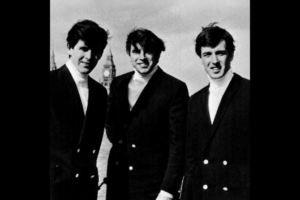
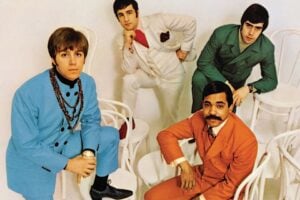
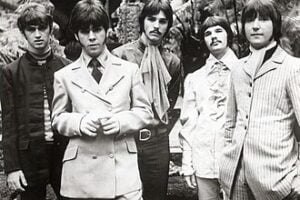
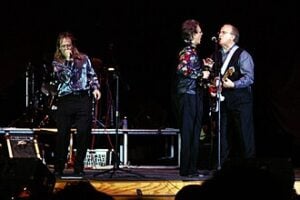
The Buckinghams released “Susan” near the end of 1967, and the single reached number eleven on the Billboard Hot 100. Jim Holvay, Gary Beisbier, and producer James William Guercio share the writing credit. Most of the record is bright Chicago pop, but Guercio dropped an excerpt from Charles Ives’ Central Park in the Dark into the middle without telling the band beforehand. The strange section lasts only a short time, yet it completely changes the character of the song before the pop arrangement returns. Members of the Buckinghams later made it clear that they were not happy with the surprise. That odd collision between a radio single and an avant-garde sound collage is exactly what makes “Susan” memorable.
# 3 – Runaround Sue – Dion

Dion and Ernie Maresca wrote “Runaround Sue,” and Dion released it in 1961 after leaving the Belmonts. The handclaps, group vocals, and driving rhythm keep the record moving while Dion warns everybody about a woman who will break their hearts. It became his first number-one single on the Billboard Hot 100 as a solo artist. Glen Stuart arranged and conducted the session, which still carries plenty of the doo-wop sound Dion had brought from the Bronx. The song helped prove that he could build a major career outside the Belmonts. Few early-1960s records sound this much like a whole room of people joining the chorus.
Read More: Top 10 Dion And The Belmonts Songs
# 2 – Suzie Q – Creedence Clearwater Revival

Dale Hawkins first made “Susie Q” a rockabilly hit in 1957, with Stan Lewis and Eleanor Broadwater also receiving songwriting credit. Creedence Clearwater Revival stretched the song into a long, swampy workout for their self-titled 1968 debut album and spelled the title “Suzie Q.” John Fogerty’s guitar and vocal carry the track while the band lets the groove run far longer than a normal radio single. An edited version became CCR’s first major American hit, reaching number eleven on the Billboard Hot 100. The record arrived before the run of Fogerty originals that would soon make the group one of the biggest bands in the country. “Suzie Q” was the bridge between their bar-band roots and everything that followed.
Read More: Creedence Clearwater Revival’s Best Song On Each Studio Album
# 1 – Peggy Sue – Buddy Holly

Buddy Holly released “Peggy Sue” in 1957, and the single became one of the records that defined his short career. Holly, drummer Jerry Allison, and producer Norman Petty share the songwriting credit. The song had originally been called “Cindy Lou” before Allison suggested the name Peggy Sue, after Peggy Sue Gerron, who later became his wife. Allison’s rolling drum pattern is almost as important to the record as Holly’s vocal and guitar. “Peggy Sue” reached number three on Billboard’s pop chart and number six in the United Kingdom. Its rhythm, guitar sound, and vocal phrasing helped write the vocabulary that countless rock bands would use after Holly was gone.
Read More: Top 10 Buddy Holly Songs
Updated September 13, 2026.
Top 10 Songs With The Name “Susan” In The Title article published on ClassicRockHistory.com © 2026