Feature Photo: Geoffrey Clowes / Shutterstock.com
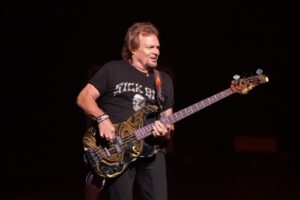
Michael Anthony’s 11 Best Van Halen Backing Vocal Tracks offers an in-depth look at one of rock’s most unsung heroes. Often overshadowed by the legendary guitar riffs of Eddie Van Halen and the charismatic frontmen David Lee Roth and Sammy Hagar, Michael Anthony’s high-pitched, harmonically rich backing vocals became a core element of Van Halen’s signature sound. In crafting this article, we chose one track from each of Van Halen’s first eleven studio albums, moving chronologically from the band’s explosive debut in 1978 through the David Lee Roth years, into the Sammy Hagar era, and culminating with Van Halen III, which featured Gary Cherone on lead vocals. This approach illuminates how Anthony’s contributions evolved and adapted to each vocalist’s distinct style, cementing his place as an irreplaceable presence in the band.
This list underscores how Anthony’s harmonies and bass playing were integral to Van Halen’s success. From the raw power of “Runnin’ with the Devil” to the polished harmonies of “Finish What Ya Started” and the grit of “Amsterdam,” Anthony’s backing vocals lend depth and energy, transforming each song into a powerful experience. His harmonies were not mere embellishments—they were essential to the band’s dynamic, layering rich textures behind Roth’s playful swagger and Hagar’s powerhouse vocals. These tracks show how seamlessly Anthony blended with each frontman’s style, adapting to different eras while keeping Van Halen’s sound cohesive and unmistakably unique.
In exploring each track, we see the range and versatility of Anthony’s vocal contributions, whether he’s singing counter-melodies or injecting bursts of intensity that elevate the chorus. His voice adds a sense of unity, bridging the band’s different lineups and showcasing his invaluable presence. Ultimately, this article not only honors Anthony’s vocal talents but also reminds us of his irreplaceable role in shaping Van Halen’s identity across decades, solidifying his legacy as one of rock’s most talented and underrated backing vocalists.
Runnin’ with the Devil – Van Halen


In “Runnin’ with the Devil,” Michael Anthony’s unmistakable backing vocals were presented to many fans for the first time when Van Halen’s debut album arrived in 1978. Recorded at Sunset Sound Recorders in Hollywood with producer Ted Templeman, “Runnin’ with the Devil” showcased a sound that was both heavy and melodic, making it a game-changer in rock music. With David Lee Roth on lead vocals, Eddie Van Halen on guitar, Alex Van Halen on drums, and Anthony on bass, this lineup brought an unmatched intensity to the recording, with Anthony’s high-pitched harmonies playing a crucial role in the mix.
Anthony’s vocal presence on “Runnin’ with the Devil” amplifies the song’s rebellious energy, contrasting Roth’s lead with his soaring, high-register harmonies that cut through the band’s powerful instrumental backdrop. His backing vocals are most evident in the chorus, where his voice layers with Roth’s to create a haunting effect. The line “Runnin’ with the devil” is propelled by Anthony’s vocal energy, adding an almost anthemic feel to the song’s message of defiance and adventure. His harmonies bring a bright yet edgy dynamic that became emblematic of the Van Halen sound, setting the tone for the band’s future releases with Roth and later with Sammy Hagar.
Lyrically, “Runnin’ with the Devil” speaks to themes of freedom and recklessness, but Anthony’s vocal delivery enhances the song’s sense of urgency and rebellion. While Roth’s voice commands attention, Anthony’s harmonies deepen the emotional intensity, giving the impression of a rallying cry.
“Runnin’ with the Devil” helped establish Anthony as one of rock’s most distinctive backing vocalists, creating a sound that was as melodic as it was powerful. His harmonies, rich with intensity and emotion, are essential to this track’s enduring legacy and set a high bar for the other backing vocal performances highlighted in this list. His high-pitched, resonant voice not only amplified Roth’s lead but also brought a unique blend of aggression and harmony, making this song a landmark moment in Van Halen’s early career.
Dance The Night Away – Van Halen II


In “Dance the Night Away” from Van Halen II, Michael Anthony’s backing vocals contribute significantly to the song’s upbeat, infectious sound, enhancing its appeal as one of Van Halen’s most radio-friendly tracks. Released in 1979, Van Halen II marked the band’s follow-up to their successful debut, and “Dance the Night Away” became the album’s breakout hit. Recorded at Sunset Sound Recorders in Los Angeles and produced by Ted Templeman, the song was a departure from the heavier side of their debut, showcasing a more melodic, almost pop-oriented side of the band. With Eddie Van Halen’s shimmering guitar riff and Roth’s charismatic lead vocals, Anthony’s high harmonies provided a key ingredient that helped make the song both memorable and commercially successful.
Anthony’s backing vocals on this track are particularly effective in lifting the chorus, giving it a buoyant, celebratory feel. His harmonies add texture and brightness to Roth’s lead, creating a full, layered sound that plays off the upbeat rhythm of Alex Van Halen’s drums and Eddie’s rhythmic guitar work. As a vocalist, Anthony’s ability to blend seamlessly with Roth while adding his distinct tone became a hallmark of Van Halen’s sound, evident in the chorus, where his voice enriches the song’s infectious hook. His backing vocals lend the track an undeniable energy, turning it into an anthem of feel-good rock and making it one of the band’s most iconic songs.
Lyrically, “Dance the Night Away” does not dive into complex themes but instead captures the essence of youthful celebration. Anthony’s vocal performance amplifies this spirit, providing a buoyant backdrop that supports Roth’s playful lyrics and charismatic delivery. The chorus, powered by Anthony’s harmonies, creates a layered effect that stands out as one of the defining features of the song. Compared to the darker, edgier tone of “Runnin’ with the Devil,” Anthony’s vocals on “Dance the Night Away” are lighter and more exuberant, reflecting the band’s versatility and ability to switch moods between albums.
In “Dance the Night Away,” Michael Anthony’s vocal work is essential to the song’s lasting appeal. His harmonies bring depth and brightness to the track, cementing it as one of Van Halen’s definitive early hits. The song’s success further highlighted the crucial role Anthony’s voice played in shaping Van Halen’s sound, proving that his backing vocals were as much a part of the band’s identity as their innovative guitar riffs and high-energy performances.
Fools – Women and Children First
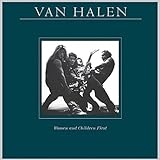

On “Fools,” a standout track from Van Halen’s 1980 album Women and Children First, Michael Anthony’s backing vocals bring an atmospheric intensity that complements the darker, edgier direction of this record. Women and Children First, recorded at Sunset Sound Recorders in Los Angeles and produced by Ted Templeman, marked a turning point for Van Halen, as it was their first album to include all original material. “Fools” embodies a grittier, blues-driven approach, and Anthony’s vocal contributions play an integral role in amplifying its boldness and mood.
Anthony’s high harmonies, particularly during the song’s chorus and bridge, create a tension and fullness that contrasts with Roth’s swaggering lead. His backing vocals here are less polished than on previous tracks, intentionally leaning into the gritty sound that defined Women and Children First. In the line “I live with fools,” Anthony’s harmonies add a haunting texture, giving the phrase a sense of resignation that aligns with the song’s reflective yet rebellious tone. His ability to provide both power and nuance in the background reinforces his unique role in the band’s sound, which was moving toward a more unfiltered rock expression.
Lyrically, “Fools” explores themes of defiance and frustration, with Roth delivering lines that address the struggles and challenges of standing out in a conformist world. Anthony’s vocal layering enhances the rawness of the lyrics, adding a sense of weight and urgency that intensifies the track’s rebellious spirit. Unlike the buoyant harmonies in “Dance the Night Away,” Anthony’s vocals in “Fools” underscore the darker, more introspective side of Van Halen’s repertoire. His voice lends the song an edge, reinforcing the rebellious atmosphere and aligning with Eddie Van Halen’s ferocious guitar work.
In “Fools,” Michael Anthony’s backing vocals are a crucial element of the song’s impact. By complementing the song’s heavier riffs and darker tone, Anthony’s harmonies elevate the track, adding depth and intensity that highlight the band’s evolving sound. His performance on “Fools” solidifies his role as a versatile vocalist capable of adapting his style to fit the mood of each song, making him an indispensable part of Van Halen’s distinctive voice and direction during this pivotal period in their career.
Unchained – Fair Warning


On “Unchained,” one of Van Halen’s most electrifying tracks from their 1981 album Fair Warning, Michael Anthony’s powerful backing vocals contribute to the song’s explosive energy and iconic sound. Anthony sings in a bit of a lower register on this one, fully complementing what Roth is doing in the chorus. Recorded at Sunset Sound Recorders in Los Angeles and produced by Ted Templeman, Fair Warning took on a darker, heavier tone compared to the band’s previous albums.
Anthony’s backing vocals in “Unchained” provide an essential counterbalance to Roth’s bold lead, amplifying the song’s anthemic quality, especially in the chorus. His harmonies blend seamlessly with Roth’s voice, adding a layer of intensity that gives the chorus its iconic punch. As the song’s pace builds, Anthony’s harmonies infuse the track with a rousing, sing-along quality, which became a staple in the band’s live performances and helped solidify “Unchained” as a fan favorite.
The song’s lyrics, exploring themes of defiance and freedom, are emphasized by Anthony’s backing vocals, which reinforce the track’s sense of liberation and raw power. In the bridge, his voice complements Eddie Van Halen’s heavy, chugging guitar riffs, enhancing the track’s high-octane feel. Unlike the more layered harmonies on previous tracks like “Dance the Night Away,” Anthony’s backing vocals here are direct and gritty, in line with the album’s darker tone. His contributions add to the song’s attitude while the band’s collective energy drives the track forward with relentless force.
“Unchained” stands out as a quintessential Van Halen track, in large part due to Anthony’s contributions, which helped define the band’s signature vocal style. His harmonies reinforce the song’s intensity, offering a raw yet polished sound that complements Eddie Van Halen’s unforgettable riff and Roth’s swaggering vocals. Through his performance on “Unchained,” Anthony once again proves the power of his backing vocals, solidifying his role in creating the unmistakable energy that Van Halen brought to rock music.
Dancing In The Street – Diver Down
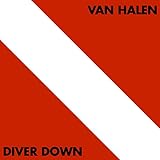

On Van Halen’s 1982 cover of “Dancing in the Street” from the album Diver Down, Michael Anthony’s vocal contributions are as essential as ever, bringing a layered richness that elevates this Motown classic into a rock powerhouse. Recorded at Sunset Sound Recorders in Los Angeles and produced by Ted Templeman, the track showcases not only Anthony’s signature high-pitched backing vocals but also his ability to deliver counter lines and harmonies that amplify the song’s infectious energy. Van Halen’s rendition is a far cry from the original, with Anthony’s voice playing a significant role in making it distinctly their own.
In the chorus, Anthony does not just provide background harmonies—he sings prominent counter lines that give the track an exciting call-and-response dynamic. His “oohs” and “ahhs” add a textural depth, blending with David Lee Roth’s lead in a way that is both playful and powerful. The way his vocals intertwine with Roth’s creates a sense of movement and rhythm that propels the track, keeping it lively and adding layers that make it more than a straightforward cover. Anthony’s harmonies complement Eddie Van Halen’s synth line, enriching the melody and reinforcing the song’s celebratory vibe.
Anthony’s vocal presence on “Dancing in the Street” underscores his role as a vital contributor to Van Halen’s sound. His enthusiastic delivery of the counter melodies adds a sense of fun and spontaneity, embodying the spirit of the original tune while imbuing it with Van Halen’s unmistakable edge. Compared to previous tracks like “Unchained,” where Anthony’s vocals emphasized power and intensity, his approach here leans into the upbeat, danceable qualities of the song, proving his versatility and adaptability as a vocalist.
“Dancing in the Street” would not have the same dynamic impact without Anthony’s vibrant vocal work. His harmonies and counter lines give the song a unique dimension, highlighting his integral role in Van Halen’s ability to transform covers into distinct, high-energy rock anthems.
Panama – 1984


Michael Anthony’s backing vocals on “Panama” from Van Halen’s 1984 album are among his most iconic contributions to the band’s catalog, blending seamlessly yet powerfully with David Lee Roth’s lead. Recorded at the band’s 5150 Studios, 1984 marked the peak of Van Halen’s early success and showcased Anthony’s high-octane vocal abilities as a crucial element of the band’s signature sound. On “Panama,” Anthony’s backing vocals carry an almost lead-level prominence, adding a gritty yet polished layer that lifts the song to anthem status.
In the chorus, Anthony’s harmonies blend tightly with Roth’s vocals, enhancing the energy and bravado that define the track. His signature high pitch, combined with the intensity of his delivery, reinforces the hard-driving, rebellious feel of the song, echoing the revving engine sound effects and Eddie Van Halen’s searing guitar riffs. This level of vocal prominence is especially notable; rather than merely supporting, Anthony’s vocals almost lead the chorus, creating a powerful blend that pushes “Panama” into an unforgettable, high-energy experience. The title becomes a rallying cry, thanks in large part to Anthony’s dynamic contribution.
“Panama” also holds particular significance as one of Anthony’s final studio backing-vocal performances behind David Lee Roth during the band’s original Roth era. With the arrival of Sammy Hagar on the next album, 5150, Anthony shifted to supporting a new vocal style. When Roth returned for A Different Kind of Truth in 2012, Michael Anthony was no longer in the lineup; Wolfgang Van Halen handled bass and backing vocals on that album.
In “Panama,” Anthony’s vocals play a vital role, creating one of the most memorable choruses in rock history and solidifying his place as an essential part of Van Halen’s identity. His harmonies here are not just backing vocals; they are a driving force that adds intensity and unity, making “Panama” a perfect example of how his voice was as much a part of Van Halen’s power as Eddie’s guitar or Roth’s swagger.
Get Up – 5150


The track “Get Up” from Van Halen’s 5150 album marks a new era for the band, featuring the high-powered vocals of Sammy Hagar and an intensified vocal dynamic with Michael Anthony. Recorded during the 5150 sessions and produced by Mick Jones, Donn Landee, and Van Halen at 5150 Studios, the album brought a different dimension to the band’s sound, leaning heavily on Hagar’s vocal power and range, which contrasted sharply with David Lee Roth’s charismatic swagger. Hagar’s ability to hit soaring high notes added a new versatility to Van Halen’s music, and “Get Up” is a prime example of this shift in style.
On “Get Up,” Hagar’s high-energy lead vocals combine with Anthony’s unmistakable harmonies to create a chorus that is both aggressive and uplifting. Anthony’s contributions on this track are exceptional, providing a grounding force to Hagar’s powerhouse leads while adding depth and intensity to the vocal arrangement. The chorus features Anthony’s backing harmonies in full effect, bolstering Hagar’s rapid-fire delivery with a resonance that reinforces the urgency and drive of the song. His harmonies, layered with Hagar’s raw, high-octane vocals, amplify the track’s explosive energy, making it a standout on the album and an essential part of the 5150 sound.
While Hagar brought a new dynamic to Van Halen, Anthony’s harmonies remained the band’s constant. His vocal blend with Hagar became as distinctive as his harmonies with Roth, albeit in a different way. Where Roth’s style leaned into swagger and showmanship, Hagar brought a more direct and forceful tone, with Anthony’s high harmonies adding fullness and texture that balanced the intensity. This partnership gave “Get Up” an anthemic quality, propelling the song to new heights and signaling a fresh chapter in Van Halen’s evolution.
In “Get Up,” the interplay between Hagar and Anthony showcases the versatility and resilience of Van Halen’s sound. Anthony’s backing vocals are an anchor in the midst of the song’s high-energy pace, solidifying his role as an essential part of the band’s evolving identity, no matter who was leading on vocals. Together, Hagar and Anthony created a vocal powerhouse on “Get Up,” capturing the vibrant new energy that would define the band’s sound through the Hagar era.
Finish What Ya Started – OU812


On “Finish What Ya Started” from OU812, Michael Anthony’s backing vocals are front and center, mirroring the collaborative style he brought to “Dancing in the Street” during the David Lee Roth years. Here, Anthony takes on a lead-like role in the chorus, his high, clear harmonies delivering the catchy hook with an unmistakable presence. Sammy Hagar weaves in and out, adding vocal runs that enhance Anthony’s steady delivery, creating a layered effect that is as dynamic as it is engaging. The result is a standout vocal arrangement that gives the song its warm, funky-rock vibe, showcasing a versatile side to Van Halen’s rock repertoire.
Produced by Van Halen and Donn Landee and recorded at 5150 Studios, OU812 marked another evolution in the band’s sound. “Finish What Ya Started” leans away from heavy riffs, embracing a more laid-back, almost acoustic groove. With Eddie Van Halen’s clean guitar riff as the driving force, Anthony’s harmonies elevate the song, keeping it rooted in Van Halen’s signature energy. Anthony’s vocal work on the chorus provides a melodic brightness, adding depth to the track’s easygoing rhythm and proving that his harmonies remained a crucial ingredient even as the band’s style evolved with Hagar.
“Finish What Ya Started” highlights Anthony’s adaptability and skill, underscoring his essential role in both the Roth and Hagar eras. As on “Dancing in the Street,” his harmonies here are far more than mere backing—they serve as a core element that shapes the song’s identity, ensuring Van Halen’s sonic legacy remained vibrant and innovative, no matter who was at the front of the stage.
Right Now – For Unlawful Carnal Knowledge


“Right Now,” from For Unlawful Carnal Knowledge, showcases Michael Anthony’s powerful backing vocals in one of Van Halen’s most anthemic and socially conscious songs. Released in 1991, the song became a defining track for the band, tackling themes of urgency, change, and reflection. Anthony’s harmonies amplify the intensity of the chorus, adding a sense of gravity that complements Sammy Hagar’s earnest delivery. This track marked a shift in Van Halen’s thematic focus, with lyrics addressing broader issues and personal action, making it one of the band’s most thought-provoking songs.
Recorded at 5150 Studios and produced by Andy Johns, Ted Templeman, and Van Halen, For Unlawful Carnal Knowledge found the band embracing a raw, hard-edged sound. “Right Now” exemplifies this with its driving piano riff, played by Eddie Van Halen, which gives the song a distinctive melody. The track’s layered instrumentation is elevated by Anthony’s harmonies, which add texture and depth to the emotionally charged chorus. His vocals do not just support Hagar; they become a core part of the song’s soaring impact, embodying the song’s message of living in the moment.
Lyrically, “Right Now” calls for immediate action, emphasizing the importance of seizing the day. Anthony’s harmonies bring a sense of urgency and energy to the chorus. This track stands apart from others on the list as a song that seeks not just to entertain but to inspire listeners to think critically about their lives. Compared to the easygoing harmony of OU812’s “Finish What Ya Started,” “Right Now” takes on a more serious tone, driven by a determined intensity that Anthony’s vocals accentuate.
With its blend of piano-driven rock and meaningful lyrics, “Right Now” became one of Van Halen’s signature tracks and demonstrated the band’s range. Anthony’s backing vocals are instrumental in delivering the song’s weighty message, making it one of his standout performances with Van Halen. As both a musical and lyrical milestone for the band, “Right Now” continues to stand as a testament to Anthony’s role in crafting the unique sound that defined Van Halen’s evolution.
Amsterdam – Balance

“Amsterdam,” from Van Halen’s 1995 album Balance, is a high-energy track that captures the band’s free-spirited essence with a touch of gritty humor. The song explores the infamous allure of Amsterdam, celebrating the city’s atmosphere and indulgences with a sense of unabashed fun. Sammy Hagar’s lyrics reflect the playful chaos of the place, giving fans a glimpse into the band’s more hedonistic side. Michael Anthony’s backing vocals, especially his infectious responses in the chorus, add an extra layer of enjoyment, highlighting his role in elevating Van Halen’s songs with his distinct vocal style.
Produced by Bruce Fairbairn and recorded at 5150 Studios, Balance marked a more mature yet experimental phase for the band, exploring darker themes and heavier sounds. “Amsterdam” stands out as one of the album’s more carefree tracks, delivering a sound that is both hard-hitting and playful. Anthony’s harmonies perfectly complement Hagar’s lead, bringing a lighthearted tone that makes the chorus even more memorable. His ability to inject enthusiasm into the song adds to its appeal, making it one of the standout moments on Balance and a fan favorite during live performances.
Lyrically, “Amsterdam” is all about embracing the freedom and temptations the city offers, with lines that nod to its notorious anything-goes reputation. Anthony’s contributions on the chorus not only support Hagar’s vocals but also add a celebratory feel that captures the band’s adventurous spirit. This approach contrasts with the introspective themes of tracks like “Right Now” from For Unlawful Carnal Knowledge, showing the band’s versatility in shifting from serious messages to pure rock escapism. Anthony’s backing vocals here are an integral part of the song’s upbeat, rebellious tone.
“Amsterdam” showcases the chemistry between the band members, particularly the dynamic between Hagar and Anthony. Their vocal interplay adds an irresistible fun factor to the song, making it a quintessential example of Van Halen’s ability to create rock anthems that resonate with energy and enthusiasm. Anthony’s performance on this track reinforces his reputation as one of rock’s most essential backing vocalists, and his harmonies help make “Amsterdam” a unique and unforgettable entry in Van Halen’s catalog.
One I Want – Van Halen III


Van Halen III introduced Gary Cherone as Van Halen’s third lead vocalist and represented an experimental chapter in the band’s history. It would also become the last Van Halen studio album to feature Michael Anthony. Although Eddie Van Halen handled much of the bass work on the album, Anthony played bass on “Without You,” “One I Want,” and “Fire in the Hole” and continued to contribute backing vocals. His signature harmonies, though somewhat less prominent on this album, still add a familiar touch, especially on “One I Want.”
Produced by Mike Post and Eddie Van Halen and recorded at 5150 Studios, Van Halen III ventured into new stylistic territory for the band, experimenting with more complex arrangements and diverse songwriting approaches. On “One I Want,” Anthony’s backing vocals emerge during the chorus, adding a dimension that is instantly recognizable to Van Halen fans. While his contributions may not be as pronounced as they were on earlier albums, his harmonies still bring a layer of continuity, bridging the sound of Van Halen’s past with this unique iteration of the band.
Lyrically, “One I Want” reflects Cherone’s more introspective writing style, marking a shift from some of the more straightforward lyrical themes of previous albums. Anthony’s harmonies underscore Cherone’s vocal lines, adding texture to the song’s refrain and giving fans a touch of the classic Van Halen harmony that made their sound iconic. This restrained use of Anthony’s voice contrasts with tracks like “Panama” from 1984, where his backing vocals were front and center. Here, his presence is more understated but still recognizable.
Following Van Halen III, Michael Anthony went on to work alongside Sammy Hagar in projects including Chickenfoot and The Circle, maintaining the vocal partnership that fans loved. “One I Want” serves as a unique chapter in Van Halen’s history and as a final studio-era example of Anthony’s contributions to the band. His backing vocals on this track remind listeners of his pivotal role in shaping the Van Halen sound.
Updated September 13, 2026.
Michael Anthony’s 11 Best Van Halen Backing Vocal Tracks article published on ClassicRockHistory.com © 2026