

Frank Zappa – Photo: John Tabacco ©1980
Frank Zappa’s guitar soloing was unique in the annals of 20th-century rock music. His odd grouping of rhythms, specific modal approach (incorporating blues with Bulgarian scales while playing over a two-chord vamp), and the timbre of his sound are pretty recognizable. Many of his greatest guitar solos (sound sculptures, as he would call them) were captured in a live concert setting. Classics like Black Napkins, the solo in the fusiony Inca Roads, the synchrony solos on the Joe’s Garage album, and of course the Shut Up And Play Yer Guitar series, to name a few, demonstrate his axe artistry.
This selection focuses only on his soloing captured in the recording studio. In this context, Frank Zappa had total control over the sound, which gave him more timbre choices and, of course, any flubbed notes were easily fixed. Nonetheless, the solos below are exciting and add to the already top-notch compositions and the performances of his ever-changing band lineup. In no particular order:
Uncle Meat Variations

Uncle Meat, released in 1969, featured many of Frank Zappa’s most well-known melodies, including but not limited to Uncle Meat, Cruising For Burgers, Dog Breath, Mr. Green Genes, and King Kong. In this variation of the Uncle Meat theme, the outro features a funky, bluesy, memorable guitar solo. The sound of which is pretty clean, uncharacteristic of most of FZ’s snarling sound sculptures.
Out To Get You

In 1977, Frank Zappa took on the task of producing a record by one of the biggest rock groups at the time, Grand Funk. The album is called Good Singin’ Good Playin’. Besides producing the group and mixing the album, Frank Zappa also played guitar. This particular piece had Grand Funk guitarist Mark Farner stumped about how to fill out the track. He asked Frank Zappa for some help, and Frank Zappa obliged. The solo features Frank Zappa employing interesting skips and slides in the melody, catchy repeated phrases, and gnarled passages, giving this energetic instrumental just the right amount of masculine spice.
Montana

Frank Zappa’s 1973 album Overnight Sensation became one of his most commercially successful and featured many classic numbers that became staples of mid-1970s FM radio and concert favorites. Montana fits in that category. Its unique lyrics about overseeing the growth of dental floss are bizarre for sure but the music supports it well. The low-key electric guitar solo in this work is funky and melodic. The rhythmic structure is refined, and Frank Zappa’s guitar influences, i.e., Johnny Guitar Watson, can be felt throughout.
Blessed Relief

There are only a few Frank Zappa recordings that feature Frank Zappa on acoustic guitar / acoustic electric. Ones that come to mind: Sleep Dirt, Stink-Foot, My Guitar Wants To Kill Your Mama, 9 Types of Industrial Pollution, and this one, Blessed Relief from 1972’s big band excursion The Grand Wazoo. Tasty and fluid, this solo twirls around the breezy arrangement, bouncing off the great support of Ansley Dunbar on drums and George Duke on Fender Rhodes. FZ uses the wah–wah to great effect her,e sounding at times like a playful monkey.
RDNZL
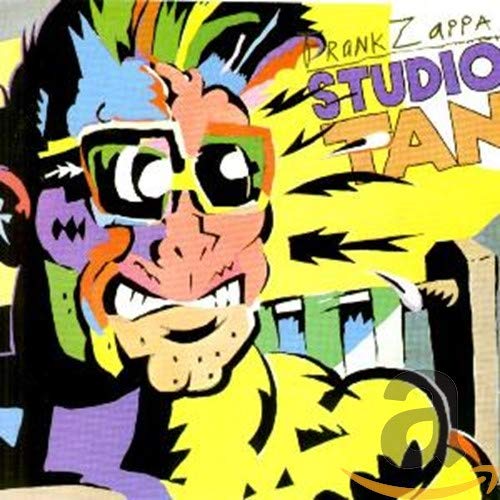
There are a number of excellent renditions of this complex masterwork in Frank Zappa’s catalog. This is the second studio version as it appears on the epic 1979 album Studio Tan. The solo is an exciting excursion into the jazz/ rock genre. Once again, Frank Zappa plays off the expert support of Chester Thompson on drums and the late great George Duke on piano.
Sleep Dirt

The title track from the 1979 Sleep Dirt release is a singular miniature masterpiece guitar duet in the Frank Zappa catalog. FZ starts the piece off by saying “Arf” followed by a beautiful B minor chord progression played by James “Bird Legs” Youman. Youman stumbles a bit at 3:21 minutes and stops. FZ says, “Getting’ tired?” Youman replies, “No, ah ah. My fingers got stuck.” It’s a strange bit of levity after such a serious acoustic workout. The recording in and of itself is interesting. Frank Zappa’s guitar is very close-mic’ed in stereo and compressed, picking up the finger noises that add to the overall personal timbre of the piece.
Alien Orifice

Released on the 1985 CD Frank Zappa Meets The Mothers Of Prevention, this is a complex composition whose main melody is a three-note motive that modulates under a constantly changing harmonic structure. Zappa zings into a fiery solo right after a fast passage of notes expertly negotiating the constantly changing extended chords.
The Ocean Is The Ultimate Solution
This edited thirteen-minute work from 1979’s Sleep Dirt album is epic. The piece starts off with a funky groove between Zappa and Terry Bozzio on drums. The guitar used, according to Bozzio, was a Fender 12 String not in standard tuning, with low and high strings discreetly panned left and right. It’s a unique sound in the Zappa catalog. After around five and a half minutes, Zappa overdubs some smoking electric guitar, and upright bass player Patrick O’Hearn enters and fills out the jam. According to legend, unknowingly, this was Patrick O’Hearn’s audition to play in Zappa’s stripped-down 1977 band. Zappa wails in his typical frantic style, playing all over the fretboard, bringing it to a conclusion that sounds thought out. It’s a wild ride.
Transylvania Boogie

Straight out of the 1970’s release, Chunga’s Revenge, this aggressive guitar workout features FZ combining blues with Gypsy-type modes. Ansley Dunbar provides excellent drum support. Note: Transylvania is a region in Eastern Europe, and most European gypsies live there. This is portrayed in the inner gatefold of the album, painted by Cal Shenkel, where a vacuum cleaner dressed in gypsy attire dances with depraved abandon in the night forest, while flying castanets follow her hose!
Waka Jawaka

The title track of Frank Zappa’s first big band excursion was released in 1972. This 12-minute composition features overdubbed trumpets by Sal Marquez and a polyrhythmic drum solo by Ansley Dunbar. Before the drum solo, FZ plays a clean electric solo that flows into the main melody. That follows with a more aggressive guitar passage that has Marquez’s trumpets playing in tandem with Zappa, building to a punchy horn climax. The pacing of where each section comes in is very effective.
Fifty Fifty
This 1973 composition seems to be designed to allow three instruments to take different solos. First is a virtuoso electric violin solo from Jean-Luc Ponty. That is followed by a majestic church organ excursion from George Duke. Zappa plays the last solo which is a gritty, fast, intense workout that builds to a frenzied conclusion leading to the insane screaming vocals of Ricky Lancelotti.
Po-Jama People
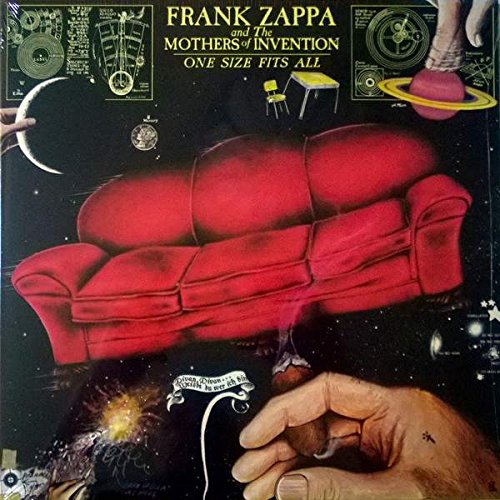
This FM staple from 1975’s masterwork One Size Fits All is a jab at some of Frank Zappa’s more conservative band members, who, after a concert, preferred to go back to the hotel and play chess rather than ruminate at the local disco and get laid. The music, however, is not conservative. The studio interplay between George Duke (piano), Chester Thomson (drums), Tom Fowler (bass), and Zappa is a real delight for the ears. Musicians’ listening to one another is a magical language and here the jamming really speaks.
Zomby Woof
Frank Zappa has some creepy fun with this bizarre rock song found on 1973’s Overnight Sensation. The solo is mysterious and jagged, employing many of FZ’s idiosyncratic techniques. The real treat is the funky key change FZ plays over at 3:22.
Duke Of Prunes
One of Frank Zappa’s earliest compositions was first heard in 1967 on the album Absolutely Free. In 1975, he would later re-orchestrate this lovely melody for a small orchestra. Though this orchestral version with Dave Parlato on electric bass and Terry Bozzio on drum set was recorded live in Royce Hall in L.A., the guitar solo was overdubbed in the studio. This is a successful melding of classical and rock, and FZ doesn’t waste a second. The frantic, melodic guitar solo features FZ’s mastery of harmonic feedback later exploited on the compositions Zoot Allures and Filthy Habits.
Son Of Mr. Green Genes
![Hot Rats (50th Anniversary)[6 CD Box Set]](https://m.media-amazon.com/images/I/51ze5lXC8TL._SL500_.jpg)
This is the second-longest track on Frank Zappa’s influential jazz/rock masterpiece, 1969’s Hot Rats. The song first appeared on 1968’s double album, Uncle Meat. The studio band has fun with the catchy melody and lays down a respectable groove over which Zappa plays his balls off. The variations on the basic theme show Zappa as first and foremost a composer who just happens to know how to work a guitar.
Updated February 24, 2026
Frank Zappa’s Greatest Studio Guitar Solos article published on Classic RockHistory.com© 2026
Classicrockhistory.com claims ownership of all its original content and Intellectual property under United States Copyright laws and those of all other foreign countries. No one person, business, or organization is allowed to re-publish any of our original content anywhere on the web or in print without our permission. All photos used are either public domain, Creative Commons photos, or licensed officially from Shutterstock under license with ClassicRockHistory.com. All photo credits have been placed at the end of the article. Album Cover Photos are affiliate links and the property of Amazon and are stored on the Amazon server. Any theft of our content will be met with swift legal action against the infringing websites.

Compiled by John Tabacco







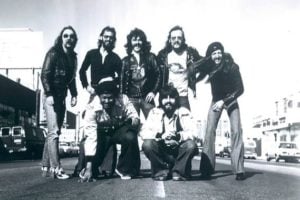





I am still very new to Frank Zappa’s music, so this is an intriguing list to me. Frank’s guitar playing on the 1976 Grand Funk Railroad song “Out To Get You” helped make him perhaps my favorite guitarist. The Grand Funk connection continued when he also played on the 1978 debut album by Flint, which featured Don Brewer, Mel Schacher, and Craig Frost. Frank’s guitar on their song “Better You Than Me” is wicked.