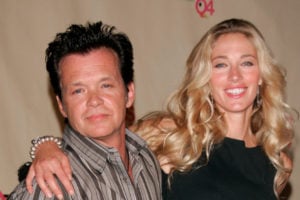
Feature Photo: Kathy Hutchins / Shutterstock.com
Our 10 Favorite Tom Waits Albums list looks back at the career of one of America’s most original songwriters and recording artists. For more than five decades, Waits has moved through folk, jazz, blues, rock, theater music, gospel, cabaret, experimental percussion, and sounds that seem to belong entirely to him. Few artists have resisted convention and commercial expectation as stubbornly as Tom Waits.
Waits has often been discussed alongside Leonard Cohen, Lou Reed, Bruce Springsteen, and Bob Dylan. Yet the comparisons only go so far. His narrators inhabit diners, cheap hotels, bars, freight yards, back roads, theaters, prisons, and imagined cities populated by drifters, dreamers, criminals, lovers, and lost souls.
Tom Waits released seventeen studio albums between Closing Time in 1973 and Bad as Me in 2011. His catalog also includes soundtracks, live albums, compilations, theatrical works, and the vast three-disc collection Orphans: Brawlers, Bawlers & Bastards. Choosing only ten records from that body of work is difficult because nearly every phase of his career offers something essential.
The ranking below favors albums that best represent Waits’ evolution as a songwriter, singer, producer, storyteller, and designer of sound. These are our ten favorite Tom Waits albums.
# 10 – Heartattack and Vine


Released: September 1980
Heartattack and Vine was Waits’ seventh studio album and his final studio release for Asylum Records. The record closes the first major chapter of his career, bringing together the barroom ballads, blues, jazz, and increasingly aggressive rock arrangements he had developed throughout the 1970s.
The title track is built on a hard electric-blues groove, while “Jersey Girl” became one of Waits’ most enduring love songs. “Downtown,” “Mr. Siegal,” and “On the Nickel” reveal the record’s range, moving from menace and dark humor to tenderness. The album stands at an important crossroads: recognizably connected to the earlier Tom Waits, yet already pointing toward the harsher textures and stranger characters that would soon transform his music.
Waits would follow the album with the soundtrack to One from the Heart before beginning a new recording era with Island Records. In that sense, Heartattack and Vine feels like both a culmination and a farewell to the sound that had defined his Asylum years.
Tom Waits would never abandon the blues or the ballad, but he would soon rebuild both forms inside a far more experimental musical language.
Tracks worth revisiting: “Heartattack and Vine,” “Jersey Girl,” and “Downtown.”
# 9 – The Black Rider


Released: September 1993
The Black Rider grew from the avant-garde musical created by director Robert Wilson, writer William S. Burroughs, and Tom Waits. The production drew on the German folktale that also inspired Carl Maria von Weber’s opera Der Freischütz, following a desperate marksman who makes a supernatural bargain.
The album is theatrical, sinister, comic, and deeply atmospheric. Waits uses wheezing horns, skeletal percussion, cabaret piano, strings, and unusual voices to create a world that feels like a broken carnival operating after midnight. The twenty-track sequence moves through songs, instrumentals, dialogue, and character pieces without losing its sense of narrative momentum.
Waits had already written music for film and theater, but The Black Rider demonstrates how completely those dramatic instincts could shape an album. Songs such as “November,” “I’ll Shoot the Moon,” “Lucky Day,” and “Just the Right Bullets” can stand independently, yet they gain additional power inside the record’s haunted landscape. Tom Waits sounds less like a conventional singer than a company of actors passing through the same nightmare.
Tracks worth revisiting: “Lucky Day,” “I’ll Shoot the Moon,” and “Just the Right Bullets.”
# 8 – Small Change


Released: September 1976
Small Change was Waits’ fourth studio album and the early masterpiece of his Asylum period. Working with producer Bones Howe and a jazz trio featuring saxophonist Lew Tabackin, bassist Jim Hughart, and drummer Shelly Manne, Waits found an ideal setting for his increasingly weathered voice and nocturnal storytelling.
The record sounds as though it belongs in a nearly empty lounge at three in the morning. “Tom Traubert’s Blues” opens with devastating loneliness, “Step Right Up” turns advertising language into rapid-fire theater, and “The Piano Has Been Drinking (Not Me)” transforms a failing barroom into a surreal cast of characters.
Waits balances old song forms with contemporary street language throughout the album. References to traditional ballads, New Orleans music, beat poetry, jazz, and American popular culture become part of one coherent voice. The result strengthened Tom Waits’ reputation as one of the defining songwriters of the 1970s.
Tracks worth revisiting: “Tom Traubert’s Blues,” “I Wish I Was in New Orleans,” and “The Piano Has Been Drinking (Not Me).”
# 7 – Bad as Me


Released: October 2011
Bad as Me is Tom Waits’ seventeenth studio album. Written and produced with Kathleen Brennan, it compresses many of the sounds he had explored across four decades into a focused collection of blues, ballads, rockabilly, gospel, and experimental rock.
The album moves with remarkable energy. “Chicago” opens with horns and frantic momentum, “Raised Right Men” lurches through a crooked groove, “Back in the Crowd” offers a beautifully restrained ballad, and “Hell Broke Luce” becomes a terrifying military march. Waits shifts voices and characters from song to song without making the record feel scattered.
The closing “New Year’s Eve” incorporates “Auld Lang Syne” into a weary communal farewell. The combination of tenderness and noise makes Bad as Me a powerful demonstration that Waits’ imagination had lost none of its intensity. The album became his first release to enter the Top 10 of the Billboard 200.
Tracks worth revisiting: “Face to the Highway,” “Satisfied,” and “Hell Broke Luce.”
# 6 – Blue Valentine


Released: September 1978
Blue Valentine is one of the darkest and most sharply written records in Tom Waits’ Asylum catalog. By this point, the soft voice heard on his debut had developed into the cracked, theatrical instrument that would become central to his identity.
The album opens with Waits’ interpretation of “Somewhere” from West Side Story, immediately establishing the tension between romance and ruin that runs through the record. On songs such as “Romeo Is Bleeding,” “Whistlin’ Past the Graveyard,” “Wrong Side of the Road,” and “A Sweet Little Bullet from a Pretty Blue Gun,” Waits delivers stories with the timing of an actor and the compression of a short-story writer.
The arrangements are economical, using piano, guitar, bass, drums, saxophone, and occasional strings without crowding the words. Waits’ performances often hover between singing and spoken narration, particularly on the long cinematic stories. “Kentucky Avenue” closes the album with one of his most compassionate character portraits. The precision of the writing makes Blue Valentine an essential record in Tom Waits’ catalog.
Tracks worth revisiting: “Somewhere,” “Romeo Is Bleeding,” and “Kentucky Avenue.”
# 5 – Orphans: Brawlers, Bawlers & Bastards
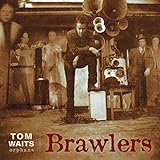


Released: November 2006
Orphans: Brawlers, Bawlers & Bastards is a fifty-six-song, three-disc collection rather than a conventional studio album, but it is too substantial to exclude from a ranking of Waits’ finest releases. Each disc follows a different idea. Brawlers emphasizes blues, rock, gospel, and hard rhythmic performances. Bawlers gathers ballads and laments. Bastards moves through experimental pieces, spoken stories, unusual covers, and comic disturbances.
Waits and Kathleen Brennan assembled previously unreleased recordings alongside soundtrack contributions, alternate versions, traditional songs, and interpretations of other writers. A cover of the Ramones song “The Return of Jackie and Judy” can sit near “Goodnight Irene,” while a tender original can be followed by a monologue or a piece of sonic theater.
Despite its size and varied origins, Orphans feels purposeful. It reveals how many different versions of Tom Waits can exist at once: blues shouter, romantic balladeer, storyteller, preacher, actor, sound designer, and collector of old songs. The collection is not a footnote to the studio albums. It is one of the central works in his catalog.
Tracks worth revisiting: “Rains on Me,” “Lie to Me,” and “Little Drop of Poison.”
# 4 – Closing Time


Released: March 1973
Closing Time is a remarkably assured debut. The record introduced Tom Waits as a young songwriter working with folk, country, jazz, and late-night piano ballads. Its arrangements are more polished and conventional than the music he would later make, but the emotional world is already unmistakably his.
“Ol’ ’55,” “I Hope That I Don’t Fall in Love with You,” “Martha,” “Old Shoes,” and “Grapefruit Moon” are written with unusual empathy and economy. Waits sounds far less weathered than he would only a few years later, which gives the album a vulnerability found nowhere else in his catalog.
Producer Jerry Yester placed the songs inside restrained arrangements of piano, acoustic guitar, bass, drums, strings, and occasional trumpet. Although Waits imagined a jazzier record, the singer-songwriter presentation helped the songs reach artists who soon began covering them. The Eagles recorded “Ol’ ’55,” while “Martha” and other songs found new interpreters.
The raw simplicity of the album should not be confused with a lack of sophistication. Waits’ sense of character, place, and regret was already fully developed. From “Rosie” and “Lonely” to “Ice Cream Man,” Waits sounds direct and unguarded. It is the barest version of Tom Waits on record.
Tracks worth revisiting: “Martha,” “Ol’ ’55,” and “Ice Cream Man.”
# 3 – Swordfishtrombones


Released: September 1983
Swordfishtrombones marked one of the most dramatic transformations in modern songwriting. It was Waits’ first album for Island Records and the first album he produced himself. Instead of relying on the familiar piano, saxophone, bass, and drums of his earlier work, he built songs from marimbas, brake drums, pump organs, bowed saw, unusual percussion, distorted guitar, and silence.
The album is commonly viewed as the beginning of a trilogy completed by Rain Dogs and Franks Wild Years. “Underground,” “Shore Leave,” “16 Shells from a Thirty-Ought-Six,” “In the Neighborhood,” and the title track introduced a new Waits universe of soldiers, sailors, runaways, failed businessmen, and haunted towns.
The American musical past appears throughout the record, but never as nostalgia. Blues, folk, field hollers, parlor songs, military rhythms, immigrant music, and carnival sounds are broken apart and rebuilt. “Frank’s Wild Years” is a spoken suburban nightmare, while “Johnsburg, Illinois” is one of the shortest and most tender love songs Waits ever recorded.
Swordfishtrombones did more than change Waits’ sound. It established him as a producer capable of creating an entire environment around each song.
Tracks worth revisiting: “In the Neighborhood,” “Town with No Cheer,” and “Frank’s Wild Years.”
# 2 – Rain Dogs


Released: September 1985
Rain Dogs is the middle album in the trilogy that began with Swordfishtrombones and concluded with Franks Wild Years. It expands the sound of its predecessor into a sprawling portrait of New York streets, docks, apartments, bars, dreams, and displaced people.
No two songs seem to use the same map. “Singapore” sounds like a pirate procession, “Jockey Full of Bourbon” rides a tense Latin groove, “Cemetery Polka” turns family history into a crooked dance, and “Blind Love” becomes a wounded country ballad. The album also contains “Downtown Train,” one of Waits’ most accessible songs, without allowing that pop melody to soften the record around it.
Keith Richards appears on guitar, while Marc Ribot contributes some of the most distinctive playing of his career. The musicians follow Waits through polkas, tangos, blues, folk ballads, gospel, rock, and music that resists any stable category. Waits holds the enormous range together through the consistency of his characters and language.
Rain Dogs is adventurous without becoming remote. Its strangeness is matched by unforgettable melodies and emotional clarity, making it one of the best entry points into Waits’ experimental period.
Tracks worth revisiting: “Hang Down Your Head,” “Big Black Mariah,” and “Cemetery Polka.”
# 1 – Mule Variations


Released: April 1999
Mule Variations brought Tom Waits back after a six-year gap between studio albums and marked his debut for ANTI-. Written and produced with Kathleen Brennan, the record combines the experimental sound design of his Island years with the blues, gospel, folk, and ballad writing that shaped his earliest work.
“Big in Japan” opens with distorted force, while “Hold On” delivers one of Waits’ most direct and enduring melodies. “Get Behind the Mule,” “Cold Water,” and “Filipino Box Spring Hog” push the blues into strange rhythmic territory. “House Where Nobody Lives,” “Georgia Lee,” “Take It with Me,” and “Come On Up to the House” reveal the warmth and compassion at the center of the album.
On Mule Variations, the unusual instrumentation never overshadows the songs. Every clatter, guitar scrape, organ line, and vocal distortion serves the characters and emotional movement. In 1999, Waits synthesized the major elements of his career without repeating himself.
The album won the Grammy Award for Best Contemporary Folk Album and became one of his greatest commercial successes. More importantly, it stands as a monument to Tom Waits’ understanding of American song. Blues, gospel, rural folklore, experimental noise, and classic ballad writing coexist naturally from beginning to end.
Tracks worth revisiting: Every track deserves attention, but “Come On Up to the House,” “Pony,” and “Hold On” offer three excellent entrances into the album.
Tom Waits Studio Albums
Closing Time (1973)
The Heart of Saturday Night (1974)
Nighthawks at the Diner (1975)
Small Change (1976)
Foreign Affairs (1977)
Blue Valentine (1978)
Heartattack and Vine (1980)
Swordfishtrombones (1983)
Rain Dogs (1985)
Franks Wild Years (1987)
Bone Machine (1992)
The Black Rider (1993)
Mule Variations (1999)
Blood Money (2002)
Alice (2002)
Real Gone (2004)
Bad as Me (2011)
Tom Waits Collection Featured in This Ranking
Orphans: Brawlers, Bawlers & Bastards (2006)
Read More: The Heroines in Tom Waits Songs
Updated August 2, 2026.
Our 10 Favorite Tom Waits Albums article published on ClassicRockHistory.com © 2026