Feature Photo: Debby Wong / Shutterstock.com
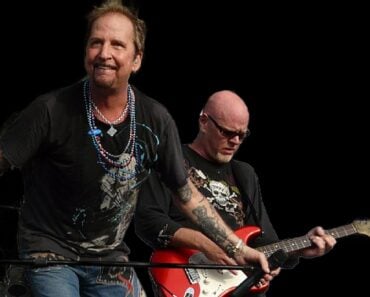
Emerging from Spartanburg, South Carolina, in 1972, the Marshall Tucker Band (MTB) carved out a distinct space in the burgeoning Southern rock scene. Their music, a potent blend of blues, country, and rock, resonated with audiences seeking a sound that celebrated Southern culture and defied mainstream rock conventions.
MTB’s distinctive sound, featuring soaring vocals, intricate guitar work, and the signature flute playing of Jerry Eubanks, established them as pioneers of the genre. Their influence transcended musical boundaries, contributing to the cultural identity of the American South and capturing the spirit of a generation.
While the band never achieved the same level of mainstream success as some of their contemporaries, their impact remains undeniable. Their self-titled debut album, released in 1973, achieved gold certification, establishing them as a force within the Southern rock movement. Their live performances, renowned for their energy and musicianship, further solidified their reputation as a fan favorite.
Throughout their career, MTB released more than 20 studio albums, along with numerous live recordings and compilations. Their sound drew inspiration from Southern rock pioneers like The Allman Brothers Band and Lynyrd Skynyrd, while also incorporating elements of blues and country into their musical tapestry. In turn, they influenced countless artists across genres, with their unique blend of Southern charm and rock and roll energy leaving a lasting legacy on the music industry.
While the band faced challenges, including the tragic deaths of original members Tommy and Toy Caldwell in 1980 and 1993 respectively, the Marshall Tucker Band continues to perform today, carrying the torch of Southern rock for a new generation of music lovers. Their legacy is a testament to the enduring power of regional music, the spirit of the American South, and the enduring appeal of a sound that continues to resonate with audiences worldwide.
Doug Gray
Doug Gray, a founding member of The Marshall Tucker Band, has been the lead vocalist since the band’s inception in Spartanburg, South Carolina, in 1972. His distinctive voice has been a defining element of the band’s sound, contributing to classics like “Can’t You See” and “Heard It in a Love Song.” Over the decades, Gray has remained the constant presence in the band, leading it through various lineup changes and musical eras. Outside of The Marshall Tucker Band, Gray has also released solo work, further showcasing his vocal and musical talents.
Marcus James Henderson
Marcus James Henderson joined The Marshall Tucker Band in 2009, contributing keyboards, saxophone, flute, and backing vocals. His multi-instrumental skills have added depth to the band’s live performances and recordings, maintaining the blend of rock, country, and jazz that the band is known for. Henderson’s tenure with the band has seen him become a vital part of its continued legacy in Southern rock.
Chris Hicks
Chris Hicks joined The Marshall Tucker Band in 1996, bringing his guitar and vocal skills to the group. Hicks has contributed to the band’s sound with his blues and rock-influenced guitar playing and vocals, helping to carry the band’s legacy into the new millennium. Outside of The Marshall Tucker Band, Hicks has pursued solo projects and collaborations, showcasing his versatility as a guitarist and songwriter.
Rick Willis
Rick Willis has been a guitarist for The Marshall Tucker Band since 2009. His work with the band has been characterized by his solid rhythm guitar playing and backing vocals, contributing to the band’s signature mix of rock, blues, and country sounds. Willis’s role in the band has been instrumental in maintaining its distinctive Southern rock flavor through various phases of its career.
Ryan Ware
Ryan Ware joined The Marshall Tucker Band as bassist and vocalist when the band returned to the road in 2021. His bass playing and vocals have helped anchor the group’s current touring lineup alongside Doug Gray, B.B. Borden, Marcus James Henderson, Chris Hicks, and Rick Willis.
Tony Black
Tony Black served as bassist for The Marshall Tucker Band in the late 2010s before Ryan Ware took over the bass chair when the band returned to touring in 2021. His contributions on bass provided a steady groove and foundation for the band’s music, supporting their continued exploration of rock, country, and jazz fusion.
B.B. Borden
B.B. Borden joined The Marshall Tucker Band as drummer in 1997. Known for his energetic and skillful drumming, Borden brought a fresh dynamism to the band’s rhythm section. His background with Mother’s Finest and The Outlaws made him a fitting addition to the band, helping to drive their classic sound forward with new energy.
Jerry Eubanks
Jerry Eubanks was a founding member of The Marshall Tucker Band, contributing flute, saxophone, and keyboards from 1972 until his departure in 1996. Eubanks’s woodwind instruments were a distinctive part of the band’s sound, particularly on hits like “Can’t You See.” After leaving the band, Eubanks stepped away from the spotlight, focusing on his life outside the music industry.
Toy Caldwell
Toy Caldwell was the lead guitarist, main songwriter, and a founding member of The Marshall Tucker Band until his departure in 1984. Caldwell’s guitar work, characterized by his use of the thumb-picking style, was central to the band’s sound. His songwriting on tracks like “Can’t You See” and “Heard It in a Love Song” helped establish The Marshall Tucker Band as a key figure in Southern rock. After leaving the band, Caldwell pursued a solo career until his untimely death in 1993.
George McCorkle
George McCorkle, a founding member of The Marshall Tucker Band, played rhythm guitar from 1972 until 1984. McCorkle’s contributions to the band’s sound included his songwriting, with tracks like “Fire on the Mountain.” After leaving the band, McCorkle continued to write songs and perform, releasing solo work before his passing in 2007.
Paul Riddle
Paul Riddle was the original drummer for The Marshall Tucker Band from its formation in 1972 until the early 1980s. Riddle’s drumming style, which incorporated elements of jazz and rock, was a key component of the band’s early sound. After leaving the band, Riddle remained active in music, teaching, and occasionally performing.
Tommy Caldwell
Tommy Caldwell was the original bassist and a founding member of The Marshall Tucker Band until his tragic death in 1980. Caldwell’s bass playing provided the foundation for the band’s blend of rock, country, and jazz. His backing vocals and songwriting also contributed to the band’s early success.
Franklin Wilkie
Franklin Wilkie replaced Tommy Caldwell on bass in 1980 and remained with The Marshall Tucker Band through 1984. Wilkie contributed to the band’s early-1980s albums and tours, helping to sustain the group through a difficult period of transition.
Stuart Swanlund
Stuart Swanlund joined The Marshall Tucker Band as a guitarist in 1985 and, with interruptions, remained part of the band’s lineup through 2009. Swanlund’s slide guitar work and backing vocals added a new dimension to the band’s sound, contributing to its evolution through the late 20th and early 21st centuries. He passed away in 2012.
Andy Parks
Andy Parks played bass for The Marshall Tucker Band during a transitional period in the late 1980s and early 1990s. Parks’s contributions during this time helped the band navigate through changes in its lineup and musical direction.
Rusty Milner
Rusty Milner served as a guitarist for The Marshall Tucker Band from 1984 to 2003. His tenure included contributions to the band’s recordings and live performances, maintaining its signature Southern rock sound during a long period of change.
Tim Lawter
Tim Lawter played bass for The Marshall Tucker Band from 1987 until 2001. Lawter’s work with the band spanned numerous albums and tours, contributing to its ongoing legacy in rock and country music.
Ronnie Godfrey
Ronnie Godfrey joined The Marshall Tucker Band in 1982 as a keyboardist and vocalist and remained through 1984. His tenure with the band was marked by his soulful playing and contributions to the band’s rich sound, blending rock, country, and jazz elements. Outside of The Marshall Tucker Band, Godfrey had a career as a songwriter and musician, contributing to the Southern rock and country music scenes.
Kenny Mims
Kenny Mims played guitar with The Marshall Tucker Band during the 1984-1985 transition period. He was part of the revamped lineup that toured with Doug Gray and Jerry Eubanks after most of the original members had departed.
Bobby Ogdin
Bobby Ogdin contributed to The Marshall Tucker Band as a keyboardist from 1984 to 1989. Known for his versatile playing, Ogdin added depth to the band’s sound during his time with them. Ogdin’s career outside the band includes session work and touring with notable artists in country and rock music.
Bob Wray
Bob Wray, a bassist, was part of The Marshall Tucker Band during the 1984-1985 transition period. His contributions during this period supported the band’s musical explorations and live performances. Wray is also known for his extensive session work in Nashville, contributing to numerous recordings across various genres.
James Stroud
James Stroud played drums for The Marshall Tucker Band during the 1984-1985 transition period. Stroud’s dynamic drumming style contributed to the band’s rhythm section during a period of change. Beyond his tenure with the band, Stroud has made significant contributions to the music industry as a producer and music executive.
Tom Robb
Tom Robb served as a bassist for The Marshall Tucker Band from 1985 to 1987. Robb’s tenure with the band was part of a broader career as a session musician, where he contributed to a variety of projects in rock, country, and Southern rock genres.
Ace Allen
Ace Allen was associated with The Marshall Tucker Band as a drummer from 1985 to 1992. His time with the band contributed to the continuity of their sound and live performances during an evolving period in the band’s history.
Don Cameron
Don Cameron played keyboards for The Marshall Tucker Band from 1989 to 1992. His keyboard contributions enhanced the band’s live performances and recordings, maintaining the fusion of rock, country, and jazz that the band is known for.
Douglas Waddell
Douglas Waddell’s involvement with The Marshall Tucker Band included contributing his skills as a drummer. His tenure with the band supported their ongoing musical journey, contributing to the live show’s energy and dynamism.
Frank Toler
Frank Toler was a drummer for The Marshall Tucker Band from 1992 to 1994. Toler’s drumming was part of the band’s sound during a period of exploration and growth, contributing to the band’s legacy in Southern rock.
Mark Pettey
Mark Pettey joined The Marshall Tucker Band in the early 1990s as a keyboardist, adding a unique element to the band’s sound. Pettey’s versatility enhanced the band’s live performances and studio recordings, contributing to the band’s blend of rock, country, and jazz.
Ronald Radford
Ronald Radford contributed to The Marshall Tucker Band as a guitarist from 1993 to 1995. His involvement with the band, particularly during live performances, added to the rich tapestry of guitar work that is a hallmark of the band’s sound.
Todd Davis
Todd Davis played keyboards for The Marshall Tucker Band, contributing to the band’s musical arrangements and live performances. Davis’s tenure with the band was marked by his ability to blend rock, country, and jazz influences, enriching the band’s signature sound.
Paul Thompson
Paul Thompson briefly served as a keyboardist for The Marshall Tucker Band in 1994. His contributions added to the band’s musical arrangements during a transitional period.
Garry Guzzardo
Garry Guzzardo served as a drummer for The Marshall Tucker Band from 1994 to 1996. His involvement helped maintain the band’s dynamic live performances and Southern rock sound during the mid-1990s.
David Muse
David Muse joined The Marshall Tucker Band in 1996, contributing flute, saxophone, keyboards, and harmonica. Muse’s multi-instrumental talents added depth and diversity to the band’s sound, continuing the tradition of incorporating a variety of musical influences. He served with the band from 1996 to 2000 and again from 2003 to 2009. Muse passed away in 2022.
Clay Cook
Clay Cook, though better known for his work with the Zac Brown Band and John Mayer, was part of The Marshall Tucker Band in the early 2000s. Cook’s musicianship on keyboards, flute, saxophone, and vocals contributed to the band’s sound during his tenure.
James Harold Brown
James Harold Brown contributed as a guitarist. His time with the band added to its legacy of skilled guitar work, blending rock, country, and jazz elements in their music.
Tony Heatherly
Tony Heatherly played bass for The Marshall Tucker Band from 2001 to 2004. Heatherly’s bass playing provided a solid foundation for the band’s sound, contributing to their live performances and recordings during his tenure.
Pat Elwood
Pat Elwood joined The Marshall Tucker Band as a bassist in 2004 and remained with the group through 2017. His contributions on bass were part of the band’s continued exploration of its signature sound, blending rock, country, and jazz influences.
Benny W. Littlejohn
Benny W. Littlejohn contributed keyboards to The Marshall Tucker Band. His tenure with the band saw him adding to the musical arrangements and live performances, enriching the band’s sound with his keyboard work.
Updated August 10, 2026.
Complete List Of Marshall Tucker Band Members article published on ClassicRockHistory.com © 2026