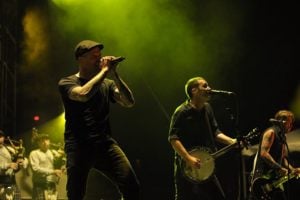
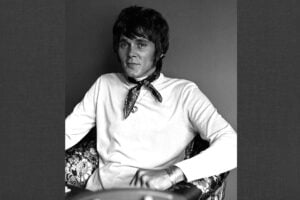
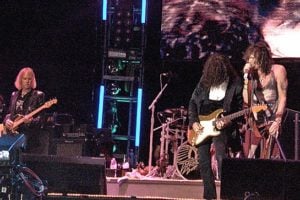
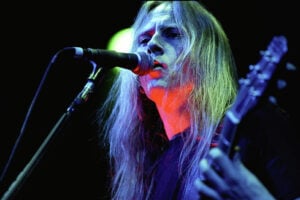
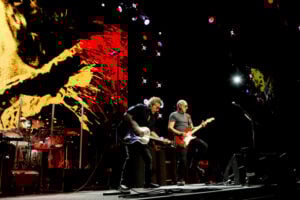
Feature Photo: Concerttour, CC BY-SA 3.0 <https://creativecommons.org/licenses/by-sa/3.0>, via Wikimedia Commons
Adam and the Ants emerged from London’s punk scene in 1977, initially performing at venues like the Roxy Club before evolving into one of the most commercially successful acts of the early 1980s. The band experienced numerous lineup changes throughout its existence, with over a dozen musicians passing through its ranks across various configurations. During their peak years between 1980 and 1982, the group achieved remarkable chart success in the United Kingdom with three studio albums reaching the top ten, including two that claimed the number one position.
The band’s commercial breakthrough arrived with their third studio album, Kings of the Wild Frontier, released in November 1980, which spent twelve weeks at number one on the UK Albums Chart and spawned multiple hit singles. Their follow-up album, Prince Charming, released in November 1981, also reached the top of the charts and produced the title track single that became one of their signature songs. The band officially disbanded in early 1982 after releasing only four studio albums, though Adam Ant continued as a solo artist with backing musicians performing under his name rather than the band moniker.
Throughout their brief but impactful run, Adam and the Ants sold millions of records and received multiple awards, including two Brit Awards in 1982 for Best British Album and Best British Group. The band’s distinctive sound combined post-punk energy with tribal drumming patterns and flamboyant visual presentation that influenced numerous artists in subsequent decades. Despite several reunion performances in later years, the classic lineup that achieved the band’s greatest commercial success never fully reconvened.
Adam Ant
Adam Ant, born Stuart Leslie Goddard, founded Adam and the Ants in April 1977 and served as the band’s frontman, primary songwriter, and creative director throughout its existence. He handled lead vocals and guitar from the band’s inception in 1977 until its dissolution in 1982, also contributing harmonica, piano, and bass on various recordings. As the sole constant member across all lineups, he appeared on every Adam and the Ants release, including the debut album Dirk Wears White Sox in 1979, the breakthrough Kings of the Wild Frontier in 1980, Prince Charming in 1981, and the compilation album that included new material released in 1982.
His contributions to Kings of the Wild Frontier proved particularly significant, as he co-wrote all tracks with guitarist Marco Pirroni and developed the distinctive Burundi beat sound that became the band’s trademark. On Prince Charming, he continued this songwriting partnership while expanding his instrumental contributions to include bass guitar on several tracks after Kevin Mooney’s departure. His theatrical stage presence and elaborately costumed performances became central to the band’s identity, with each album cycle featuring distinct visual themes ranging from Native American imagery to highwayman aesthetics.
Following the band’s breakup in 1982, Adam Ant launched a successful solo career that yielded multiple hit singles including Friend or Foe and Goody Two Shoes, with the latter reaching number one in the United Kingdom. He released nine solo studio albums between 1982 and 2013, with his debut solo effort Friend or Foe achieving platinum certification. Beyond music, he pursued acting with roles in films and television productions, and experienced a career resurgence in the 2010s with reunion tours that saw him performing classic Adam and the Ants material to sold-out audiences worldwide.
Andy Warren
Andy Warren joined Adam and the Ants as bassist at the band’s formation in April 1977 and remained with the group through its early punk phase until his departure in 1979. He appeared on the band’s debut album Dirk Wears White Sox, contributing bass throughout the recording sessions that took place in early 1979 at Roundhouse Studios. His playing style during this period reflected the raw, stripped-down aesthetic of the band’s initial punk sound, which differed dramatically from the more polished, percussion-heavy direction the group would later adopt.
Warren’s tenure with the band encompassed numerous live performances at London punk venues and the recording of early demos that captured the group’s original aggressive approach. He participated in the band’s early television appearances and helped establish their presence within the burgeoning punk scene. His departure coincided with a transitional period for the band, occurring before Malcolm McLaren’s involvement would dramatically reshape their sound and image.
After leaving Adam and the Ants, Warren formed The Monochrome Set, where he continued to play bass and contributed to that band’s post-punk output throughout the early 1980s. He later worked with various other musical projects and remained active in the UK independent music scene for decades following his time with Adam Ant.
Paul Flanagan
Paul Flanagan served as drummer for Adam and the Ants during the band’s initial formation period in 1977, making him one of the original members present at the group’s earliest rehearsals and performances. His tenure with the band proved extremely brief, lasting only a matter of weeks before he departed. Flanagan did not appear on any Adam and the Ants studio recordings, as his time with the group predated their first recording sessions.
His contributions to the band consisted solely of live performances during the group’s formative weeks when they were establishing themselves in London’s punk circuit. The circumstances surrounding his departure remain sparsely documented, though it occurred during a period when the band’s lineup remained highly fluid. He was replaced by Dave Barbarossa, who would provide a more stable presence behind the drum kit for the next three years.
Little information exists regarding Flanagan’s musical career following his brief stint with Adam and the Ants, and he did not achieve notable recognition in the music industry outside of his association with the band’s earliest incarnation.
Lester Square
Lester Square, born Thomas Hardy, joined Adam and the Ants as guitarist in 1977 during the band’s earliest phase, contributing to their initial live performances as they established themselves within London’s punk community. His time with the group lasted only a few months, making him one of several musicians who passed through the band’s ranks during its first year of existence. Square did not participate in any studio recordings with Adam and the Ants, as his departure occurred before the band entered the studio to record their debut material.
During his brief tenure, Square performed at various London venues as the band developed their early punk sound and stage show. His guitar work during this period reflected the aggressive, minimalist approach common to punk bands of the era. The specific reasons for his departure have not been extensively documented, though lineup instability characterized the band’s first year.
After leaving Adam and the Ants, Square went on to form The Monochrome Set alongside Andy Warren, where he served as guitarist and became a core member of that post-punk group. He remained with The Monochrome Set for many years, appearing on multiple albums and contributing significantly to their distinctive sound, achieving greater longevity and recognition with that project than during his brief time with Adam Ant.
Mark Ryan
Mark Ryan joined Adam and the Ants as guitarist in 1977 during the band’s formative months, becoming one of several musicians who briefly held the guitar position during the group’s turbulent first year. His tenure lasted only a short period, and like several other early members, he departed before the band achieved any commercial success or entered a recording studio. Ryan did not appear on any Adam and the Ants recordings, with his contributions limited to live performances during the band’s establishment phase in the London punk scene.
The specifics of Ryan’s playing style and his particular contributions to the band’s early development remain minimally documented, as his time with the group occurred before they attracted significant media attention or documentation. His departure was part of the frequent personnel changes that characterized Adam and the Ants throughout 1977 as Adam Ant searched for the right combination of musicians to realize his artistic vision.
Following his time with Adam and the Ants, Ryan did not achieve notable recognition in the music industry, and details about his subsequent musical endeavors remain scarce. He passed away in 2011, though circumstances surrounding his death and his activities in the decades following his brief stint with the band have not been widely reported.
Dave Barbarossa
Dave Barbarossa, also known as Dave Barbe, joined Adam and the Ants as drummer in 1977, replacing Paul Flanagan and providing the band with greater rhythmic stability during their crucial development period. He remained with the group until 1980, appearing on their debut album Dirk Wears White Sox, which was recorded in early 1979 and released later that year. His drumming on that album provided the foundation for the band’s dark, angular post-punk sound that characterized their early work, contributing to tracks that showcased a stark contrast to their later commercial direction.
Barbarossa’s time with the band encompassed extensive touring throughout the UK punk circuit and the recording of numerous demos that captured the group’s evolution from raw punk to a more sophisticated post-punk sound. He participated in the band’s growing profile within the alternative music scene and appeared in early promotional materials and performances. His departure in 1980 occurred under dramatic circumstances when Malcolm McLaren persuaded him, along with Matthew Ashman and Leigh Gorman, to leave Adam and the Ants and form a new group, which became Bow Wow Wow.
After departing Adam and the Ants, Barbarossa became the drummer for Bow Wow Wow, where he contributed to that band’s debut recordings and helped establish their distinctive sound that incorporated similar tribal rhythms to what would soon characterize the reformed Adam and the Ants. He later worked with various other musical projects and continued to perform professionally, maintaining a career in music that extended well beyond his early work with both Adam Ant and Bow Wow Wow.
Jordan
Jordan, born Pamela Rooke, joined Adam and the Ants as a vocalist in 1977 and remained with the band until 1978, making her one of the few female members to ever participate in the group’s lineup. She contributed backing vocals to early performances and helped shape the band’s provocative image during their initial punk phase, though she did not appear on any official studio albums released during the band’s existence. Her involvement with the group came during a period when Adam Ant was experimenting with various configurations and exploring different theatrical approaches to performance.
Jordan’s contributions to Adam and the Ants extended beyond musical performance to include significant input on the band’s visual presentation and confrontational stage aesthetic. She had already established herself as a prominent figure in the London punk scene through her work at Vivienne Westwood and Malcolm McLaren’s SEX boutique, where her striking appearance and fashion sense made her a recognizable personality. Her time with the band coincided with their early live performances at venues throughout London, where her presence added an additional layer of shock value to their shows.
Following her departure from Adam and the Ants in 1978, Jordan pursued various creative endeavors including acting, modeling, and animal rights activism. She appeared in the punk documentary film The Great Rock and Roll Swindle and maintained connections to the fashion industry throughout her life. Jordan became a respected figure in discussions of punk history and culture, giving interviews and appearing in documentaries about the era until her death in 2022.
Johnny Bivouac
Johnny Bivouac, born John Keogh, served as guitarist for Adam and the Ants from 1977 to 1978, contributing to the band during their early developmental phase as they established themselves within London’s punk underground. He appeared on the band’s debut album Dirk Wears White Sox, which was recorded in early 1979 during the final months of his tenure with the group. His guitar work on that album contributed to the angular, abrasive sound that characterized the record, though specific individual contributions remain difficult to isolate given the band’s collaborative recording approach during that period.
Bivouac’s playing style during his time with Adam and the Ants reflected the minimalist, aggressive aesthetics common to punk guitarists of the late 1970s, and he participated in numerous live performances as the band built their following. He was present during a formative period when Adam Ant was developing the theatrical and transgressive elements that would later become central to the band’s identity, though in a rawer form than would eventually achieve commercial success. His departure in 1978 preceded the major lineup changes that would occur in 1980.
After leaving Adam and the Ants, Bivouac did not achieve significant recognition in the music industry, and information regarding his subsequent musical activities remains limited. His time with the band represents one chapter in the group’s extensive personnel history, occurring during the period when Adam Ant was still searching for the formula that would eventually propel the group to mainstream success.
Matthew Ashman
Matthew Ashman joined Adam and the Ants as guitarist in 1978, initially serving a brief stint before returning to the band in 1979 and remaining until the dramatic lineup change in 1980. He appeared on the band’s debut album Dirk Wears White Sox, contributing guitar work throughout the recording and also playing piano on some tracks recorded in 1979. His guitar playing on that album demonstrated technical proficiency and a willingness to explore unconventional sounds within the post-punk framework, helping to distinguish the band’s early sound from standard three-chord punk approaches.
Ashman’s tenure with Adam and the Ants ended in early 1980 when Malcolm McLaren convinced him, along with Dave Barbarossa and Leigh Gorman, to leave the band and form what would become Bow Wow Wow. This departure proved devastating to Adam Ant, who suddenly found himself without a band, though it ultimately led to the formation of the more commercially successful lineup that would follow. During his time with Adam and the Ants, Ashman contributed to the band’s evolving sound and participated in numerous live performances that helped build their reputation within the alternative music community.
Following his departure, Ashman became a founding member of Bow Wow Wow, where he served as guitarist and contributed to that band’s recordings throughout the early to mid-1980s. He later worked with other musical projects including Chiefs of Relief and continued to perform and record until health issues curtailed his activities. Matthew Ashman passed away in 1995 at the age of thirty-five, cutting short a career that had shown considerable promise and creativity across multiple projects.
Leigh Gorman
Leigh Gorman joined Adam and the Ants as bassist in 1979, replacing Andy Warren and appearing on the band’s debut album Dirk Wears White Sox released later that year. He contributed bass lines throughout that recording, which showcased a darker, more experimental sound than the band’s subsequent commercial work. His playing on the album demonstrated a solid rhythmic foundation that complemented the band’s post-punk arrangements, and he participated in live performances supporting the album’s release.
Gorman’s time with Adam and the Ants proved brief, as he was one of three members convinced by Malcolm McLaren to depart the band in early 1980 and form a new group. This mass departure occurred just as Adam and the Ants were beginning to attract greater attention, and it left Adam Ant scrambling to rebuild his band. Gorman had been with the group for less than a year when this transition occurred, though his contributions to Dirk Wears White Sox represented the only recorded output from his tenure.
After leaving Adam and the Ants, Gorman became bassist for Bow Wow Wow, where he participated in that band’s recordings and achieved chart success with their distinctive sound that incorporated African rhythms and new wave sensibilities. He remained with Bow Wow Wow through their most successful period and later participated in reunion activities. Gorman continued to work in music following his time with both bands, maintaining a professional career that extended across several decades.
Chris Hughes
Chris Hughes, known professionally as Merrick, joined Adam and the Ants as drummer in 1980 following the departure of the previous rhythm section to form Bow Wow Wow. He remained with the band until their dissolution in 1982, appearing on both Kings of the Wild Frontier and Prince Charming, the two albums that brought the group massive commercial success. His drumming on Kings of the Wild Frontier proved essential to the album’s distinctive sound, as he worked alongside fellow drummer Terry Lee Miall to create the tribal, Burundi-beat-influenced percussion that became the band’s signature. On Prince Charming, he continued this dual-drummer approach while also contributing acoustic guitar and piano to various tracks, demonstrating versatility beyond his primary role.
Hughes’s contributions to Adam and the Ants extended beyond performance to include production input and arrangement ideas that helped shape the band’s polished sound. His drumming style combined technical precision with an understanding of how to create commercially accessible rhythms that maintained an edge of exoticism, contributing significantly to hits including Stand and Deliver, Prince Charming, and Ant Music. He participated in the extensive touring that accompanied the band’s peak success period and appeared in their high-profile music videos that received heavy rotation on early MTV.
Following the band’s breakup, Hughes transitioned into a highly successful career as a record producer, working with major artists including Tears for Fears, for whom he produced the massively successful album Songs from the Big Chair. He also produced and engineered albums for Paul McCartney, Robert Plant, and numerous other prominent artists, earning recognition as one of the music industry’s most accomplished producers. His work behind the mixing desk has arguably eclipsed his performing career, with production credits spanning multiple decades and genres.
Terry Lee Miall
Terry Lee Miall joined Adam and the Ants in 1980 as part of the reformed lineup that emerged after the departure of three members to form Bow Wow Wow, serving as one of two drummers in the band’s new configuration. He remained with the group until its dissolution in 1982, appearing on both Kings of the Wild Frontier and Prince Charming. His drumming on Kings of the Wild Frontier, performed in tandem with Chris Hughes, created the propulsive, percussion-heavy sound that defined the album and propelled it to the top of the UK charts. On Prince Charming, he continued this dual-drummer approach, contributing to the album’s dynamic rhythmic foundation across tracks that became some of the band’s most recognizable songs.
Miall’s role in Adam and the Ants required close coordination with Hughes to execute the complex, interlocking drum patterns that became the band’s trademark sound. His contributions helped songs like Dog Eat Dog, Kings of the Wild Frontier, and Stand and Deliver achieve their distinctive character, with the two-drummer setup providing a fuller, more theatrical sound than conventional rock arrangements. He participated in the band’s extensive touring during their peak years and appeared in music videos and television performances that showcased the group’s elaborate visual presentation.
After Adam and the Ants disbanded in 1982, Miall worked with various other musical projects though none achieved the commercial success of his time with Adam Ant. He later participated in reunion performances and continued to be associated with the band’s legacy. His drumming during the group’s most successful period remains his most significant contribution to popular music, representing a brief but impactful chapter in early 1980s British pop.
Marco Pirroni
Marco Pirroni joined Adam and the Ants in 1980 as guitarist, arriving as part of the reformed lineup after the dramatic departure of three members earlier that year, and remained with the band until its dissolution in 1982. He appeared on Kings of the Wild Frontier and Prince Charming, contributing guitar work throughout both albums and establishing himself as Adam Ant’s primary musical collaborator. His contributions to Kings of the Wild Frontier proved transformative, as he co-wrote every song on the album with Adam Ant and helped develop the distinctive sound that combined post-punk energy with tribal rhythms and rockabilly influences. On Prince Charming, he continued this songwriting partnership, co-writing all tracks and providing guitar work that ranged from sharp, staccato riffs to more melodic lead lines.
Pirroni’s guitar style brought a new dimension to Adam and the Ants, incorporating influences from various genres while maintaining the accessibility necessary for chart success. His collaboration with Adam Ant proved so successful that their partnership extended beyond the band’s dissolution, with Pirroni continuing to co-write and play on Adam Ant’s solo material throughout the 1980s and beyond. During his time with the band, he participated in extensive touring, high-profile television appearances, and the creation of iconic music videos that helped establish the group as one of the most visually distinctive acts of the era.
Following Adam and the Ants’ breakup, Pirroni continued his musical partnership with Adam Ant, co-writing and performing on virtually all of Ant’s solo releases including the hit singles Goody Two Shoes and Friend or Foe. He also worked as a session musician and producer for various other artists and participated in reunion performances of Adam and the Ants material over subsequent decades. His songwriting partnership with Adam Ant has endured for over four decades, making it one of the more lasting creative collaborations to emerge from the post-punk era.
Kevin Mooney
Kevin Mooney joined Adam and the Ants as bassist in 1980 following the departure of Leigh Gorman as part of the mass exodus that formed Bow Wow Wow, and he remained with the band until 1981. He appeared on Kings of the Wild Frontier, contributing bass throughout the album that became the band’s commercial breakthrough and spent twelve weeks at number one on the UK Albums Chart. His bass playing on that record provided the low-end foundation for the album’s distinctive dual-drummer sound, locking in with the percussion to create the driving rhythmic core that characterized tracks like Dog Eat Dog and Antmusic.
Mooney’s tenure with the band encompassed the period of their greatest commercial success, and he participated in extensive touring throughout the UK and internationally as Kings of the Wild Frontier propelled them to stardom. He appeared in music videos and television performances during this breakthrough period, contributing to the band’s high-profile media presence. His departure in 1981 occurred before the recording of Prince Charming, reportedly due to creative differences and tensions within the band during their period of intense activity and pressure to follow up their massive success.
After leaving Adam and the Ants, Mooney formed various musical projects including Wide Boy Awake and The Lavender Pill Mob, though none achieved the commercial success of his time with Adam Ant. He later worked with other bands and continued to perform, occasionally discussing his time with Adam and the Ants in interviews. Mooney remained active in the music scene in subsequent decades, pursuing various creative projects while maintaining connections to the post-punk and new wave community.
Gary Tibbs
Gary Tibbs joined Adam and the Ants as bassist in 1981, replacing Kevin Mooney and serving as the band’s final bass player before their dissolution in 1982. He appeared on Prince Charming, contributing bass throughout the album that became the band’s second consecutive number-one record in the UK. His bass playing on that album provided solid rhythmic support for tracks including the title song Prince Charming and Stand and Deliver, both of which became major hit singles. Tibbs brought a more straightforward, rock-influenced approach to the bass position compared to some of his predecessors, fitting well with the band’s increasingly polished pop sound.
Tibbs’s time with Adam and the Ants coincided with the peak of their mainstream success and the pressures that accompanied their celebrity status. He participated in high-profile tours and television appearances as the band capitalized on their popularity, and he appeared in music videos that received heavy rotation on music television channels. His tenure lasted less than a year, as the band disbanded in early 1982 following the Prince Charming tour, though he was present during some of their most commercially successful moments.
Before joining Adam and the Ants, Tibbs had been a member of Roxy Music, where he played bass during the early 1980s and appeared on their album Flesh and Blood. After Adam and the Ants disbanded, he returned to work with Roxy Music and later joined Adam Ant’s solo band, continuing to collaborate with Adam Ant on subsequent solo projects. Tibbs maintained a career as a session musician and performer, working with various artists while remaining associated with the new wave and art rock scenes that had defined much of his professional work.
Check out more Adam and the Ants articles on ClassicRockHistory.com Just click on any of the links below……
Adam And The Ants Albums Ranked
Complete List Of Adam & The Ants Albums And Songs
Read More: Artists’ Interviews Directory At ClassicRockHistory.com
Read More: Classic Rock Bands List And Directory
Complete List Of Adam and the Ants Band Members article published on ClassicRockHistory.com© 2025
Classicrockhistory.com claims ownership of all its original content and Intellectual property under United States Copyright laws and those of all other foreign countries. No one person, business, or organization is allowed to re-publish any of our original content anywhere on the web or in print without our permission. All photos used are either public domain Creative Commons photos or licensed officially from Shutterstock under license with ClassicRockHistory.com. All photo credits have been placed at the end of the article. Album Cover Photos are affiliate links and the property of Amazon and are stored on the Amazon server. Any theft of our content will be met with swift legal action against the infringing websites.