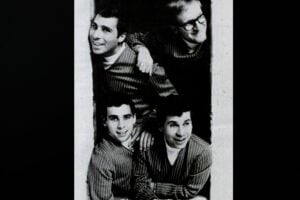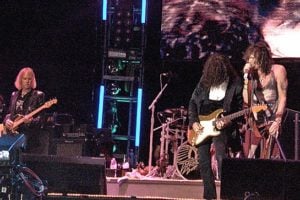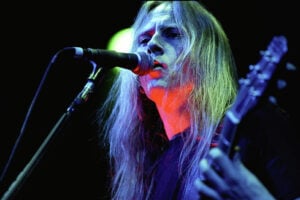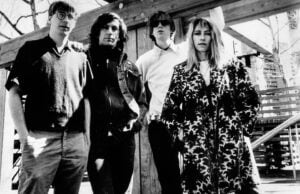
Feature Photo: English: Photograph by Monica Dee. Distributed by SST Records., Public domain, via Wikimedia Commons
Born from the experimental crucible of New York’s no-wave scene, Sonic Youth emerged as a band that would fundamentally reshape the landscape of alternative rock through three decades of sonic exploration and innovation. The band was formed in 1981 by founding members Kim Gordon, Thurston Moore, and Lee Ranaldo, who remained the core of the group throughout its entire existence. Steve Shelley joined as drummer in 1985, completing what would become the most recognized lineup of the band.
Sonic Youth released 15 studio albums between 1983 and 2009, beginning with Confusion Is Sex and concluding with The Eternal. The band achieved both critical acclaim and commercial success, particularly after signing to major label DGC Records in 1990. Their 1988 double album Daydream Nation was selected by the Library of Congress for preservation in the National Recording Registry in 2005 and is widely considered their masterpiece. The band headlined major festivals including Lollapalooza in 1995 and became one of the first major American rock bands to tour China in 2007.
The band officially disbanded in 2011 following the separation and divorce of Gordon and Moore after 27 years of marriage. Their final performance took place on November 14, 2011, at the SWU Music & Arts Festival in Brazil. Throughout their career, Sonic Youth was praised for redefining guitar-based music through their use of alternative tunings, prepared guitars, and unconventional song structures. The band’s influence on alternative and indie rock continues to be felt today, with numerous musicians crediting them as a primary inspiration for their own work.
Kim Gordon
Kim Gordon served as bassist, vocalist, and guitarist for Sonic Youth from the band’s formation in 1981 until their breakup in 2011. Born on April 28, 1953, in Rochester, New York, Gordon graduated from Otis College of Art and Design in 1977 before moving to New York City to pursue an art career. She co-founded Sonic Youth with Thurston Moore after meeting him in the late 1970s through the city’s experimental music scene. Gordon appeared on every Sonic Youth studio album and contributed lead vocals to many of their most acclaimed songs, including “Tunic (Song for Karen)” from Goo and “Bull in the Heather” from Experimental Jet Set, Trash and No Star.
Gordon’s contributions to Sonic Youth extended far beyond her musical performances. Her visual art background influenced the band’s aesthetic choices and album artwork concepts. She was instrumental in the band’s feminist perspective and often addressed issues of gender and society through her lyrics and vocal delivery. Gordon’s bass playing was characterized by its rhythmic foundation and melodic interplay with the guitars, while her guitar work featured the same alternative tunings and experimental techniques that defined the band’s sound. She also participated in many of the band’s side projects, including their alter-ego Ciccone Youth.
Outside of Sonic Youth, Gordon co-founded the band Free Kitten with Pussy Galore’s Julia Cafritz in 1993, releasing albums throughout the 1990s and 2000s. She established the fashion line X-Girl in 1993, which became successful in both the United States and Japan. After Sonic Youth’s breakup, Gordon formed the experimental duo Body/Head with guitarist Bill Nace, releasing their debut album Coming Apart in 2013. She published a bestselling memoir titled Girl in a Band in 2015, which detailed her life in music and art. Gordon has released two solo albums, No Home Record in 2019 and The Collective in 2024, both receiving critical acclaim. She has also maintained an active career as a visual artist with exhibitions in galleries worldwide and continues to work in fashion and film.
Thurston Moore
Thurston Moore co-founded Sonic Youth in 1981 and served as the band’s primary guitarist and vocalist until their dissolution in 2011. Born on July 25, 1958, in Coral Gables, Florida, Moore moved to New York City in 1977 and initially performed with a band called the Coachmen before forming Sonic Youth with Kim Gordon. Moore appeared on every Sonic Youth album and was the lead vocalist on many of their most well-known songs, including “Teen Age Riot” from Daydream Nation and “Kool Thing” from Goo. His guitar work was characterized by extensive use of alternative tunings, prepared guitars, and feedback manipulation, techniques that became central to Sonic Youth’s signature sound.
Moore’s role in Sonic Youth extended beyond performance to include significant involvement in the band’s creative direction and business decisions. He was often the public face of the band in interviews and media appearances, articulating their experimental approach and musical philosophy. Moore’s guitar partnership with Lee Ranaldo created the distinctive two-guitar interplay that defined many of Sonic Youth’s compositions. He contributed to the band’s prolific output of experimental releases through their SYR series and was involved in numerous collaborative projects during his time with the group.
Moore began his solo recording career while still a member of Sonic Youth, releasing his first solo album Psychic Hearts in 1995. He has since released nine solo albums, including recent works like By The Fire (2020) and Flow Critical Lucidity (2024). After Sonic Youth’s breakup, he formed Chelsea Light Moving, which released one album in 2013 before disbanding. Moore currently leads the Thurston Moore Group and has collaborated with numerous musicians including former My Bloody Valentine bassist Debbie Googe. He founded the record label Ecstatic Peace and has worked as a music journalist and author. Moore published his memoir Sonic Life in 2023, detailing his experiences in the experimental music scene. He has taught at various universities and continues to be active in avant-garde music circles, having relocated to London where he continues to record and perform.
Lee Ranaldo
Lee Ranaldo joined Sonic Youth in 1981 shortly after the band’s formation and remained with the group as guitarist and vocalist until their end in 2011. Born on February 3, 1956, Ranaldo was already established in New York’s experimental music scene through his work with Glenn Branca’s guitar orchestra before being invited to join Sonic Youth by Thurston Moore. Ranaldo appeared on every Sonic Youth studio album and provided lead vocals on several tracks per album, including “Eric’s Trip” from Daydream Nation and “Skip Tracer” from Washing Machine. His guitar work complemented Moore’s with intricate alternative tunings and experimental techniques, often serving as the rhythmic guitar to Moore’s lead parts.
Ranaldo’s contributions to Sonic Youth included both musical and literary elements, as his background in poetry and Beat literature influenced many of his lyrics and vocal delivery. He was particularly associated with songs that featured spoken-word elements and narrative structures inspired by writers like Jack Kerouac. Ranaldo also contributed to the band’s visual identity through his artwork and photography, and he maintained detailed tour journals that documented the band’s extensive traveling. His guitar setup was notable for its use of prepared instruments and extended techniques, including the suspension of guitars for feedback manipulation.
Ranaldo has maintained an extensive solo career alongside his work with Sonic Youth, releasing his first solo album From Here to Infinity in 1987. He has released over a dozen solo albums exploring various musical styles from experimental instrumentals to traditional songwriting. His 2017 album Electric Trim featured collaborations with notable musicians including Sharon Van Etten and Steve Shelley. Beyond music, Ranaldo is an accomplished visual artist whose work has been exhibited internationally, and he has published several books including poetry collections and travel journals. He has worked as a producer for various artists and continues to perform both solo and collaborative music. Ranaldo has also created installation art pieces, including his “Suspended Guitar” performances that challenge traditional performer-audience relationships.
Steve Shelley
Steve Shelley became Sonic Youth’s drummer in 1985, replacing Bob Bert, and remained with the band until their breakup in 2011. Born on June 23, 1962, in Midland, Michigan, Shelley was previously a member of the punk band the Crucifucks before joining Sonic Youth. The band hired him without an audition after being impressed by his live performance, and he appeared on every Sonic Youth album from EVOL (1986) onward. Shelley’s drumming style provided the rhythmic foundation for the band’s experimental guitar work while maintaining the energy and intensity needed for their live performances. His playing evolved throughout his tenure with the band to incorporate additional percussion instruments, electronic elements, and unconventional techniques.
Shelley’s role in Sonic Youth extended beyond drumming to include significant involvement in the band’s business operations and creative projects. He managed the band’s SYR and Goofin’ record labels and was responsible for organizing their extensive archive of live recordings. Shelley also served as a producer and engineer for various projects and was instrumental in maintaining the band’s extensive collection of modified guitars and equipment. His drumming on albums like Daydream Nation, Dirty, and Washing Machine helped define the sound of alternative rock in the late 1980s and 1990s.
Outside of Sonic Youth, Shelley founded the independent record label Smells Like Records in 1992, which released albums by artists including Cat Power, Blonde Redhead, and Lee Hazlewood. He produced Cat Power’s first three albums and helped launch her career in the indie rock scene. Shelley has performed and recorded with numerous other artists including Sun Kil Moon, appearing on albums Benji, Universal Themes, and Common as Light and Love Are Red Valleys of Blood from 2014 to 2017. He has collaborated with members of other notable bands including Wilco, Television, and My Bloody Valentine on various recording projects. Shelley continues to operate record labels including Vampire Blues Records and remains active in producing and archiving music. He frequently performs with former Sonic Youth members on their solo projects and maintains an extensive collection of live Sonic Youth recordings that he has made available through digital platforms.
Jim O’Rourke
Jim O’Rourke became a full member of Sonic Youth in 1999 and remained with the band until 2005, serving as bassist, guitarist, and keyboardist. Born on January 18, 1969, in Chicago, O’Rourke was already an established musician and producer when he began collaborating with Sonic Youth on their SYR3 experimental album in 1998. He became an official member during the recording of NYC Ghosts & Flowers in 2000 and appeared on three studio albums: NYC Ghosts & Flowers (2000), Murray Street (2002), and Sonic Nurse (2004). O’Rourke’s addition to the band allowed for greater sonic experimentation and more complex arrangements, as he could provide bass when Kim Gordon played guitar and vice versa.
O’Rourke’s tenure with Sonic Youth marked a period of renewed creativity and critical acclaim for the band. His background in experimental music and electronic manipulation brought new textures and production techniques to their sound. Murray Street in particular was praised for its return to more structured songwriting while maintaining the band’s experimental edge. O’Rourke’s contributions included not only instrumental performances but also significant involvement in the recording and mixing process, helping to shape the overall sonic character of the albums during his membership.
Before joining Sonic Youth, O’Rourke had established himself as a significant figure in experimental music through his work with bands like Gastr del Sol and his solo releases including Bad Timing (1997) and Eureka (1999). During his time with Sonic Youth, he also worked as producer and mixer for Wilco’s acclaimed albums Yankee Hotel Foxtrot and A Ghost Is Born, winning a Grammy Award for the latter. After leaving Sonic Youth in 2005, O’Rourke moved to Japan where he has continued his solo career and collaborative work. He has released numerous albums exploring various musical styles from orchestral pop to experimental electronics. O’Rourke has also composed film scores for directors including Werner Herzog and has worked extensively with Japanese musicians. His production and mixing work has included projects with artists such as Joanna Newsom, Stereolab, and Smog.
Mark Ibold
Mark Ibold joined Sonic Youth as bassist and guitarist in 2006 following Jim O’Rourke’s departure and remained with the band until their breakup in 2011. Born on October 17, 1962, in Cincinnati, Ohio, Ibold was already well-known as the bassist for the influential indie rock band Pavement when he joined Sonic Youth. He initially toured with the band for their Rather Ripped album and became a full member by the time of The Eternal (2009), the band’s final studio album. Ibold’s bass playing provided solid rhythmic foundation while allowing for the dual bass arrangements when Kim Gordon switched to guitar, creating a different dynamic from the O’Rourke era.
Ibold’s integration into Sonic Youth was facilitated by his long history as a fan of the band and his friendship with the members, particularly through his work with Kim Gordon in the side project Free Kitten. His musical approach complemented the band’s experimental nature while bringing elements of his experience from Pavement’s more structured indie rock sound. During his tenure, Sonic Youth maintained their reputation for innovative live performances and continued to explore new musical territories even as they approached their final years as a band.
Before joining Sonic Youth, Ibold was a founding member of Pavement, appearing on all four of their studio albums from 1992 to 1999. With Pavement, he helped define the sound of 1990s indie rock and alternative music. He was also a member of Free Kitten alongside Kim Gordon, Pussy Galore’s Julia Cafritz, and Boredoms’ Yoshimi P-We. Outside of music, Ibold has worked in various capacities including as a bartender in New York City and as a food writer for magazines like Lucky Peach. He reunited with Pavement for their 2010 reunion tour and again for their 2022 reunion activities. Ibold has maintained a relatively low public profile compared to other members of both bands, but his contributions to two of the most influential alternative rock bands of the 1990s and 2000s have made him a respected figure in indie rock circles.
Richard Edson
Richard Edson was Sonic Youth’s first drummer, performing with the band from 1981 to 1982 during their earliest formation. Born in New Rochelle, New York, Edson was recruited to play drums after the founding trio of Kim Gordon, Thurston Moore, and Lee Ranaldo had established their initial sound concept. He appeared on Sonic Youth’s debut EP released in December 1981, which was recorded at Radio City Music Hall and represented the band’s first official release. Edson’s drumming on these early recordings demonstrated a more conventional post-punk approach compared to the experimental directions the band would later pursue.
Edson left Sonic Youth in early 1982 to pursue an acting career, marking the end of the band’s first incarnation. His departure came as the band was still developing their distinctive sound and experimental approach to rock music. During his brief tenure, the band performed their early repertoire and began establishing their presence in New York’s downtown music scene. His drumming style during this period was more straightforward and less experimental than what would characterize later Sonic Youth recordings.
After leaving Sonic Youth, Edson successfully transitioned to acting and appeared in numerous films and television shows. His acting credits include roles in Stranger Than Paradise (1984), Good Morning, Vietnam (1987), Do the Right Thing (1989), and many other productions throughout the 1980s and 1990s. Edson has continued working as an actor and musician, occasionally returning to music projects while maintaining his film and television career. His brief time with Sonic Youth represents an important part of the band’s early history, documenting their initial attempts to translate their experimental concepts into recorded music.
Bob Bert
Bob Bert served as Sonic Youth’s drummer during two separate periods, first from 1982 to 1983 and again from 1983 to 1985. Born in Connecticut, Bert replaced Richard Edson when the former drummer left to pursue acting opportunities. Bert appeared on Sonic Youth’s first full-length studio album Confusion Is Sex (1983) and the Kill Yr Idols EP (1983), recordings that marked the band’s transition toward their more experimental and abrasive sound. His drumming on these releases was characterized by a powerful, driving style that complemented the band’s increasingly dissonant guitar work and helped establish the foundation for their reputation in the underground music scene.
Bert’s first departure from the band occurred after tensions arose during touring, but he was asked to rejoin when his replacement Jim Sclavunos left after only a few months. During his second tenure with the band, Bert continued to develop the rhythmic approach that would influence later Sonic Youth drummers. His work on Bad Moon Rising (1985) represented the culmination of his contributions to the band’s early sound. However, ongoing creative differences and complaints about his consistency led to his final departure in 1985, when he was replaced by Steve Shelley.
After leaving Sonic Youth, Bert continued his music career with various punk and alternative rock bands. He formed Pussy Galore with Jon Spencer and later played with other notable underground acts including Boss Hog and Bewitched. Bert has maintained connections to the New York underground music scene and has occasionally reunited with former bandmates for various projects. His contributions to Sonic Youth’s early albums remain an important part of their discography, representing the band’s formative period as they developed from a post-punk group into the experimental rock innovators they would become.
Jim Sclavunos
Jim Sclavunos served as Sonic Youth’s drummer for a brief period in 1982-1983, replacing Bob Bert during his first departure from the band. Born in Brooklyn, New York, Sclavunos was already an established figure in the New York underground music scene when he joined Sonic Youth. He appeared on the band’s first full-length studio album Confusion Is Sex (1983), which marked a significant evolution in their sound from the more conventional post-punk approach of their debut EP to a more experimental and dissonant style. His drumming on this album helped establish the rhythmic foundation for some of Sonic Youth’s most challenging early material.
Sclavunos’s tenure with Sonic Youth was short-lived due to creative and personal differences with the band members. His approach to drumming was more influenced by avant-garde and experimental music, which sometimes conflicted with the direction the band was developing. Despite the brief nature of his membership, his contributions to Confusion Is Sex represented an important step in the band’s evolution toward their distinctive sound. The album featuring his drumming became influential in the development of noise rock and experimental alternative music.
After leaving Sonic Youth, Sclavunos continued to be active in various musical projects within the underground and alternative music scenes. He later became known for his work with Nick Cave and the Bad Seeds, joining the band in the 1990s and remaining with them for many years. Sclavunos has also been involved with numerous other projects including The Cramps, Teenage Jesus and the Jerks, and his own band Damage. His diverse musical background and experimental approach have made him a respected figure in alternative and underground music circles, with his brief time in Sonic Youth representing just one chapter in a varied and influential career.
Anne DeMarinis
Anne DeMarinis was a keyboardist and vocalist who briefly performed with Sonic Youth during their very first public performance in 1981. She participated in the band’s debut show at Noise Fest on June 18, 1981, at the White Columns art space in New York City, when the group was still in its experimental formation phase. DeMarinis contributed keyboards, vocals, and guitar during this historic performance, appearing alongside Kim Gordon, Thurston Moore, and drummer Richard Edson before Lee Ranaldo had joined the band. Her participation in these early performances included vocals on three songs titled “Noisefest #1,” “Noisefest #2,” and “Noisefest #3,” as well as guitar on “Noisefest #4.”
DeMarinis’s involvement with Sonic Youth was extremely brief, lasting only for this initial performance period before the band began to solidify their lineup and sound. Her departure occurred before the recording of their debut EP in December 1981, marking the end of Sonic Youth’s keyboard-inclusive phase. During her short time with the group, the band was still experimenting with different instrumental configurations and had not yet settled on the guitar-centric approach that would define their later work. Her contributions represent the earliest documented phase of Sonic Youth’s development as they transitioned from experimental art collective to structured rock band.
Limited information is available about DeMarinis’s career before or after her brief association with Sonic Youth. Her participation in the band’s first performance makes her historically significant as one of the original members who helped launch what would become one of the most influential alternative rock bands. Her involvement with Sonic Youth occurred during a pivotal moment in the New York no-wave and experimental music scene, when the boundaries between art and music were being actively explored by various artists and musicians in the downtown Manhattan cultural community.
Check out more Sonic Youth articles on ClassicRockHistory.com Just click on any of the links below……
Complete List Of Sonic Youth Albums And Discography
Top 10 Greatest Sonic Youth Songs
Read More: Artists’ Interviews Directory At ClassicRockHistory.com
Read More: Classic Rock Bands List And Directory
article published on ClassicRockHistory.com© 2025
Classicrockhistory.com claims ownership of all its original content and Intellectual property under United States Copyright laws and those of all other foreign countries. No one person, business, or organization is allowed to re-publish any of our original content anywhere on the web or in print without our permission. All photos used are either public domain Creative Commons photos or licensed officially from Shutterstock under license with ClassicRockHistory.com. All photo credits have been placed at the end of the article. Album Cover Photos are affiliate links and the property of Amazon and are stored on the Amazon server. Any theft of our content will be met with swift legal action against the infringing websites.