Feature Photo: Shadowgate, CC BY 2.0 <https://creativecommons.org/licenses/by/2.0>, via Wikimedia Commons
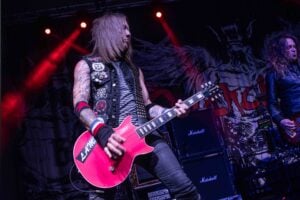
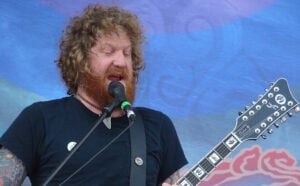
Brent Hinds helped shape one of the most adventurous sounds in modern heavy music by blending sludge metal, southern rock, progressive structures, punk energy, and psychedelic guitar work into something completely unpredictable. His playing style became central to Mastodon’s identity, especially because he approached heavy metal guitar with a loose, improvisational attitude that often felt closer to classic southern rock and fusion than traditional metal. Hinds was born William Brent Hinds on January 16, 1974, in Pelham, Alabama. Before gaining national recognition, he spent years immersed in underground music scenes while developing a guitar style influenced by Lynyrd Skynyrd, Thin Lizzy, Frank Zappa, and progressive rock artists. His move to Atlanta, Georgia, became a turning point that eventually led to the formation of Mastodon.
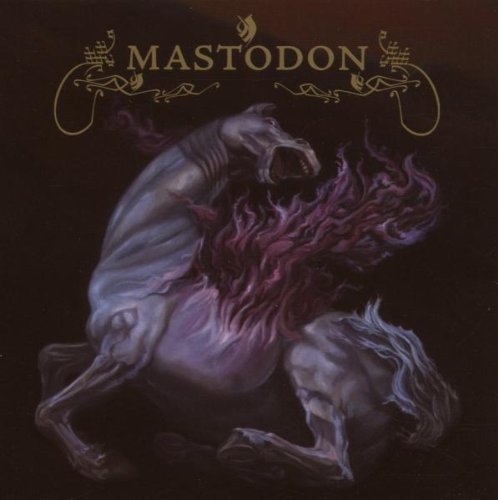
Mastodon formed in 2000 when Hinds joined forces with bassist and vocalist Troy Sanders, drummer Brann Dailor, and guitarist Bill Kelliher. The group quickly gained attention because of its technical musicianship and willingness to push beyond standard heavy metal structures. Their early releases, including Remission in 2002 and Leviathan in 2004, established Mastodon as one of the most ambitious heavy bands of the era. Leviathan, inspired by Herman Melville’s Moby-Dick, became especially important to the band’s rise and earned widespread critical praise. Hinds contributed heavily to the album’s guitar textures and melodic direction on songs such as “Blood and Thunder,” “Iron Tusk,” and “Megalodon.”
As Mastodon evolved, Hinds became increasingly important to the band’s expanding musical range. Albums such as Blood Mountain, Crack the Skye, The Hunter, Once More ’Round the Sun, Emperor of Sand, and Hushed and Grim pushed the group far beyond sludge metal into progressive rock, psychedelic music, and melodic experimentation. Crack the Skye, released in 2009, became one of the defining progressive metal albums of its generation, with Hinds helping create the layered guitar arrangements and emotional atmosphere that made the record stand out. Songs such as “Oblivion,” “Divinations,” and “The Czar” demonstrated how far the band had evolved from its heavier underground beginnings.
Mastodon achieved major commercial success while still maintaining credibility within the metal community. The band earned Grammy Awards and multiple Grammy nominations over the course of its career. “Sultan’s Curse” won the Grammy Award for Best Metal Performance in 2018. Other major songs associated with the band included “Show Yourself,” “High Road,” “Steambreather,” and “Curl of the Burl.” Hinds became especially respected among guitar players because of his ability to shift between crushing heavy riffs and melodic, almost bluesy lead playing without losing intensity. His guitar tone and phrasing became one of the most recognizable parts of Mastodon’s sound.
Outside Mastodon, Hinds remained involved in several side projects that revealed even more of his musical personality. He formed Fiend Without a Face, a surfabilly band heavily influenced by surf rock, rockabilly, and punk music. The project allowed him to explore styles very different from Mastodon’s progressive metal approach. Hinds also played with the supergroup Giraffe Tongue Orchestra alongside musicians including Ben Weinman of the Dillinger Escape Plan and William DuVall of Alice in Chains. That project combined hard rock, progressive music, and alternative influences into another experimental outlet for his songwriting and guitar work.
Hinds also became known for his unpredictable personality and his willingness to reject rigid expectations surrounding heavy metal musicians. Fans connected with him because he never seemed interested in presenting himself as a polished rock star. Instead, he often came across as eccentric, humorous, impulsive, and deeply connected to the music itself. That personality became part of Mastodon’s broader appeal because the band consistently avoided formulaic approaches both musically and visually.
One of the most serious moments in Hinds’ life occurred in 2007 after he suffered a severe head injury following an altercation outside a nightclub in Las Vegas. The injuries included a fractured skull and brain hemorrhage that placed him in a coma. His recovery was difficult, but he eventually returned to performing and recording with Mastodon. That incident became a major turning point personally and professionally because it forced him to recover physically while continuing work within one of modern metal’s most demanding bands.
Outside music, Hinds became deeply connected to skateboarding culture, underground art communities, and independent creative projects centered on visual art and custom instrument-making. He frequently collaborated with artists and designers connected to the heavy music and skateboarding worlds, helping shape Mastodon’s visual identity over the years. His love for animals, especially cats, also became widely known among fans and frequently appeared in interviews and on social media. Those small personal details helped strengthen the bond between Hinds and Mastodon’s audience because they revealed someone whose interests stretched far beyond heavy music alone.
With Mastodon
Remission (2002)
Leviathan (2004)

Call of the Mastodon (2006)

Blood Mountain (2006)

Crack the Skye (2009)

The Hunter (2011)

Once More ‘Round the Sun (2014)

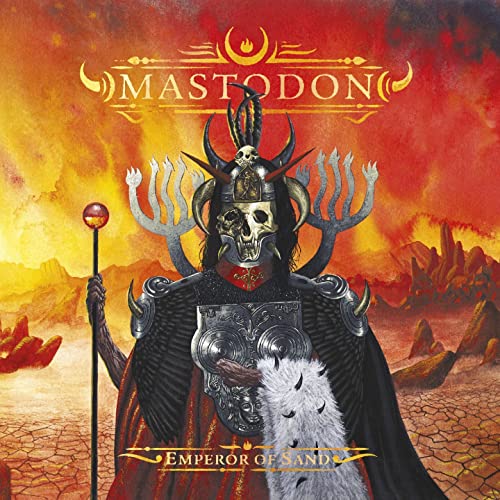
Emperor of Sand (2017)
Hushed and Grim (2021)
![Hushed and Grim [2CD]](https://m.media-amazon.com/images/I/51Earfr+jlL._SL500_.jpg)
With Giraffe Tongue Orchestra
Broken Lines (2016)

With Fiend Without A Face
Fiend Without A Face (2016)
With Legend Of The Seagullmen
Legend Of The Seagullman (2018)
With West End Motel
Brent Hinds Presents: Fiend Without A Face / West End Motel (2011)
Check out similar articles on ClassicRockHistory.com
Classic Rock Bands List And Directory
Top 200 Classic Rock Bands and Artists of All Time
Top 200 Pop Songs Of The 1970s
Top 500 Classic Rock Songs Of All Time
Top 500 Rock Songs Of The 80s
Artists’ Interviews Directory At ClassicRockHistory.com
Complete List Of Brent Hinds Bands And Musical Projects article published on ClassicRockHistory.com© 2026
Classicrockhistory.com claims ownership of all its original content and Intellectual property under United States Copyright laws and those of all other foreign countries. No one person, business, or organization is allowed to republish any of our original content anywhere on the web or in print without our permission. All photos used are either public domain Creative Commons photos or licensed officially from Shutterstock under license with ClassicRockHistory.com. All photo credits have been placed at the end of the article. Album Cover Photos are affiliate links and the property of Amazon and are stored on the Amazon server. Any theft of our content will be met with swift legal action against the infringing websites.