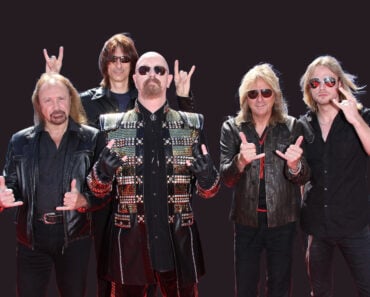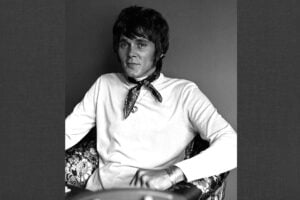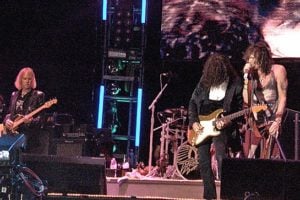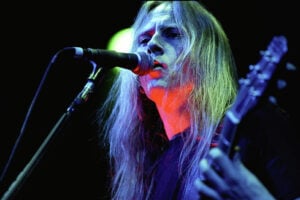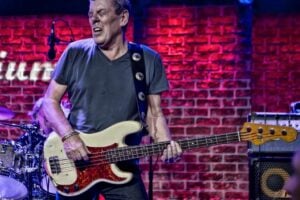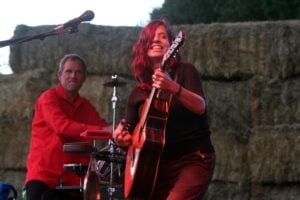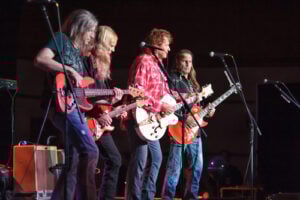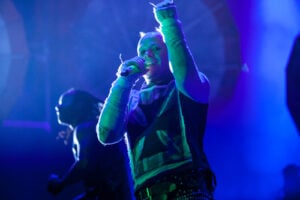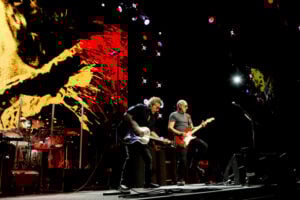
Feature Photo: MembersJohn Mathew Smith & www.celebrity-photos.com from Laurel Maryland, USA, CC BY-SA 2.0 <https://creativecommons.org/licenses/by-sa/2.0>, via Wikimedia Commons
A fusion of funk, soul, rock, and Latin rhythms propelled War from the streets of Long Beach, California into the upper echelons of 1970s popular music. The band formed in 1969 originally as Eric Burdon and War, pairing the British rock vocalist with a multi-ethnic group of musicians who had been performing as Nightshift. War has released numerous studio albums including Eric Burdon Declares “War”, All Day Music, The World Is a Ghetto, Deliver the Word, Why Can’t We Be Friends?, Galaxy, The Music Band, The Music Band 2, Outlaw, Life (is So Strange), ☮, and Evolutionary. The band achieved multiple gold and platinum certifications during their commercial peak in the 1970s.
War scored major hit singles with “Spill the Wine,” “The Cisco Kid,” “The World Is a Ghetto,” “Why Can’t We Be Friends?,” “Low Rider,” and “Summer.” The album The World Is a Ghetto reached number one on the Billboard 200 and was Billboard magazine’s best-selling album of 1973. The single “Slippin’ into Darkness” sold over one million copies and received a gold disc certification from the R.I.A.A. in June 1972. War received unsuccessful nominations for induction into the Rock and Roll Hall of Fame in 2009 and 2014.
The band experienced significant lineup changes throughout its existence, with only Leroy “Lonnie” Jordan remaining from the original formation. In 1996, four members left to form the Lowrider Band after failing to gain independence from producer Jerry Goldstein, who owns the trademark to the War name through Far Out Productions. Jordan continued with a new version of War that remains active as a live performance act. The band has undergone numerous personnel changes since the 1970s, with members joining and departing across multiple decades.
Eric Burdon
Eric Burdon joined War in 1969 after producer Jerry Goldstein introduced him to the band when they were backing blues artist Deacon Jones at the Rag Doll in North Hollywood. Burdon had previously achieved fame as the lead singer of the British band the Animals before relocating to California. He performed with War from 1969 to 1971, appearing on the albums Eric Burdon Declares “War” and The Black-Man’s Burdon. Burdon co-wrote and sang lead vocals on “Spill the Wine,” which became a hit and launched the band’s career. The song appeared on the 1970 album Eric Burdon Declares “War” and established War’s commercial presence in the United States and Europe.
Burdon and War toured extensively across Europe and the United States during 1970. A review in the New Musical Express of their first UK performance at Hyde Park in London carried the subtitle “Burdon and War: Best Live Band We’ve Ever Seen.” The band performed at Ronnie Scott’s Club in London on September 16, 1970, which became historically notable as the last public performance for Jimi Hendrix, who joined them onstage for the final 35 minutes of their second set. Hendrix died the following day. During a subsequent tour following the release of The Black-Man’s Burdon, Burdon collapsed on stage during a concert due to an asthma attack. The band continued the tour without him before Burdon left the group in the middle of its European tour in 1971.
After leaving War, Burdon pursued a solo career and formed other musical projects. He released numerous albums throughout the 1970s, 1980s, 1990s, and 2000s under his own name. Burdon reunited with War for a one-time performance on April 21, 2008, at the Royal Albert Hall in London, where they performed “Spill the Wine” together. This performance was released as the album Greatest Hits Live on Avenue and Rhino Records. In 1976, an album titled Love Is All Around by Eric Burdon and War was released, containing mostly unreleased recordings from 1969 and 1970.
Leroy “Lonnie” Jordan
Leroy “Lonnie” Jordan co-founded War in 1969 and has remained the only original member in the current lineup. Jordan played keyboards and sang lead vocals from the band’s inception, contributing to every War album released from 1970 through 2014. He performed on Eric Burdon Declares “War”, The Black-Man’s Burdon, War, All Day Music, The World Is a Ghetto, Deliver the Word, Why Can’t We Be Friends?, Platinum Jazz, Galaxy, Youngblood, The Music Band, The Music Band 2, Outlaw, Life (is So Strange), ☮, and Evolutionary. Jordan stated that the band’s goal was to spread a message of brotherhood and harmony, using instruments and voices to speak out against racism, hunger, gangs, crimes, and turf wars while promoting hope and the spirit of brotherhood.
Jordan contributed keyboards and vocals to War’s most successful period during the 1970s. He performed on “Spill the Wine,” “The Cisco Kid,” “The World Is a Ghetto,” “Low Rider,” “Why Can’t We Be Friends?,” and “Summer,” among other hits. Jordan played a central role in the creation of The World Is a Ghetto, which became Billboard’s best-selling album of 1973. He remained with War through the lineup changes of the late 1970s and early 1980s, continuing to record and perform as core members departed or died. Jordan was part of the 1994 reformation that produced the album ☮.
In 1996, when four members left to form the Lowrider Band after failing to gain independence from producer Jerry Goldstein, Jordan opted to remain with Goldstein and create a new version of War. He became the sole original member in a lineup that included some musicians who had joined between 1983 and 1993, along with new additions. Jordan has maintained War as an active touring entity from 1996 to the present. He continues to perform War’s classic material in concert and released the studio album Evolutionary in 2014. Jordan has led War through multiple decades of personnel changes while keeping the band’s name and music active in live performance.
Howard E. Scott
Howard E. Scott co-founded the group that became War, forming a band called the Creators with Harold Brown in Long Beach, California in 1962. Scott played guitar and sang vocals with the Creators before the group evolved into Nightshift and eventually War in 1969. He remained with War from 1969 until 1994, appearing on albums including Eric Burdon Declares “War”, The Black-Man’s Burdon, War, All Day Music, The World Is a Ghetto, Deliver the Word, Why Can’t We Be Friends?, Platinum Jazz, Galaxy, Youngblood, The Music Band, The Music Band 2, Outlaw, Life (is So Strange), and ☮. Scott’s guitar work was integral to War’s sound throughout their most commercially successful period in the 1970s.
Scott performed on all of War’s major hit singles during the 1970s, including “Spill the Wine,” “Slippin’ into Darkness,” “The Cisco Kid,” “The World Is a Ghetto,” “Gypsy Man,” “Me and Baby Brother,” “Low Rider,” “Why Can’t We Be Friends?,” and “Summer.” His guitar contributions appeared on The World Is a Ghetto, which reached number one on the Billboard 200 and was Billboard magazine’s best-selling album of 1973. Scott remained with War through the departure of founding members Charles Miller and B.B. Dickerson in 1979, and the death of Papa Dee Allen in 1988. He participated in the 1994 reformation that produced the album ☮.
In 1996, Scott left War along with Harold Brown, Lee Oskar, and B.B. Dickerson when the group attempted to gain independence from producer Jerry Goldstein but were unable to do so while retaining the War name, which remained a trademark owned by Goldstein and Far Out Productions. Scott adopted the name Lowrider Band with the other departing members, referencing one of War’s biggest hits. The Lowrider Band has remained active as a live performance act but has not recorded a studio album. Scott’s tenure with War spanned 25 years and encompassed the band’s entire classic era.
Harold Ray Brown
Harold Ray Brown co-founded the Creators with Howard E. Scott in Long Beach, California in 1962. Brown played drums and sang vocals with the group as it evolved from the Creators to Nightshift and finally to War in 1969. He remained with War from 1969 to 1994, performing on albums including Eric Burdon Declares “War”, The Black-Man’s Burdon, War, All Day Music, The World Is a Ghetto, Deliver the Word, Why Can’t We Be Friends?, Platinum Jazz, Galaxy, Youngblood, The Music Band, The Music Band 2, Outlaw, Life (is So Strange), and ☮. The band Nightshift was named because Brown worked nights at a steel yard.
Brown’s drumming anchored War’s rhythm section throughout their commercial peak in the 1970s. He performed on hit singles “Spill the Wine,” “Slippin’ into Darkness,” “The Cisco Kid,” “The World Is a Ghetto,” “Gypsy Man,” “Me and Baby Brother,” “Low Rider,” “Why Can’t We Be Friends?,” and “Summer.” Brown played drums on The World Is a Ghetto, which became the number one album on the Billboard 200 and Billboard magazine’s best-selling album of 1973. He continued with War after the addition of Ron Hammon as a third drummer in 1979, creating a multi-percussion setup that became part of the band’s sound during the early 1980s.
Brown remained with War through significant lineup changes including the departures and deaths of original members. He participated in the 1993 reformation that included original members Jordan, Oskar, and Scott, plus later members Hammon and Rizzo, augmented by supporting musicians under the management and production of Jerry Goldstein. In 1996, Brown left War with Scott, Oskar, and B.B. Dickerson after the group attempted unsuccessfully to gain independence from Goldstein. Brown adopted the name Lowrider Band with the other departing members, and the group has remained active as a live performance act. Brown’s time with War spanned 25 years and covered the entirety of their classic period.
Charles Miller
Charles Miller joined the Creators within a few years of the group’s 1962 formation by Howard E. Scott and Harold Brown in Long Beach, California. Miller played saxophone and flute while also contributing vocals. He remained with the band through its evolution into Nightshift and War, performing from 1969 to 1979. Miller appeared on albums including Eric Burdon Declares “War”, The Black-Man’s Burdon, War, All Day Music, The World Is a Ghetto, Deliver the Word, Why Can’t We Be Friends?, Platinum Jazz, and Galaxy. His saxophone and flute work was a defining element of War’s sound during their most successful commercial period.
Miller performed on all of War’s major hits during the 1970s, including “Spill the Wine,” “Slippin’ into Darkness,” “The Cisco Kid,” “The World Is a Ghetto,” “Gypsy Man,” “Me and Baby Brother,” “Low Rider,” “Why Can’t We Be Friends?,” and “Summer.” His horn arrangements contributed to the Latin and jazz influences in War’s music. Miller played on The World Is a Ghetto, which reached number one on the Billboard 200 and became Billboard magazine’s best-selling album of 1973. He continued with War through the release of Galaxy in 1977 and the soundtrack album for the movie Youngblood in 1978.
Miller left War in 1979 and was replaced by Pat Rizzo, formerly of Sly and the Family Stone. Miller was murdered in 1980 at age 31. His saxophone and flute contributions during War’s classic era from 1969 to 1979 established the horn sound that became central to the band’s identity. Miller’s work appears on all of War’s platinum-selling albums from the 1970s and he performed on recordings that sold millions of copies worldwide.
Morris “B.B.” Dickerson
Morris “B.B.” Dickerson joined the Creators within a few years of the group’s 1962 formation in Long Beach, California. Dickerson played bass and sang vocals with the band through its evolution into Nightshift and War. He remained with War from 1969 to 1979, appearing on albums including Eric Burdon Declares “War”, The Black-Man’s Burdon, War, All Day Music, The World Is a Ghetto, Deliver the Word, Why Can’t We Be Friends?, Platinum Jazz, and Galaxy. Dickerson’s bass playing provided the foundation for War’s funk and rock sound during their entire classic period in the 1970s.
Dickerson performed on War’s biggest hits including “Spill the Wine,” “Slippin’ into Darkness,” “The Cisco Kid,” “The World Is a Ghetto,” “Gypsy Man,” “Me and Baby Brother,” “Low Rider,” “Why Can’t We Be Friends?,” and “Summer.” His bass work appeared on The World Is a Ghetto, which reached number one on the Billboard 200 and became Billboard magazine’s best-selling album of 1973. Dickerson played on the album Deliver the Word, which sold nearly two million copies. He continued with War through the mid-1970s before departing during recording sessions for their next album in 1979.
Dickerson left War in 1979 and was replaced by Luther Rabb, who completed the album that became The Music Band. After his departure, Dickerson did not work with War again until 1996, when he returned to join Howard E. Scott, Harold Brown, and Lee Oskar in forming the Lowrider Band. The group adopted this name after attempting unsuccessfully to gain independence from producer Jerry Goldstein while retaining the War trademark. The Lowrider Band has remained active as a live performance act but has not recorded a studio album. Dickerson died in 2021 at age 71.
Lee Oskar
Lee Oskar joined the Creators after Howard E. Scott, Harold Brown, Charles Miller, Morris Dickerson, and Lonnie Jordan had already formed the core lineup in Long Beach, California. Oskar played harmonica and sang vocals with the group through its evolution into Nightshift and War. He remained with War from 1969 to 1994, performing on albums including Eric Burdon Declares “War”, The Black-Man’s Burdon, War, All Day Music, The World Is a Ghetto, Deliver the Word, Why Can’t We Be Friends?, Platinum Jazz, Galaxy, Youngblood, The Music Band, The Music Band 2, Outlaw, Life (is So Strange), and ☮. Oskar’s harmonica became one of the most recognizable elements of War’s sound.
Oskar performed harmonica on War’s major hits including “Spill the Wine,” “Slippin’ into Darkness,” “The Cisco Kid,” “The World Is a Ghetto,” “Gypsy Man,” “Me and Baby Brother,” “Low Rider,” “Why Can’t We Be Friends?,” and “Summer.” His harmonica work appeared prominently on “Low Rider,” which became one of War’s most enduring songs. Oskar played on The World Is a Ghetto, which reached number one on the Billboard 200 and was Billboard magazine’s best-selling album of 1973. He remained with War through lineup changes in the late 1970s and early 1980s, continuing to perform and record as other original members departed or died.
Oskar participated in the 1993 reformation of War that produced the album ☮ in 1994. In 1996, he left War along with Harold Brown, Howard E. Scott, and B.B. Dickerson when the group attempted to gain independence from producer Jerry Goldstein but were unable to retain the War name, which remained a trademark owned by Goldstein and Far Out Productions. Oskar adopted the name Lowrider Band with the other departing members, and the group has remained active as a live performance act. Outside of War, Oskar has pursued a career as a harmonica manufacturer, creating a line of harmonicas bearing his name that are widely used by musicians across multiple genres.
Thomas “Papa Dee” Allen
Thomas “Papa Dee” Allen joined the Creators after the group’s formation in Long Beach, California. Allen played percussion and sang vocals with the band through its evolution into Nightshift and War. He remained with War from 1969 to 1988, performing on albums including Eric Burdon Declares “War”, The Black-Man’s Burdon, War, All Day Music, The World Is a Ghetto, Deliver the Word, Why Can’t We Be Friends?, Platinum Jazz, Galaxy, Youngblood, The Music Band, The Music Band 2, Outlaw, and Life (is So Strange). Allen’s percussion work contributed to the Latin rhythms and multi-layered sound that characterized War’s music.
Allen performed on all of War’s major hits during the 1970s and early 1980s, including “Spill the Wine,” “Slippin’ into Darkness,” “The Cisco Kid,” “The World Is a Ghetto,” “Gypsy Man,” “Me and Baby Brother,” “Low Rider,” “Why Can’t We Be Friends?,” and “Summer.” His percussion appeared on The World Is a Ghetto, which reached number one on the Billboard 200 and became Billboard magazine’s best-selling album of 1973. Allen remained with War through significant personnel changes in 1979 when Charles Miller and B.B. Dickerson departed, continuing to perform and record through the early 1980s.
Allen died of a brain aneurysm in August 1988 at age 57. The aneurysm struck him while he was performing onstage. His death marked the first loss of an original War member during the band’s active years. Allen’s tenure with War spanned 19 years and covered the band’s entire classic era plus their transition into the 1980s. His percussion work remains part of War’s recorded legacy across their most successful albums.
Ron Hammon
Ron Hammon joined War in 1979 as a third drummer, adding to the percussion section alongside Harold Brown and Papa Dee Allen. Hammon played drums and percussion with War from 1979 to 1996, appearing on albums including The Music Band, The Music Band 2, Outlaw, Life (is So Strange), and ☮. The addition of Hammon created a multi-percussion setup that expanded War’s rhythmic capabilities during the late 1970s and early 1980s. He joined during a period when the band was experiencing lineup changes, with B.B. Dickerson departing and Luther Rabb joining on bass, and Charles Miller leaving to be replaced by Pat Rizzo.
Hammon performed on War’s albums during a period when their commercial success had diminished from the heights of the early 1970s. He played on The Music Band and The Music Band 2, both released in 1979, and the live album The Music Band Live in 1980. Hammon continued with War through their move to RCA Victor Records, performing on Outlaw in 1982 and Life (is So Strange) in 1983. These albums included singles such as “You Got the Power,” “Outlaw,” and “Just Because,” though they did not achieve the commercial success of War’s 1970s releases.
Hammon remained with War during the period when the band’s activities became sporadic after 1983. He participated in the 1993 reformation that brought together original members Brown, Jordan, Oskar, and Scott with later member Pat Rizzo, augmented by supporting musicians. Hammon performed on the 1994 album ☮. He left War in 1996 during the period when Brown, Oskar, Scott, and B.B. Dickerson attempted to gain independence from producer Jerry Goldstein and subsequently formed the Lowrider Band. Hammon’s tenure with War spanned 17 years and covered the band’s transition from their classic lineup into later configurations.
Pat Rizzo
Pat Rizzo joined War in 1979 after the departure of Charles Miller, who was later murdered in 1980. Rizzo had previously played with Sly and the Family Stone before joining War. He played saxophone and flute while contributing vocals, appearing on albums including The Music Band 2, Outlaw, and Life (is So Strange) during his first tenure from 1979 to 1983. Rizzo’s saxophone work replaced Miller’s contributions during a period when War was experiencing declining commercial success compared to their 1970s peak.
Rizzo performed on The Music Band 2 in 1979 and continued with War through their move to RCA Victor Records. He played on Outlaw in 1982 and Life (is So Strange) in 1983, which included singles such as “You Got the Power,” “Outlaw,” “Just Because,” and the title track from Life (is So Strange). After leaving War in 1983, Rizzo pursued other musical projects during the period when War’s activities became sporadic and they did not record another full album for a decade.
Rizzo returned to War for a second tenure from 1993 to 1995. He participated in the reformation that brought together original members Brown, Jordan, Oskar, and Scott with later member Ron Hammon, augmented by supporting musicians under the management and production of Jerry Goldstein. Rizzo performed on the 1994 album ☮. He left War in 1995, one year before Brown, Oskar, Scott, and B.B. Dickerson departed to form the Lowrider Band. Rizzo died in 2021. His saxophone work during two separate periods with War helped maintain the horn sound that had been established by Charles Miller during the band’s classic era.
Luther Rabb
Luther Rabb joined War in 1979 as the replacement for B.B. Dickerson, who departed during recording sessions for what became The Music Band. Rabb played bass and sang vocals with War from 1979 to 1984, appearing on albums including The Music Band, The Music Band 2, Outlaw, and Life (is So Strange). Rabb completed the bass parts for The Music Band after Dickerson’s departure and became a full member of War during a period when the band’s lineup was experiencing significant changes.
Rabb performed on The Music Band and The Music Band 2, both released in 1979, and the live album The Music Band Live in 1980. He played bass on War’s transition to RCA Victor Records, appearing on Outlaw in 1982 and Life (is So Strange) in 1983. These albums included singles such as “You Got the Power,” “Outlaw,” “Just Because,” and the title track from Life (is So Strange). Rabb’s bass work during this period maintained War’s funk foundation, though the albums did not achieve the commercial success of the band’s 1970s releases.
Rabb left War in 1984 and was replaced by Ricky Green on bass. After his departure from War, Rabb pursued other musical projects. He died in 2006 at age 59. Rabb’s tenure with War spanned five years during a transitional period when the band was moving away from their classic lineup and attempting to maintain relevance in the changing musical landscape of the early 1980s. His bass playing appears on the final War albums released by MCA Records and their first albums for RCA Victor.
Alice Tweed Smith
Alice Tweed Smith joined War in 1979 during a period of significant lineup changes. She played percussion and sang vocals with War from 1979 to 1981, making her the band’s first female vocalist. Smith was credited as “Tweed Smith” and “Alice Tweed Smyth” on various albums. She appeared on The Music Band 2 in 1979 and the live album The Music Band Live in 1980. Smith joined at the same time as Ron Hammon, who became a third drummer, and Pat Rizzo, who replaced Charles Miller on saxophone.
Smith’s addition gave War a different vocal texture during the late 1970s and early 1980s. She performed during a period when the band’s commercial fortunes had declined from their 1970s peak. Smith sang on The Music Band 2, which was part of a series of albums that War released on MCA Records during this transitional period. She also appeared on the live album that documented War’s concert performances during this era.
Smith left War in 1981 after a tenure of approximately two years. Her departure came during the period when War was moving from MCA Records and would soon sign with RCA Victor Records. After leaving War, Smith pursued other musical endeavors. Her time with War was brief but significant as she broke the gender barrier in a band that had been all-male since its formation in 1969. Smith’s vocal contributions during this period added a new dimension to War’s sound during their post-classic era.
Ricky Green
Ricky Green joined War in 1984 as the replacement for Luther Rabb on bass. Green played bass and sang vocals with War from 1984 to 1989, appearing during a period when the band’s recording activities had become sporadic. Green joined after War had released Life (is So Strange) in 1983, during the years when the band did not record another full album until the 1990s. His tenure coincided with War’s transitional period following their departure from RCA Victor Records.
Green performed with War primarily as a touring musician during the mid-to-late 1980s. He played bass with the band during years when they were not actively recording studio albums but continued to perform live. Green’s time with War included the period when Papa Dee Allen died of a brain aneurysm in August 1988 while performing onstage. This marked a significant loss for the band as Allen had been an original member since 1969.
Green left War in 1989 after five years with the band. His departure came before War’s reformation in 1993 that brought back original members Brown, Jordan, Oskar, and Scott along with later members Hammon and Rizzo. Green’s tenure spanned a period when War maintained their live presence but had limited studio output. After leaving War, Green pursued other musical projects. His bass playing during this transitional period helped maintain War’s touring capabilities during years when the band’s commercial profile had diminished from their 1970s peak.
Sal Rodriguez
Sal Rodriguez joined War in 1990 as a drummer and percussionist. Rodriguez has remained with War from 1990 to the present, making him one of the longest-tenured members after Lonnie Jordan. He plays drums, percussion, and sings vocals. Rodriguez joined during the period when War’s recording activities were sporadic, before the 1993 reformation that produced the album ☮ in 1994. His addition came after Papa Dee Allen’s death in 1988 and helped fill the percussion role in War’s lineup.
Rodriguez participated in the 1993 reformation of War that brought together original members Brown, Jordan, Oskar, and Scott with later members Ron Hammon and Pat Rizzo, augmented by supporting musicians under the management and production of Jerry Goldstein. He performed on the 1994 album ☮. When Brown, Oskar, Scott, and B.B. Dickerson left in 1996 to form the Lowrider Band, Rodriguez remained with Lonnie Jordan’s version of War. This decision made him part of the reconfigured lineup that Jordan maintained with producer Jerry Goldstein.
Rodriguez has been part of War’s touring lineup for over three decades. He performed on the 2014 studio album Evolutionary, which was released as a double CD with the second disc being a reissue of War’s greatest hits album from 1976. Rodriguez continues to perform with War in their current configuration, which has Jordan as the only original member. His long tenure has made him an integral part of War’s post-1990s identity, providing percussion and vocals across multiple decades of live performances and limited studio recordings.
Tetsuya “Tex” Nakamura
Tetsuya “Tex” Nakamura joined War in 1993 as a harmonica player and vocalist. Nakamura performed with War from 1993 to 2006, appearing on the 1994 album ☮. He joined during the reformation that brought together original members Brown, Jordan, Oskar, and Scott with later members Ron Hammon and Pat Rizzo, augmented by supporting musicians. Nakamura’s harmonica work continued the tradition established by Lee Oskar during War’s classic era, though Oskar was still with the band when Nakamura joined.
Nakamura remained with War when Brown, Oskar, Scott, and B.B. Dickerson left in 1996 to form the Lowrider Band. He became part of Lonnie Jordan’s reconfigured version of War that continued under the management and production of Jerry Goldstein. Nakamura’s harmonica playing filled the role left vacant after Lee Oskar’s departure, maintaining the harmonica sound that had been a signature element of War’s music since the late 1960s.
Nakamura left War in 2006 after 13 years with the band. His departure came during a period when War continued to tour but had limited studio output. After leaving War, Nakamura pursued other musical endeavors. His harmonica work during the post-classic era helped maintain sonic continuity with War’s original sound, even as the band’s lineup had significantly changed from the formation that produced their biggest hits in the 1970s. Nakamura was replaced by Mitch Kashmar, who joined War in 2006.
Rae Valentine
Rae Valentine joined War in 1993 as a keyboard player, percussionist, and vocalist. Valentine performed with War from 1993 to 2001, appearing on the 1994 album ☮. Valentine joined during the reformation that brought together original members Brown, Jordan, Oskar, and Scott with later members Ron Hammon and Pat Rizzo, augmented by supporting musicians under the management and production of Jerry Goldstein. Valentine’s keyboards added to the sound established by Lonnie Jordan, who had been War’s primary keyboardist since 1969.
Valentine remained with War when Brown, Oskar, Scott, and B.B. Dickerson left in 1996 to form the Lowrider Band. Valentine became part of Lonnie Jordan’s reconfigured version of War that continued with Goldstein’s management. During this period, War maintained their touring schedule while studio recording activities remained limited. Valentine performed on keyboards, percussion, and vocals during a time when the band’s lineup was transitioning from its classic formation to a new configuration led solely by Jordan as the remaining original member.
Valentine left War in 2001 after eight years with the band. The departure came during a period when War continued to perform live but did not release new studio albums. After leaving War, Valentine pursued other musical projects. Valentine’s tenure spanned the significant transitional period when War evolved from a band with multiple original members to one led by Jordan alone, helping maintain the band’s musical capabilities during this transformation.
Kerry Campbell
Kerry Campbell joined War in 1993 as a saxophone player. Campbell performed with War from 1993 to 1998, appearing on the 1994 album ☮. Campbell joined during the reformation that brought together original members Brown, Jordan, Oskar, and Scott with later members Ron Hammon and Pat Rizzo, augmented by supporting musicians. Campbell’s saxophone work added to the horn section during a period when Pat Rizzo was also playing saxophone and flute.
Campbell remained with War when Brown, Oskar, Scott, and B.B. Dickerson left in 1996 to form the Lowrider Band. Campbell became part of Lonnie Jordan’s reconfigured version of War that continued under Jerry Goldstein’s management. During this period, War maintained touring activities while studio recording remained sporadic. Campbell played saxophone during the transition from War’s classic lineup to the new formation led by Jordan as the only original member.
Campbell left War in 1998 after five years with the band. The departure came during a period when War continued to tour but had not released studio albums since 1994. After leaving War, Campbell pursued other musical endeavors. Campbell’s saxophone work during the mid-1990s helped maintain the horn sound that had been central to War’s identity since Charles Miller’s contributions during the band’s classic era. Campbell was part of the saxophone rotation that included Pat Rizzo and Charles Green during the 1990s.
Charles Green
Charles Green joined War in 1993 as a saxophone and flute player. Green performed with War from 1993 to 1995, appearing on the 1994 album ☮. Green joined during the reformation that brought together original members Brown, Jordan, Oskar, and Scott with later members Ron Hammon and Pat Rizzo, augmented by supporting musicians under the management and production of Jerry Goldstein. Green’s saxophone and flute work contributed to the horn section alongside Pat Rizzo and Kerry Campbell.
Green performed on ☮ during a period when War was attempting to recapture some of their earlier success by reuniting original members with later additions. The album brought together most surviving previous members in a large lineup. Green’s horn work helped maintain the brass sound that had been essential to War’s music since the late 1960s, when Charles Miller had established the saxophone and flute as central instruments in the band’s arrangements.
Green left War in 1995 after two years with the band. His departure came one year before Brown, Oskar, Scott, and B.B. Dickerson left to form the Lowrider Band. Green’s brief tenure with War occurred during the transitional period when the band was attempting to balance their classic sound with new musical directions. After leaving War, Green pursued other musical projects. Green’s saxophone and flute contributions during the mid-1990s were part of War’s effort to maintain their horn-driven sound during a period of lineup instability.
J.B. Eckl
J.B. Eckl joined War in 1994 as a guitar player and vocalist. Eckl performed with War from 1994 to 1996, appearing during the period following the release of the album ☮. Eckl joined after the reformation that had brought together original members Brown, Jordan, Oskar, and Scott, joining a lineup that included later members and supporting musicians. Eckl’s guitar work supplemented the contributions of original guitarist Howard E. Scott during the mid-1990s.
Eckl performed with War during a period of transition. When Brown, Oskar, Scott, and B.B. Dickerson left in 1996 to form the Lowrider Band after attempting unsuccessfully to gain independence from producer Jerry Goldstein, Eckl also departed. His exit coincided with the split that left Lonnie Jordan as the only original member in War’s continuing lineup. Eckl’s tenure spanned the final years when War included multiple original members.
Eckl left War in 1996 after two years with the band. His departure came during the period of significant upheaval when four members left to form a separate group. After leaving War, Eckl pursued other musical endeavors. Eckl’s guitar and vocal work during the mid-1990s was part of War’s attempt to maintain their sound during a period when the band’s classic lineup was fragmenting. His time with War coincided with the end of the era when original members still performed together under the War name.
Lance Ellis
Lance Ellis joined War in 1994 as a saxophone and flute player. Ellis performed with War from 1994 to 2020, making him one of the longest-tenured members after Lonnie Jordan and Sal Rodriguez. Ellis appeared during the period following the release of the album ☮ and continued through multiple decades of lineup changes. He joined after the reformation that had brought together original members and later additions, becoming part of War’s horn section.
Ellis remained with War when Brown, Oskar, Scott, and B.B. Dickerson left in 1996 to form the Lowrider Band. He became part of Lonnie Jordan’s reconfigured version of War that continued under Jerry Goldstein’s management. Ellis performed on the 2014 studio album Evolutionary, which was War’s first full studio album in a decade. His saxophone and flute work maintained the horn tradition that had been established by Charles Miller during War’s classic era and continued by Pat Rizzo, Kerry Campbell, and others.
Ellis left War in 2020 after 26 years with the band. His extended tenure made him one of the most stable members during War’s post-classic period. Ellis performed with War through multiple decades when the band maintained a consistent touring schedule while producing limited studio output. After leaving War, Ellis pursued other musical projects. His saxophone and flute contributions across more than two decades helped preserve War’s horn-driven sound during an era when the band’s lineup had changed dramatically from its original formation. Ellis was part of the saxophone rotation that evolved over the years to include players such as Fernando Harkless, David Urquidi, and Scott Martin.
Smoky Greenwell
Smoky Greenwell joined War in 1994 as a harmonica player. Greenwell performed with War from 1994 to 1996 during a period when the band included original members Brown, Jordan, Oskar, and Scott alongside later additions and supporting musicians. Greenwell’s harmonica work supplemented the contributions of Lee Oskar, who was still with War during Greenwell’s tenure. The presence of multiple harmonica players gave War additional sonic options during this period.
Greenwell left War in 1996 when Brown, Oskar, Scott, and B.B. Dickerson departed to form the Lowrider Band after attempting unsuccessfully to gain independence from producer Jerry Goldstein. Greenwell’s departure coincided with the significant split that left Lonnie Jordan as the only original member in War’s continuing lineup. Greenwell’s brief tenure spanned the final years when War included multiple original members performing together.
After leaving War in 1996, Greenwell pursued other musical endeavors. Greenwell’s harmonica work during the mid-1990s was part of War’s effort to maintain the harmonica sound that Lee Oskar had established as a signature element since 1969. Greenwell’s time with War lasted only two years but occurred during a pivotal moment when the band’s classic lineup was fragmenting. Following Greenwell’s departure, the harmonica role in War was filled by Tetsuya “Tex” Nakamura and later by Mitch Kashmar and Stanley Behrens.
Sandro Alberto
Sandro Alberto joined War in 1996 as a guitar player and vocalist. Alberto performed with War from 1996 to 1998 during the period immediately following the departure of Brown, Oskar, Scott, and B.B. Dickerson to form the Lowrider Band. Alberto joined Lonnie Jordan’s reconfigured version of War that continued under Jerry Goldstein’s management. Alberto’s guitar work replaced the contributions of Howard E. Scott, who had been War’s guitarist since the band’s formation in 1969.
Alberto performed with War during a transitional period when the band was rebuilding its lineup with Jordan as the only original member. War maintained touring activities during this time while studio recording remained limited. Alberto’s guitar and vocal contributions helped fill the void left by Scott’s departure. The band continued to perform War’s classic material in concert with Alberto providing guitar work that had previously been Scott’s domain.
Alberto left War in 1998 after two years with the band. His departure came during a period of continued personnel changes as War sought to establish a stable lineup following the 1996 split. After leaving War, Alberto pursued other musical projects. Alberto’s tenure spanned a critical period when War was transforming from a band with multiple original members to one led solely by Jordan. His guitar work helped maintain War’s touring capabilities during this transformation.
Richard Marquez
Richard Marquez joined War in 1996 as a drummer and percussionist. Marquez performed with War from 1996 to 1997 during the period immediately following the departure of Brown, Oskar, Scott, and B.B. Dickerson to form the Lowrider Band. Marquez joined Lonnie Jordan’s reconfigured version of War that continued under Jerry Goldstein’s management. Marquez’s drumming replaced the contributions of Harold Ray Brown, who had been War’s drummer since co-founding the Creators in 1962.
Marquez performed with War during a period when the band was rebuilding its rhythm section with Jordan as the only original member. Sal Rodriguez had been with War since 1990, and Marquez’s addition provided additional percussion alongside Rodriguez. War maintained touring activities during this time while studio recording remained sporadic. Marquez’s drumming and percussion work helped maintain the multi-layered rhythmic foundation that had been a hallmark of War’s sound since the addition of Papa Dee Allen and later Ron Hammon.
Marquez left War in 1997 after only one year with the band. His brief tenure came during a period of continued personnel changes as War sought to establish stability following the 1996 split that saw multiple members depart. After leaving War, Marquez pursued other musical endeavors. Marquez’s drumming and percussion during this transitional period helped keep War’s touring operations functioning while the band navigated significant lineup changes.
Kenny Hudson
Kenny Hudson joined War in 1997 as a percussionist. Hudson performed with War from 1997 to 1998 during the period when the band was continuing to rebuild following the 1996 departure of Brown, Oskar, Scott, and B.B. Dickerson to form the Lowrider Band. Hudson joined Lonnie Jordan’s reconfigured version of War that operated under Jerry Goldstein’s management. Hudson’s percussion work contributed to War’s rhythm section alongside Sal Rodriguez during this transitional period.
Hudson performed with War during a time when the band maintained touring activities while studio recording remained limited. War continued to perform their classic material in concert with a lineup that had significantly changed from the formation that had produced their biggest hits in the 1970s. Hudson’s percussion contributions helped maintain the multi-layered rhythmic sound that had characterized War’s music since their inception, when Papa Dee Allen had established percussion as a central element.
Hudson left War in 1998 after one year with the band. His brief tenure came during a period of continued personnel changes as War worked to establish a stable lineup under Jordan’s leadership. After leaving War, Hudson pursued other musical projects. Hudson’s percussion work during the late 1990s was part of War’s effort to preserve their rhythmic foundation during an era when the band’s lineup bore little resemblance to the classic formation that had achieved commercial success in the 1970s.
James Zota Baker
James Zota Baker joined War in 1998 as a guitar player and vocalist. Baker performed with War from 1998 to 2002 during his first tenure, then left before rejoining in 2023. Baker joined Lonnie Jordan’s reconfigured version of War that operated under Jerry Goldstein’s management. Baker’s guitar work replaced the contributions of Sandro Alberto and continued the guitar role that had previously been filled by Howard E. Scott during War’s classic era.
Baker performed with War during a period when the band maintained consistent touring activities while studio recording remained sporadic. War continued to perform their classic material in concert with Baker providing guitar work and vocals. Baker’s first tenure with War spanned four years during which the band worked to establish stability following the 1996 split that had left Jordan as the only original member. Baker left War in 2002 and was replaced by Stuart Ziff, who would play guitar with the band for over two decades.
Baker returned to War in 2023 after a 21-year absence, replacing Stuart Ziff. Baker’s return to the band came during a period when War continued to tour and perform their classic material. Baker’s rejoining marked a return to a lineup he had been part of during the late 1990s and early 2000s. Baker currently performs guitar and vocals with War alongside Jordan, who remains the only original member. Baker’s two tenures with War span different eras of the band’s post-classic period, and he continues to perform with the group in their current configuration.
Marcos Reyes
Marcos Reyes joined War in 1998 as a percussionist. Reyes has remained with War from 1998 to the present, making him one of the longest-tenured members after Lonnie Jordan and Sal Rodriguez. Reyes joined Lonnie Jordan’s reconfigured version of War that operated under Jerry Goldstein’s management. Reyes’s percussion work has been part of War’s rhythm section for over two decades, contributing to the multi-layered percussive sound that has characterized the band since Papa Dee Allen joined in the late 1960s.
Reyes performed on the 2014 studio album Evolutionary, which was War’s first full studio album in a decade and was released as a double CD with the second disc being a reissue of their 1976 greatest hits album. Reyes has been part of War’s consistent touring schedule during the 2000s, 2010s, and 2020s. His percussion work has helped maintain War’s rhythmic foundation during an era when the band’s lineup has featured Jordan as the only original member alongside musicians who joined in later decades.
Reyes continues to perform with War in their current configuration. His long tenure with the band has made him an integral part of War’s post-classic identity. Reyes has performed with War through multiple personnel changes while maintaining consistency in the percussion section alongside Sal Rodriguez and other drummers and percussionists who have joined and departed over the years. Reyes’s percussion contributions across more than two decades have helped preserve War’s rhythmic complexity during the band’s continued touring activities.
Fernando Harkless
Fernando Harkless joined War in 1998 as a saxophone player. Harkless performed with War from 1998 to 2011, appearing during a period when the band maintained consistent touring activities. Harkless joined Lonnie Jordan’s reconfigured version of War that operated under Jerry Goldstein’s management. Harkless’s saxophone work continued the horn tradition that had been established by Charles Miller during War’s classic era and maintained by Pat Rizzo, Kerry Campbell, Lance Ellis, and others.
Harkless performed with War during the 2000s when the band toured regularly while studio recording remained limited. His saxophone contributions helped maintain the horn-driven sound that had been central to War’s identity since the late 1960s. Harkless played with War during a period when the band’s lineup had stabilized somewhat after the upheaval of the 1990s, though Jordan remained the only original member. Harkless’s tenor work was part of the saxophone rotation that evolved over the years to include multiple horn players.
Harkless left War in 2011 after 13 years with the band. His departure came during a period when War continued to tour and maintain their presence in the live music circuit. After leaving War, Harkless pursued other musical projects. Harkless’s saxophone work during his tenure helped preserve War’s brass-heavy sound during an era when the band had changed significantly from its original formation. Harkless was replaced in the saxophone role by David Urquidi, who joined in 2011.
Stuart Ziff
Stuart Ziff joined War in 2002 as a guitar player and vocalist. Ziff performed with War from 2002 to 2023, making him one of the longest-tenured members after Lonnie Jordan, Sal Rodriguez, and Marcos Reyes. Ziff replaced James Zota Baker and joined Lonnie Jordan’s version of War that operated under Jerry Goldstein’s management. Ziff’s guitar work continued the tradition established by Howard E. Scott during War’s classic era and maintained by subsequent guitarists after Scott’s departure in 1996.
Ziff performed on the 2014 studio album Evolutionary, which was War’s first full studio album in a decade. The album was released as a double CD with the second disc being a reissue of War’s 1976 greatest hits album. Ziff’s guitar work was part of War’s consistent touring schedule during the 2000s, 2010s, and early 2020s. His guitar and vocal contributions helped maintain War’s sound during more than two decades when Jordan remained as the only original member alongside musicians who had joined in later years.
Ziff left War in 2023 after 21 years with the band. His extended tenure made him one of the most stable members during War’s modern era. Ziff was replaced by James Zota Baker, who returned to War after previously playing with the band from 1998 to 2002. After leaving War, Ziff pursued other musical endeavors. Ziff’s guitar work across more than two decades helped preserve War’s sound during the band’s continued touring activities in the 21st century.
Pancho Tomaselli
Pancho Tomaselli joined War in 2003 as a bass player and vocalist. Tomaselli performed with War from 2003 to February 2015, contributing bass and vocals during a period when the band maintained regular touring activities. Tomaselli joined Lonnie Jordan’s version of War that operated under Jerry Goldstein’s management. Tomaselli’s bass work continued the tradition established by B.B. Dickerson during War’s classic era and maintained by Luther Rabb, Ricky Green, and others after Dickerson’s 1979 departure.
Tomaselli performed on the 2014 studio album Evolutionary, which was War’s first full studio album in a decade. The album was released as a double CD with the second disc being a reissue of War’s 1976 greatest hits album. Tomaselli’s bass contributions were part of War’s rhythm section during the 2000s and 2010s when the band toured consistently. His bass and vocal work helped maintain the funk foundation that had been central to War’s sound since the late 1960s.
Tomaselli left War in February 2015 after 12 years with the band. His departure came shortly after the release of Evolutionary and during a period when War continued their touring schedule. After leaving War, Tomaselli pursued other musical projects. Tomaselli was replaced by Rene Camacho, who joined War in 2014. Tomaselli’s bass work during his tenure helped preserve War’s groove-oriented sound during the band’s 21st century touring activities with Jordan as the only original member.
Mitch Kashmar
Mitch Kashmar joined War in 2006 as a harmonica player and vocalist. Kashmar performed with War from 2006 to 2011, replacing Tetsuya “Tex” Nakamura who had left after 13 years with the band. Kashmar joined Lonnie Jordan’s version of War that operated under Jerry Goldstein’s management. Kashmar’s harmonica work continued the tradition established by Lee Oskar during War’s classic era and maintained by Nakamura and Smoky Greenwell after Oskar’s 1996 departure.
Kashmar performed with War during a period when the band maintained regular touring activities. His harmonica contributions helped preserve the distinctive harmonica sound that had been a signature element of War’s music since Lee Oskar joined in 1969. Kashmar’s work included performing classic War songs that featured prominent harmonica parts, particularly “Low Rider,” which had become one of the band’s most enduring and recognizable songs.
Kashmar left War in 2011 after five years with the band. His departure came during a period when War continued their touring schedule and was approaching the release of their 2014 studio album Evolutionary. After leaving War, Kashmar pursued other musical projects. Kashmar was replaced by Stanley Behrens, who joined War in 2011 and continues to perform harmonica with the band. Kashmar’s harmonica work during his tenure helped maintain the harmonica tradition that had been essential to War’s sound for over four decades.
Stanley Behrens
Stanley Behrens joined War in 2011 as a harmonica player. Behrens has remained with War from 2011 to the present, replacing Mitch Kashmar. Behrens joined Lonnie Jordan’s version of War that operates under Jerry Goldstein’s management. Behrens’s harmonica work continues the tradition established by Lee Oskar during War’s classic era and maintained by subsequent harmonica players including Tetsuya “Tex” Nakamura, Smoky Greenwell, and Mitch Kashmar.
Behrens performed on the 2014 studio album Evolutionary, which was War’s first full studio album in a decade. The album was released as a double CD with the second disc being a reissue of War’s 1976 greatest hits album. Behrens’s harmonica contributions have been part of War’s consistent touring schedule during the 2010s and 2020s. His harmonica work helps maintain the signature sound that Lee Oskar established on songs like “Low Rider,” “The Cisco Kid,” and other War classics that feature prominent harmonica parts.
Behrens continues to perform with War in their current configuration alongside Jordan, who remains the only original member. Behrens has been with War for over a decade, making him one of the more stable members during the band’s modern era. His harmonica work has helped preserve an essential element of War’s sound during the band’s continued touring activities in the 21st century. Behrens performs the harmonica parts on War’s classic material in concert, maintaining the sonic continuity with the band’s most successful period in the 1970s.
David Urquidi
David Urquidi joined War in 2011 as a saxophone and flute player. Urquidi performed with War from 2011 to 2017, replacing Fernando Harkless who had been with the band since 1998. Urquidi joined Lonnie Jordan’s version of War that operates under Jerry Goldstein’s management. Urquidi’s saxophone and flute work continued the horn tradition that had been established by Charles Miller during War’s classic era and maintained by numerous saxophone players over the decades.
Urquidi performed on the 2014 studio album Evolutionary, which was War’s first full studio album in a decade. The album was released as a double CD with the second disc being a reissue of War’s 1976 greatest hits album. Urquidi’s saxophone and flute contributions were part of War’s touring activities during the 2010s. His horn work helped maintain the brass-heavy sound that had been central to War’s identity since the late 1960s when Charles Miller established saxophone as a defining instrument in the band’s arrangements.
Urquidi left War in 2017 after six years with the band. His departure came during a period when War continued their touring schedule. After leaving War, Urquidi pursued other musical projects. Urquidi was replaced by Scott Martin, who joined War in 2017 and continues to perform saxophone and flute with the band. Urquidi’s saxophone and flute work during his tenure helped preserve War’s horn-driven sound during the band’s 21st century touring activities with Jordan as the only original member.
David “Pug” Rodriguez
David “Pug” Rodriguez joined War in 2011 as a percussionist and vocalist. Rodriguez performed with War from 2011 to 2019 alongside Sal Rodriguez and Marcos Reyes in the percussion section. David Rodriguez joined Lonnie Jordan’s version of War that operates under Jerry Goldstein’s management. David Rodriguez’s percussion work continued the multi-layered percussive tradition that had been established by Papa Dee Allen during War’s classic era and maintained by Ron Hammon, Alice Tweed Smith, and others.
David Rodriguez performed on the 2014 studio album Evolutionary, which was War’s first full studio album in a decade. The album was released as a double CD with the second disc being a reissue of War’s 1976 greatest hits album. David Rodriguez’s percussion and vocal contributions were part of War’s touring activities during the 2010s. His percussion work helped maintain the complex rhythmic foundation that had characterized War’s sound since the band’s formation, when multiple percussionists created layered rhythms that blended funk, Latin, and rock influences.
David Rodriguez left War in 2019 after eight years with the band. His departure came during a period when War continued their touring schedule with Jordan as the only original member. After leaving War, David Rodriguez pursued other musical endeavors. David Rodriguez’s percussion and vocal work during his tenure helped preserve the rhythmic complexity that had been essential to War’s sound for over five decades. His time with War came during an era when the band maintained active touring while the lineup had changed completely from the original formation except for Jordan.
Rene Camacho
Rene Camacho joined War in 2014 as a bass player. Camacho has remained with War from 2014 to the present, replacing Pancho Tomaselli who had been with the band since 2003. Camacho joined Lonnie Jordan’s version of War that operates under Jerry Goldstein’s management. Camacho’s bass work continues the tradition established by B.B. Dickerson during War’s classic era and maintained by Luther Rabb, Ricky Green, Tomaselli, and others.
Camacho joined War around the time of the release of the 2014 studio album Evolutionary, which was the band’s first full studio album in a decade. The album was released as a double CD with the second disc being a reissue of War’s 1976 greatest hits album. Camacho’s bass contributions have been part of War’s consistent touring schedule during the 2010s and 2020s. His bass work helps maintain the funk foundation that has been central to War’s sound since the late 1960s.
Camacho continues to perform with War in their current configuration alongside Jordan, who remains the only original member. Camacho has been with War for over a decade, providing bass for the band’s continued touring activities. His bass work helps preserve the groove-oriented sound that characterized War’s most successful recordings in the 1970s. Camacho performs the bass parts on War’s classic material in concert, maintaining the funk foundation that has been essential to the band’s identity throughout their entire history.
Scott Martin
Scott Martin joined War in 2017 as a saxophone and flute player. Martin has remained with War from 2017 to the present, replacing David Urquidi who had been with the band since 2011. Martin joined Lonnie Jordan’s version of War that operates under Jerry Goldstein’s management. Martin’s saxophone and flute work continues the horn tradition that had been established by Charles Miller during War’s classic era and maintained by Pat Rizzo, Lance Ellis, Fernando Harkless, David Urquidi, and others.
Martin’s saxophone and flute contributions have been part of War’s touring schedule during the late 2010s and 2020s. His horn work helps maintain the brass-heavy sound that has been central to War’s identity since the late 1960s when Charles Miller established saxophone as a defining instrument in the band’s arrangements. Martin performs saxophone and flute on War’s classic material in concert, including songs like “The Cisco Kid,” “Low Rider,” “Spill the Wine,” and other hits that feature prominent horn parts.
Martin continues to perform with War in their current configuration alongside Jordan, who remains the only original member. Martin has been with War for several years, providing saxophone and flute for the band’s ongoing touring. His horn work helps preserve the sound that characterized War’s most successful recordings in the 1970s and maintains the band’s sonic continuity with its classic period. Martin performs as part of War’s live shows, helping recreate the horn-driven arrangements that have been essential to the band’s music throughout its history.
Check out more War articles on ClassicRockHistory.com Just click on any of the links below……
Top 10 Songs From The Band War
Read More: Artists’ Interviews Directory At ClassicRockHistory.com
Read More: Classic Rock Bands List And Directory
article published on ClassicRockHistory.com© 2025
Classicrockhistory.com claims ownership of all its original content and Intellectual property under United States Copyright laws and those of all other foreign countries. No one person, business, or organization is allowed to re-publish any of our original content anywhere on the web or in print without our permission. All photos used are either public domain Creative Commons photos or licensed officially from Shutterstock under license with ClassicRockHistory.com. All photo credits have been placed at the end of the article. Album Cover Photos are affiliate links and the property of Amazon and are stored on the Amazon server. Any theft of our content will be met with swift legal action against the infringing websites.