Feature Photo: Frederic Legrand – COMEO / Shutterstock.com
While diamonds may be a girl’s best friend, they have also played a pretty significant role in the stories behind some legendary songs. Sometimes they represent love and beauty, sometimes wealth and excess, and sometimes they become a symbol for memory, loss, or something completely surreal. This list moves from Joan Baez and Tom Waits to Kiss, Prince, David Bowie, Pink Floyd, and The Beatles, with each artist using that image in a very different way. These are ten of our favorite songs built around diamonds, whether they are shining, rusting, sitting on somebody’s shoes, or floating through the sky.
# 10 – Diamonds And Rust – Joan Baez

Joan Baez’s “Diamonds & Rust” is one of the great songs about what happens when a memory can still feel beautiful and painful at the same time. Baez wrote it in 1974 after an unexpected phone call from Bob Dylan pulled her back into memories of their relationship a decade earlier, and the song became the title track of her 1975 album Diamonds & Rust. She never needed to name Dylan inside the lyric because the details are intimate enough to make the history feel real, from the Greenwich Village memories to the little objects and images that suddenly come rushing back. The title is perfect because those memories have value, but they also have corrosion. Baez turned one phone call into the most enduring original song of her career.
Read More: Top 10 Joan Baez Songs
# 9 – Diamonds On My Windshield – Tom Waits

Tom Waits’ “Diamonds on My Windshield” comes from 1974’s The Heart of Saturday Night, and it sounds like somebody turned a wet late-night drive through California into beat poetry. Producer Bones Howe helped shape the record, but much of the atmosphere comes from Jim Hughart’s bass and Jim Gordon’s brushed, rolling drum feel underneath Waits’ spoken delivery. The diamonds here are not jewels at all; they are the reflections and flashes of rain on glass as Waits moves through highways, gas stations, headlights, and lonely stretches of road. It is gritty, funny, cinematic, and already full of the nocturnal characters and landscapes that would become such a huge part of Waits’ writing.
Read More: Top 10 Tom Waits Songs Of The 1970s
# 8 – Black Diamond – Kiss

Kiss closed its 1974 debut album with “Black Diamond,” one of the strongest early examples of how much drama the band could create before the makeup and stage show became larger than life. Paul Stanley wrote the song and sings the quiet acoustic opening before the full band crashes in, and drummer Peter Criss takes over the lead vocal with that rough, desperate voice that fits the song perfectly. Gene Simmons’ bass and Ace Frehley’s guitar give the track its weight, while the lyrics look at the hard street life surrounding prostitution in New York City. “Black Diamond” became a concert staple because it already had everything Kiss needed: a slow build, a massive riff, a huge vocal, and a finish made for the stage.
Read More: Tommy Thayer of Kiss: The ClassicRockHistory.com Interview
# 7 – Diamond Girl – Seals & Crofts

Seals & Crofts’ “Diamond Girl” takes the image in the most romantic direction on this list. Written by Jim Seals and Dash Crofts and released as the title track of their 1973 album, the song followed the success of “Summer Breeze” and proved the duo could keep turning soft-rock melodies into major hits. “Diamond Girl” reached number six on the Billboard Hot 100 and number four on the Adult Contemporary chart, with producer Louie Shelton helping give the record its warm, polished sound. There is nothing complicated about the idea: the woman at the center of the song is rare, beautiful, and worth everything to the singer. Sometimes a simple image works because the melody sells every word.
Read More: Top 10 Seals & Crofts Songs
# 6 – Diamonds And Pearls – Prince & The New Power Generation

Prince’s “Diamonds and Pearls” gave the newly formed New Power Generation one of its first great showcases. Released on the 1991 album Diamonds and Pearls, the song pairs Prince with Rosie Gaines, whose powerful voice becomes essential to the record instead of simply decorating the background. The single reached number three on the Billboard Hot 100 and number one on the R&B chart, and its combination of pop, soul, rock, and gospel-inflected vocals made it one of the most accessible songs of Prince’s early-1990s period. The diamonds and pearls are the obvious symbols of luxury, but Prince’s question underneath all of it is whether those things could ever matter as much as love.
Read More: 10 Most Rocking Prince Songs
# 5 – Diamonds Are Forever – Shirley Bassey
We are big James Bond fans here at the site, so there was no way we’d leave this one off the list. And yes, we still think Sean Connery was the best Bond of them all. Shirley Bassey recorded “Diamonds Are Forever” for the 1971 film of the same name, with music by John Barry and lyrics by Don Black, making it her second Bond theme after “Goldfinger.” Bassey sings with exactly the confidence and glamour the movie needed, turning the diamond into something seductive, permanent, and far more reliable than romance. The opening title sequence only makes it better. Few singers could make a Bond theme sound this elegant and this dangerous at the same time.
# 4 – Diamonds On The Soles Of Her Shoes – Paul Simon

Paul Simon’s “Diamonds on the Soles of Her Shoes” is one of the songs that makes Graceland such a remarkable record. Released on the 1986 album, it opens with the unmistakable voices of Ladysmith Black Mambazo before Simon’s band brings in the bass, guitar, horns, percussion, and South African rhythmic feel that carry the track. Joseph Shabalala shares writing credit for the opening section, and Ladysmith Black Mambazo’s presence is central to the sound rather than an ornament added afterward. Simon sets a rich girl with diamonds on her shoes beside a poor boy with empty pockets, but the lyric never settles into a simple moral. It stays playful, strange, rhythmic, and open-ended, which is part of what makes the song so endlessly listenable.
Read More: Top 10 Paul Simon Songs
# 3 – Diamond Dogs – David Bowie

David Bowie’s “Diamond Dogs” dropped listeners into the ruined streets of Hunger City in 1974, where Halloween Jack and the Diamond Dogs roam through a world that feels equal parts glam rock, science fiction, and urban nightmare. Bowie produced the Diamond Dogs album himself and played much of the instrumentation, including the guitar work that gives the title track its dirty Rolling Stones-inspired edge. The album grew out of Bowie’s abandoned plans for a theatrical version of George Orwell’s 1984, but the title track belongs to Bowie’s own post-apocalyptic mythology. It is ugly, glamorous, theatrical, and funny all at once, exactly the kind of contradiction Bowie could turn into great rock and roll.
Read More: David Bowie’s Best Covers Of Other Artist’s Songs
# 2 – Shine On You Crazy Diamond – Pink Floyd
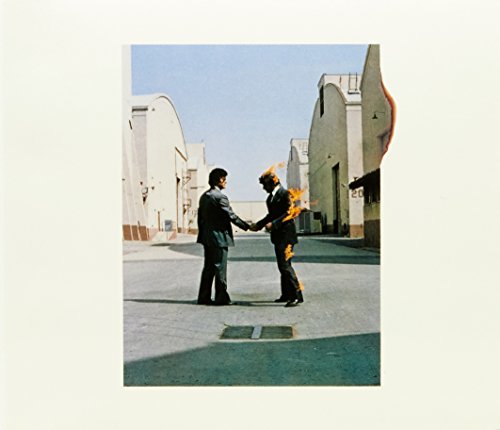
Pink Floyd’s “Shine On You Crazy Diamond” is not just one song but a nine-part work that opens and closes 1975’s Wish You Were Here, built around David Gilmour’s four-note guitar phrase and the band’s memories of Syd Barrett. Written by Gilmour, Roger Waters, and Richard Wright, the piece became one of rock’s most moving tributes to a lost friend, with the word “diamond” carrying both the brilliance Syd once had and the sadness surrounding what happened to him. Barrett famously appeared unannounced at Abbey Road while the album was being recorded, a moment that only deepened the history around the track. For the album’s 50th anniversary in 2025, Pink Floyd officially presented Parts 1 through 9 as one continuous new stereo mix, finally allowing the entire piece to play straight through as a single 25-minute work.
Read More: Top 25 Pink Floyd Songs
# 1 – Lucy In The Sky With Diamonds – The Beatles
The Beatles’ “Lucy in the Sky with Diamonds” remains one of the defining psychedelic songs of 1967, beginning with the nursery-school drawing Julian Lennon brought home and told his father was “Lucy in the sky with diamonds.” John Lennon built the song from that image with help from Paul McCartney, filling it with the kind of surreal language and Lewis Carroll-like imagery that fit perfectly inside Sgt. Pepper’s Lonely Hearts Club Band. Lennon always denied that the title was deliberately constructed as the initials LSD, although McCartney later acknowledged the obvious psychedelic and drug context surrounding songs from that period. The song found a second life when Elton John recorded it in 1974 with Lennon playing guitar and singing backing vocals under the name Dr. Winston O’Boogie; Elton’s version reached number one on the Billboard Hot 100, and Lennon later joined him onstage at Madison Square Garden for what became Lennon’s final concert appearance.
Read More: Complete List Of Fan’s Favorite Beatles Songs
Updated September 13, 2026.
10 Best Songs About Diamonds article published on ClassicRockHistory.com © 2026