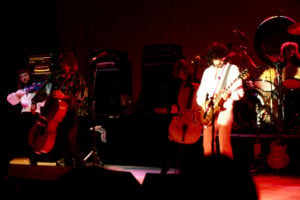
Photo: minds-eye, CC BY-SA 2.0 <https://creativecommons.org/licenses/by-sa/2.0>, via Wikimedia Commons
Chicago, also known as the Chicago Transit Authority during their early years, was one of the most groundbreaking bands of the classic rock era. It was not because they used a horn section in rock and roll music. Horn sections have infiltrated the rock and roll scene since the 1950s. Just take a listen to some of the great STAX label recordings. The early Chicago albums were groundbreaking due to the band’s innovative use of classical, jazz, and pop themes, accompanied by string and horn sections, all performed by an incredible ensemble of musicians. On top of their musicianship, the group featured vocalists who could sing their hearts out. Great harmony, superior musicianship, innovative arrangements, and, above all, incredibly well-written original melodies and changes defined one of classic rock’s all-time great bands.
The first Chicago album, Chicago Transit Authority, was released in 1969. From that point on, Chicago released a studio album every year for the entire decade of the 1970s. The band also released the famous four-record live set Chicago at Carnegie Hall in 1971. Those first three Chicago studio albums were all double-record sets. Think about that for a moment. Here was a band releasing an enormous amount of music in a very short period, and so much of it was absolutely incredible. Chicago had musicians who could play almost anything, and they were not afraid to demonstrate those abilities on their recordings.
In the 1980s, the band’s sound changed dramatically. However, commercial success continued into the 1980s. Their 1980s output featured a more slick pop-oriented sound centered around Peter Cetera’s vocal ballads. Many of the band’s big 1980s hits also featured the metallic sound of the Yamaha DX7 synthesizer. Many of the old Chicago fans were turned off by the band’s new direction. Nonetheless, the band also discovered a new following of fans as songs like “Hard Habit To Break” and “Hard To Say I’m Sorry” dominated FM pop radio.
The band continued into the 1990s, 2000s, and beyond, with long breaks between records and many personnel changes. Given the sheer volume of material, it’s impossible to compile a definitive Chicago songs list from their entire career. So we have narrowed our choices to just the material the band released during the 1970s. For many fans, this is considered Chicago’s golden period. It was tough to pick ten from just the 1970s as they released so much fantastic material. Expanding the list to twenty allows us to celebrate even more of the wonderful music this band released during its greatest decade.
But the goal of our list is to have some fun and turn young people on to a band they may not know much about. If you only know Chicago from their big 1980s ballads, you really owe it to yourself to go back and listen to those early records. They were extraordinary. We hope you enjoy our picks for the Top 20 Chicago Songs of the 1970s.
Top 20 Chicago Songs of the 1970s
# 20 – Free
We open our expanded Chicago songs list with a song that demonstrates just how hard this band could rock when they wanted to. I’ve always loved the energy of “Free.” Terry Kath’s vocal performance is fantastic, and that powerful horn section comes charging through the recording with the kind of intensity that made those early Chicago albums so exciting. Anybody who only knows the band from their beautiful ballads might be surprised by how aggressive some of their early music sounded. This was a real rock and roll band with musicians who could also play jazz at an extraordinary level.
“Free” was written by Robert Lamm and released on Chicago’s third studio album, Chicago III, in January 1971. The song appeared as part of the album’s extended “Travel Suite,” a collection of compositions that demonstrated the group’s willingness to move beyond the limitations of conventional pop songwriting. Terry Kath handled the lead vocals, and his gritty delivery was perfectly suited to the song’s driving arrangement. Released as a single, “Free” reached number twenty on the Billboard Hot 100.
What makes this recording so enjoyable is the way everything comes together. Danny Seraphine’s drumming is terrific, the horns are powerful, and Kath delivers the performance with tremendous confidence. The song may not be as famous as “25 or 6 to 4” or “Saturday in the Park,” but it’s a great example of the early Chicago sound. I think young listeners discovering the band’s catalog for the first time will be amazed by the musicianship on this one.
# 19 – Alive Again
I’ve always enjoyed “Alive Again” because it showed that Chicago could still make an exciting rock and roll record after experiencing one of the most difficult moments in the band’s history. The loss of Terry Kath in January 1978 was devastating. Kath had been such an important part of Chicago’s musical identity, both as a guitarist and a singer. There was no way the band could simply replace someone with that kind of talent. Yet when I listen to “Alive Again,” I hear a group determined to continue making music. The song has a wonderful energy, and those horns still sound fantastic.
“Alive Again” appeared on Chicago’s 1978 album Hot Streets, the first Chicago studio album recorded following Kath’s death. James Pankow wrote the song, which featured Peter Cetera and new guitarist Donnie Dacus on vocals. Dacus also supplied the guitar solo, helping introduce a different sound to the group. The single became another successful recording for Chicago, reaching number fourteen on the Billboard Hot 100.
The best part of “Alive Again” is how much it still sounds like Chicago. The horn arrangements have all the excitement of the earlier albums, and the chorus is one of those melodies that stays in your head. Of course, the group would never sound quite the same without Terry Kath, but there was still an extraordinary collection of musicians in the band. I think this recording deserves more attention because it represents an important chapter in Chicago’s history. It’s also simply a really good song.
# 18 – Harry Truman
One of the things I always loved about Chicago was that they were not afraid to write songs about subjects that had absolutely nothing to do with romance. How many rock bands in the middle of the 1970s were recording hit singles about former American presidents? Robert Lamm was certainly one of the more interesting songwriters of that period, and “Harry Truman” is a perfect example of his musical personality. The song has a wonderful nostalgic quality, and the arrangement almost sounds like something from a much earlier period of American popular music. It’s a very different type of Chicago recording, and that’s part of what makes it so enjoyable.
“Harry Truman” was written by Robert Lamm and released on the band’s 1975 album Chicago VIII. The single reached number thirteen on the Billboard Hot 100. Lamm’s lyrics expressed admiration for the former president while reflecting on the political atmosphere of the 1970s. The song arrived during a period when the United States was still dealing with the aftermath of the Watergate scandal. Chicago’s horn section and keyboards helped create an arrangement that complemented the nostalgic subject matter.
I’ve always thought the horn arrangement was one of the most enjoyable parts of this recording. It has such a playful quality, and Lamm’s vocal performance fits the song perfectly. Chicago had a tremendous ability to combine serious subjects with music that was fun to listen to. You could enjoy the melody without giving much thought to the lyrics, but if you paid attention, there was usually something interesting going on underneath. “Harry Truman” is one of those Chicago songs that deserves another listen.
# 17 – Another Rainy Day in New York City
Being a New Yorker, I have always had a soft spot for songs that mention New York City in their titles. “Another Rainy Day in New York City” is one of those Chicago recordings that doesn’t always get mentioned when people talk about the band’s greatest hits, but I’ve always enjoyed it. The song has a beautiful melody, and the arrangement captures a certain feeling that works perfectly with the title. I love the way Chicago could make a song sound relaxed without sacrificing the wonderful musicianship that made the group so special.
“Another Rainy Day in New York City” was written by Robert Lamm and released on Chicago’s 1976 album Chicago X. The single reached number thirty-two on the Billboard Hot 100 and climbed to number two on Billboard’s Adult Contemporary chart. The recording featured Peter Cetera on lead vocals, supported by the band’s familiar instrumentation and carefully arranged harmonies. The song appeared on the same album that gave Chicago its first number-one American single, “If You Leave Me Now.”
What makes this recording special to me is its atmosphere. There’s something about the rhythm and the melody that makes the song feel like a little musical postcard from the city. Chicago had already established itself as one of the most technically accomplished bands in popular music, but recordings like this demonstrated how well the group could handle a relatively straightforward pop composition. It doesn’t need an extended instrumental solo or a complicated arrangement to make an impression. Sometimes a beautiful melody and a great performance are all you need.
# 16 – Baby, What a Big Surprise
Peter Cetera wrote some absolutely magnificent melodies during his years with Chicago. “Baby, What a Big Surprise” is one of my favorites from the second half of the 1970s. I love the way the song opens so gently before gradually developing into a much larger arrangement. Cetera’s voice sounds fantastic, and the melody is one of those that seems to stay with you long after the record has finished playing. Chicago had become very successful at recording beautiful ballads by this point, but the quality of the songwriting was still extraordinary.
“Baby, What a Big Surprise” was written by Peter Cetera and released on Chicago’s 1977 album Chicago XI. The single reached number four on the Billboard Hot 100, becoming another enormous hit for the band. The arrangement combined the group’s familiar rock instrumentation with orchestral elements that gave the recording a beautiful, sweeping quality. It was also one of the final major hit singles released by the original Chicago lineup before Terry Kath’s death in January 1978.
I’ve always thought this song demonstrated just how talented Chicago was at creating sophisticated pop recordings. The arrangement never becomes overwhelming, even when the orchestration begins to build. Everything supports Cetera’s vocals and that wonderful melody. There were certainly fans who preferred the group’s heavier jazz-rock material, but it’s difficult to argue with the quality of a composition like this. Chicago could play the most complicated music imaginable, but they also knew how to write a great love song.
# 15 – Old Days
Every time I hear “Old Days,” I can’t help but smile. This is one of those Chicago songs that simply makes you feel good. The melody is wonderful, the horns are fantastic, and Peter Cetera delivers a great vocal performance. I’ve always loved songs that celebrate memories of growing up, especially when the music itself sounds like a celebration. There’s something wonderfully nostalgic about this recording, and I think it captures the spirit of the mid-1970s perfectly. Chicago had such a gift for making sophisticated music sound like it was effortless.
“Old Days” was written by James Pankow and released on the band’s 1975 album Chicago VIII. The song became one of Chicago’s biggest singles of the year, reaching number five on the Billboard Hot 100 and number three on the Adult Contemporary chart. The lyrics reference popular entertainment and memories from an earlier era, giving the recording a nostalgic quality. Pankow’s horn arrangements also played a major role in creating the song’s upbeat atmosphere.
What I love most about “Old Days” is the way the band attacks the arrangement. Those horns sound incredible, and the rhythm section gives the recording a wonderful bounce. It’s the kind of song that you can turn up in the car and immediately feel better. I also think it demonstrates what made Chicago different from so many other successful pop bands. The instrumental arrangements were always an important part of the compositions. They weren’t just playing chords behind a singer. Every musician had something meaningful to contribute.
# 14 – (I’ve Been) Searchin’ So Long
There are certain Chicago songs that I think are absolutely perfect examples of what made the band so extraordinary during the 1970s. “(I’ve Been) Searchin’ So Long” is one of them. I love the way the recording begins with such a beautiful, almost delicate atmosphere before gradually building into something much more powerful. Peter Cetera’s vocal performance is magnificent, and the arrangement is filled with those wonderful musical changes that Chicago seemed to create so effortlessly. This is one of those recordings that really deserves to be heard through a good pair of headphones.
“(I’ve Been) Searchin’ So Long” was written by James Pankow and appeared on the band’s 1974 double album Chicago VII. The single reached number nine on the Billboard Hot 100. The recording featured Peter Cetera on lead vocals and combined the group’s familiar horns with orchestral arrangements that helped create its dramatic musical progression. The song was another example of Chicago’s ability to turn an ambitious composition into a successful pop single.
What makes this one so special is the way the arrangement keeps changing. Just when you think the song has settled into a particular groove, something else happens. The instruments begin building, the vocals become more intense, and the entire recording takes on a different musical character. I’ve always admired songwriters who understand how to develop a composition rather than simply repeating the same verse and chorus. James Pankow was especially good at that, and “(I’ve Been) Searchin’ So Long” remains one of his finest achievements.
# 13 – Call on Me
“Call on Me” is another one of those wonderful Chicago songs that instantly takes me back to the sound of 1970s AM radio. I love the melody, the rhythm, and especially the way the horn section moves through the arrangement. Chicago made so many terrific records during this period that it’s almost impossible to pick favorites. What has always impressed me about the band is that they had several musicians capable of writing hit songs. This one came from trumpet player Lee Loughnane, proving that the songwriting talent in Chicago extended far beyond Robert Lamm, Peter Cetera, and James Pankow.
“Call on Me” was written by Lee Loughnane and released on the band’s 1974 album Chicago VII. The song featured Peter Cetera on lead vocals and became another major radio hit, reaching number six on the Billboard Hot 100 and number one on Billboard’s Adult Contemporary chart. It was one of several successful singles from an album that demonstrated the band’s ability to balance ambitious instrumental music with beautifully written pop songs.
I’ve always enjoyed the relaxed groove of this recording. The horns sound absolutely fantastic, but they never overwhelm the melody. Everything fits together perfectly. That’s one of the things that made Chicago such a remarkable band. They had musicians who were capable of playing incredibly complicated arrangements, yet they understood when to hold back and simply let a great song shine. “Call on Me” is a wonderful example of that ability.
# 12 – If You Leave Me Now
There was a time in the mid-1970s when you simply couldn’t turn on the radio without hearing Chicago’s “If You Leave Me Now.” And you know what? I never got tired of it. Peter Cetera wrote a magnificent melody, and his vocal performance was absolutely beautiful. I’ve always loved the way the orchestral arrangement surrounds the song without ever overpowering it. This is one of those recordings that demonstrates how much emotion can be communicated through a great melody and a carefully constructed arrangement.
“If You Leave Me Now” was written by Peter Cetera and released on the band’s 1976 album Chicago X. The single became Chicago’s first number-one hit on the Billboard Hot 100 and also reached number one in the United Kingdom. The recording earned Grammy Awards for Best Pop Vocal Performance by a Duo, Group or Chorus and Best Arrangement Accompanying Vocalist(s). Its success helped introduce the band to an even larger international audience.
What makes this song so special is its elegance. The strings, acoustic guitar, French horns, and Cetera’s beautiful vocals all work together to create an unforgettable recording. I know some Chicago fans prefer the harder-rocking material from the band’s earlier albums, and I certainly understand that opinion. But great songwriting is great songwriting, regardless of whether the arrangement features a roaring electric guitar or a beautiful string section. “If You Leave Me Now” is one of the finest pop ballads of the 1970s.
# 11 – Just You ‘n’ Me
Just missing our top ten is another one of those fantastic Chicago songs that dominated the radio during the early 1970s. “Just You ‘n’ Me” has always been one of my favorite examples of the band’s ability to combine an absolutely beautiful melody with a fantastic horn arrangement. I love Peter Cetera’s vocal performance, and the chorus is one of the most memorable the band ever recorded. There’s something about those early Chicago records that just brings me back to a wonderful period in popular music. The songs were terrific, and the musicianship was on another level entirely.
“Just You ‘n’ Me” was written by James Pankow and released on the band’s 1973 album Chicago VI. The single reached number four on the Billboard Hot 100, becoming another substantial commercial success for Chicago. Peter Cetera handled the lead vocals, while Pankow’s horn arrangements gave the recording its distinctive musical personality. The song was one of two major hits from Chicago VI, along with “Feelin’ Stronger Every Day.”
What I enjoy most about “Just You ‘n’ Me” is how perfectly everything fits together. The melody is strong enough to stand on its own, but the arrangement takes the song to another level. Chicago had this extraordinary ability to make relatively sophisticated music sound completely natural on the radio. The musicians were obviously having a great time performing together, and that energy comes through in the recording. It’s a wonderful song and a perfect choice to bring us into our original top ten.
# 10 – Dialogue Part I & II

The perfect way to open up our original Top 10 Chicago songs list is with the great duet between Peter Cetera and Terry Kath. The song was written by Robert Lamm, who joins in on the vocals in the second part of the song. “Dialogue Part I & II” was released on Chicago V in 1972. The song was issued as a single in an edited version. The song also featured Danny Seraphine on drums, Jimmy Pankow on trombone, Lee Loughnane on trumpet, and Walt Parazaider on tenor saxophone. This was the band Chicago!
I’ve always thought this was one of the most interesting recordings Chicago ever released. The two singers portray characters with completely different attitudes toward the world around them. Terry Kath’s character is concerned about society and the problems facing the country, while Peter Cetera’s character seems much less interested in becoming involved. Robert Lamm created a fascinating musical conversation, and the band’s performance makes the entire piece incredibly entertaining.
What I love most about “Dialogue” is the way the music changes as the composition progresses. The second part becomes an enormous celebration of those fantastic Chicago horns, and the entire band sounds incredible. This was a group of musicians who could take a complicated musical idea and turn it into a recording that was both exciting and accessible. It’s one of my favorite examples of the original Chicago lineup working at its very best.
# 9 – Feelin’ Stronger Every Day

Chicago VI was released in 1973. The album featured two massive hits sung by Peter Cetera. These songs are outstanding records that are so well written, sung, and performed that it is impossible to choose between them. Popular music does not get better than this. “Feelin’ Stronger Every Day” and “Just You ‘n’ Me” were both associated with Chicago’s James Pankow, with “Feelin’ Stronger Every Day” co-written by Peter Cetera.
Released as a single in 1973, “Feelin’ Stronger Every Day” reached number ten on the Billboard Hot 100. The song begins with a beautiful melody before gradually developing into one of the most exciting endings Chicago ever recorded. Peter Cetera delivers a fantastic vocal performance, and the band’s instrumental arrangement becomes more powerful as the song progresses.
I’ve always loved the way this recording builds. Just when you think the song is coming to an end, the band takes everything to another level. Terry Kath’s guitar playing is magnificent, Danny Seraphine’s drums drive the rhythm, and the horns sound absolutely incredible. Chicago could really rock when they wanted to, and this is one of the greatest examples of that side of the band. It’s a wonderful recording that I never get tired of hearing.
# 8 – Saturday In The Park
Can anyone imagine a happier song than “Saturday In The Park?” Just the opening piano part of the tune makes you want to jump up and dance through the park, eating a cream cheese bagel and drinking a cold lemonade. This song was constantly played on the radio in the early 1970s, and we never got sick of it. Chicago’s “Saturday In The Park” was released on the Chicago V album. The song was written by Robert Lamm, who also sang the lead vocal on the verses. Peter Cetera sang lead in between the verses. Lamm’s and Cetera’s harmonies were to die for on this one.
“Saturday in the Park” became one of Chicago’s biggest hits when it was released as a single in 1972. The song reached number three on the Billboard Hot 100 and helped make Chicago V another enormous success. Robert Lamm drew inspiration for the composition from watching people enjoy themselves in New York City’s Central Park. The recording captured that wonderful feeling of being outside on a beautiful summer afternoon.
I’ve always thought the piano introduction was one of the happiest openings in popular music. The moment you hear those first notes, you know exactly what’s coming. Then those fantastic Chicago horns enter the picture, and the recording becomes even more enjoyable. It’s one of those songs that can put you in a good mood no matter what’s going on around you. Chicago recorded so much incredible music during the 1970s, but few of their songs captured pure happiness quite like “Saturday in the Park.”
# 7 – Wishing You Were Here
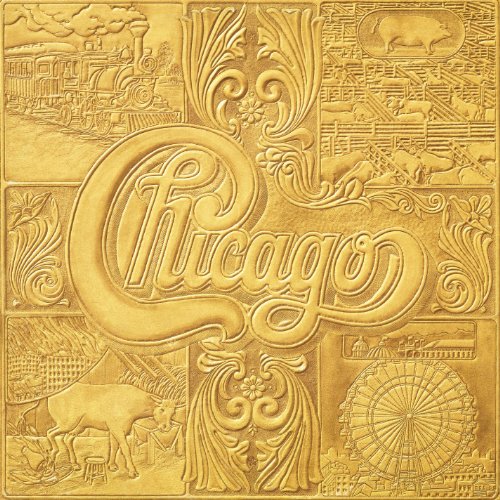
Mentioning the beautiful harmonies in “Saturday in the Park” instantly brought to mind perhaps the most beautifully harmonized performance of all the Chicago songs released in the 1970s. In the seventies, Chicago shared two double bills with The Beach Boys. Attending a Chicago / Beach Boys concert was almost a rite of passage for many teens in the 1970s. The beautiful Chicago ballad “Wishing You Were Here” appeared on the double album Chicago VII in 1974. The song featured The Beach Boys on backing vocals, making it one of the deepest Chicago songs the band ever released from a harmony standpoint. It doesn’t get any better than listening to Peter Cetera, Terry Kath, Al Jardine, Carl, and Dennis Wilson sing in beautiful harmony.
“Wishing You Were Here” was written by Peter Cetera and released as a single in 1974. The song reached number eleven on the Billboard Hot 100 and topped Billboard’s Adult Contemporary chart. The participation of members of the Beach Boys gave the recording a beautiful vocal texture that made it stand apart from many of Chicago’s other ballads.
I’ve always been a huge admirer of great vocal harmonies, and this recording is about as good as it gets. The blend of Chicago and the Beach Boys is absolutely magnificent. The melody is beautiful enough on its own, but when those voices come together, the song becomes something extraordinary. I think it’s one of the most underrated ballads of the entire decade. If you love vocal harmonies, this is a recording you really need to spend some time listening to.
# 6 – Make Me Smile

The remaining six songs on this Chicago songs list all stem from the band’s first two albums. Chicago blew out of the gate with a series of incredible two-record sets. The band’s first three albums were two-record sets; their fourth album was a live four-record set. It wasn’t until Chicago V that the band released a single-record studio album. The band had so much talent and couldn’t contain the many great tracks they were recording. These last Chicago songs really could be arranged in any order. They are all masterpieces. “Make Me Smile” appeared on Chicago’s second record, just titled Chicago, commonly known as Chicago II.
“Make Me Smile” was written by James Pankow and appeared as part of the extended “Ballet for a Girl in Buchannon” suite. Terry Kath delivered the lead vocal performance, and what an incredible performance it was. The song was released as a single in 1970 and became Chicago’s first American top-ten hit, reaching number nine on the Billboard Hot 100.
I’ve always thought Terry Kath had one of the most underrated voices in classic rock. Everyone talks about his incredible guitar playing, and rightfully so, but the man could really sing. His performance on “Make Me Smile” is filled with so much soul and emotion. Then you have those magnificent horn arrangements and the wonderful instrumental passages that made Chicago such a distinctive band. It’s a masterpiece of songwriting, arranging, and performance.
# 5 – Colour My World
Sales and airplay charts track every album and single released by any significant band on any major label. However, there do not seem to be any charts that track how many times a song was used in a couple’s first dance at their wedding. If there were, “Colour My World” would be high on that chart. Along with Billy Joel’s “Just The Way You Are” and Eric Clapton’s “Wonderful Tonight,” Chicago’s “Colour My World” was one of the most popular songs played at wedding receptions.
It’s a beautiful song that every beginning piano player and amateur has tried playing on the piano. The song’s heartfelt vocal and flute solo was one for the ages.
“Colour My World” was written by James Pankow and appeared on Chicago II in 1970 as part of the “Ballet for a Girl in Buchannon” suite. Terry Kath performed the lead vocal, while Walt Parazaider played the unforgettable flute solo. The recording also became familiar to radio audiences through its appearance as the B-side of Chicago’s hit singles “Make Me Smile” and “Beginnings.”
I’ve always loved the simplicity of this recording. Chicago was capable of playing some of the most complicated arrangements imaginable, yet here they created something so beautiful with a piano, a vocal, and that magnificent flute solo. Terry Kath sings with such emotion, and the melody is absolutely wonderful. It’s one of those songs that proves you don’t need a big production to make a lasting impression. Sometimes the simplest recordings are the ones that stay with us forever.
# 4 – Does Anybody Really Know What Time It Is?

A popular political saying in the 1960s was “Do you know what time it is?” or “I know what time it is.” The sayings were tied to the Civil Rights Movement and the Vietnam War protest movements. You could not be a serious rock band or artist in the 1960s and not be affected by the decade’s turmoil. Artists like Bob Dylan, Jefferson Airplane, and Neil Young responded to the times in direct messages that were as clear as the light of day.
Other artists responded in a more vague sense, yet they still responded. Was Chicago’s “Does Anybody Really Know What Time It Is?” a political song? That’s up to you to decide. One thing is sure: it was a brilliant piece of music.
“Does Anybody Really Know What Time It Is?” was written by Robert Lamm and originally appeared on Chicago’s 1969 debut album Chicago Transit Authority. The recording became a major hit when released as a single in 1970, reaching number seven on the Billboard Hot 100. Lamm delivered the lead vocals, and the song featured one of the band’s most recognizable piano introductions and some absolutely fantastic horn arrangements.
What I love most about this recording is the way it demonstrates how inventive Chicago was during those early years. The song doesn’t follow the most predictable pop structure, yet the melody is so memorable that it became a major radio hit. The piano playing is wonderful, the horns are incredible, and the entire arrangement has a sophistication that very few rock bands could match. Chicago was doing things that other groups simply weren’t capable of doing, and this recording remains one of their finest achievements.
# 3 – Beginnings
The band’s first album was labeled Chicago Transit Authority. The band dropped the Transit Authority part of the name on the second album following objections involving the actual Chicago Transit Authority. Nonetheless, it didn’t matter what you called the band on their first album because that first record was jaw-dropping. The success of Blood, Sweat & Tears helped demonstrate that there was an audience for rock bands incorporating jazz instrumentation and horn arrangements. However, Chicago’s sound was a little different from Blood, Sweat & Tears and groundbreaking in its own way.
Chicago’s first album did not light the charts up initially, but eventually proved more popular after the release of their second album. The song “Beginnings” was the second single released from the album in 1969. It did not chart well at first, but did much better when it was later re-released as a single in 1971.
“Beginnings” was written by Robert Lamm and remains one of the band’s most beloved recordings. The original album version runs for more than seven minutes, allowing the musicians to develop the composition through extended instrumental passages. The single reached number seven on the Billboard Hot 100 in 1971, becoming another important success for the group.
I’ve always loved the way “Beginnings” starts with those beautiful guitars and vocals before gradually developing into something much more powerful. The harmonies are absolutely wonderful, and the extended percussion section near the end of the recording is one of my favorite moments on any early Chicago album. The song just keeps building, and you never want it to end. Chicago had so many incredible musicians, and this recording gives everyone an opportunity to shine. It’s a beautiful piece of music from beginning to end.
# 2 – Questions 67 & 68
“Questions 67 & 68” was the first single released from the band’s first album, Chicago Transit Authority. Like the other two singles released from the album, “Does Anybody Really Know What Time It Is?” and “Beginnings,” the song became a bigger hit when it was reissued later. The band was considered more FM album rock-based than AM pop radio-friendly. But that would change quickly when Chicago II was released. “Questions 67 & 68” was the first single the band Chicago ever released. It is one of the most exciting Chicago songs in the band’s stellar catalog.
Written by Robert Lamm, “Questions 67 & 68” featured Peter Cetera on lead vocals. The song originally appeared on the band’s 1969 debut album and was later reissued as a single in 1971, reaching number twenty-four on the Billboard Hot 100. The recording combined the group’s wonderful vocal harmonies with a spectacular horn arrangement and the powerful rhythm section that defined the original Chicago lineup.
I’ve always thought the opening of this recording was absolutely incredible. Those horns come charging out of the speakers, and then Peter Cetera delivers one of his greatest early vocal performances. The entire song is filled with wonderful musical changes, and Terry Kath’s guitar playing gives the recording even more excitement. This was Chicago at its very best, combining great songwriting with musicianship that few other bands could match. I can listen to “Questions 67 & 68” a hundred times and still find something new to enjoy.
# 1 – 25 or 6 to 4
Chicago’s second album was released on January 26, 1970. Like their debut album, Chicago’s sophomore album was a two-record set. Three of the songs that we included in our original Top 10 Chicago songs list were issued on Chicago II. What’s more relevant about Chicago’s second album was its impact on the music industry, how it revitalized their first record, and how it turned the band Chicago into a household name for decades.
The breakthrough song for the band was the second single released from the album, “25 or 6 to 4.” The song became the band’s first top-five hit, reaching number four on the Billboard Hot 100 in 1970. Peter Cetera sang the lead vocals on the song. Robert Lamm wrote the song. It’s tough to choose the top spot, but because of the song’s impact and the countless musicians who have played that iconic riff on their guitars, “25 or 6 to 4” is our choice for the number one spot on our Top 20 Chicago Songs of the 1970s list.
I’ve always thought Terry Kath’s guitar playing on this recording was absolutely incredible. That opening riff is one of the most recognizable in classic rock history, and the guitar solo is a masterpiece. Then you have Danny Seraphine’s powerful drumming, Peter Cetera’s fantastic vocal performance, and those magnificent Chicago horns. There was simply nobody else making records that sounded quite like this during the early 1970s.
Robert Lamm wrote the song about trying to write music during the early morning hours. The title refers to the time being twenty-five or twenty-six minutes before four o’clock. Over the years, all kinds of strange interpretations of the lyrics have appeared, but the story behind the title is much simpler than some of those theories suggest.
What makes “25 or 6 to 4” so special is that everything Chicago did well comes together in one recording. The musicianship is extraordinary, the arrangement is exciting, and the melody is unforgettable. I don’t think there are too many rock and roll songs from the 1970s that can match the sheer power of this performance. Chicago released an incredible amount of wonderful music during the decade, but for me, this remains the ultimate Chicago recording. It’s a perfect choice to finish our celebration of one of classic rock’s greatest bands.
Check out similar articles on ClassicRockHistory.com. Just click on any of the links below.
Read More: Top 10 Blood, Sweat & Tears Songs
Read More: Top 10 Beach Boys Songs
Read More: Classic Rock Bands List And Directory
Updated November 16, 2026
Top 20 Chicago Songs of the 1970s article published on ClassicRockHistory.com © 2026