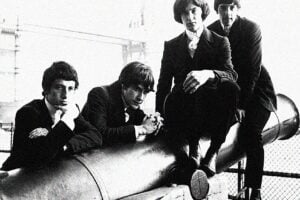
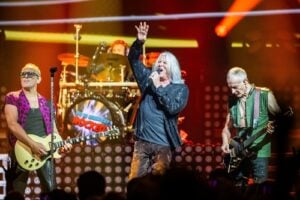
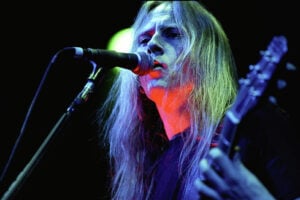
Feature Photo Derek Redmond and Paul Campbell, CC BY-SA 3.0 <http://creativecommons.org/licenses/by-sa/3.0/>, via Wikimedia Commons
Sweetwater emerged from the vibrant, eclectic coffeehouse scene of Los Angeles in 1967, bringing together a group of musicians whose diverse backgrounds mirrored the melting pot of the era. The ensemble was composed of lead singer Nanci Nevins, cellist August Burns, flutist Albert Moore, keyboardist Alex Del Zoppo, bassist Fred Herrera, percussionist Elpidio Cobian, and drummer Alan Malarowitz. Their sound was a pioneering fusion of psychedelic rock, jazz, folk, and classical elements, which stood out even in the experimental atmosphere of the late sixties. By blending traditional rock instrumentation with the haunting textures of the flute and cello, they established a sonic identity that was both sophisticated and earthy; this unique approach quickly caught the attention of industry scouts, leading to a contract with Reprise Records.
The band secured a permanent place in rock history by being the first group to perform at the legendary Woodstock Festival in 1969. Although they were originally scheduled to open the event, transportation issues delayed their arrival, and they ultimately took the stage as the first ensemble to play after the solo opening act. This performance, featuring songs like “Motherless Child” and “What’s Wrong,” showcased Nevins’ powerful, soulful vocals and the band’s intricate arrangements to an audience of hundreds of thousands. Despite the technical challenges of the festival, their appearance cemented their status as a quintessential act of the counterculture movement, and they were frequently booked alongside major contemporaries like The Doors, Eric Burdon and the Animals, and Frank Zappa.
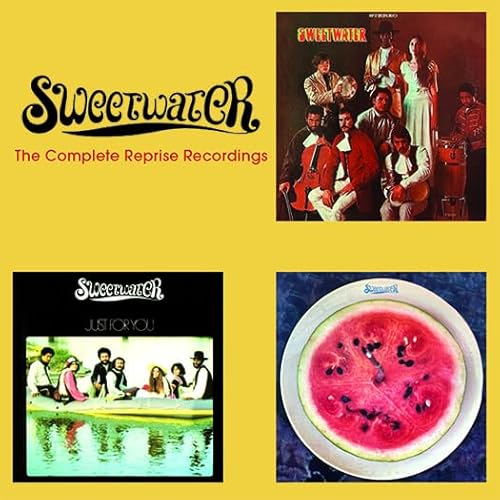
Throughout their initial run, the group released three influential studio albums: their self-titled debut, Sweetwater, in 1968, followed by Just for You in 1970 and Melody in 1971. Their discography is defined by a refusal to adhere to a single genre, moving seamlessly from the driving rhythms of “In a Rainbow” to the introspective folk melodies of “My Crystal Spider.” While they did not achieve massive commercial success on the singles charts, their work was highly respected by critics and peers alike for its technical proficiency and emotional depth. The band’s trajectory was tragically altered in December 1969 when Nanci Nevins was severely injured in a car accident involving a drunk driver, which left her with a paralyzed vocal cord and significant brain trauma.
The band’s resilience extended beyond their collective musical output as they navigated the industry without their original frontwoman at full strength. Nevins eventually returned to record parts of the later albums, but the group’s momentum had been fractured by the accident. Despite these hardships, Sweetwater is remembered with deep affection for their role as innovators who bridged the gap between folk-rock and symphonic experimentation. Their legacy was revitalized in 1999 with the VH1 television film Sweetwater: A True Rock Story, which brought their story to a new generation of listeners. This resurgence led to a reunion in which original members performed together once again, proving that their bond and music possessed a timeless quality.
Outside the recording studio and the concert stage, the members of Sweetwater pursued various creative and professional endeavors that broadened their impact on the arts. Albert Moore served as a teacher, sharing his musical knowledge with younger generations; meanwhile, Fred Herrera and Alex Del Zoppo remained active in the Los Angeles session scene and various production projects. Nanci Nevins transitioned into a career as a college professor, teaching English and writing at several institutions including Glendale Community College. Her journey through recovery also led her to work with organizations focused on traumatic brain injury awareness and sobriety, utilizing her personal story to advocate for others facing similar physical and vocational challenges.
# 10 – Song For Romeo
We open our Sweetwater songs list with a deep track from the band’s second album, Just For You, released in 1971.
# 9 – Get It While You Can
The song “Get It While You Can” was the opening track to the band’s third album Melon released in 1971. You can really hear a difference in the group at that point compared to the debut album.
# 8 – Come Take A Walk
This is the first of many songs from the band’s debut album, which really defines what this band was all about before all the tragedies began.
# 7 – In A Rainbow
This is one of the most heartfelt, beautiful recordings the band ever released.
# 6 – For Pete’s Sake
A lot of people really like this one. It’s a great instrumental that was very much a product of its time.
# 5 – Just For You
After the release of their debut album and the events that have unfolded, it was pretty much a struggle to put out more music. This is one of the better tracks.
# 4 – My Crystal Spider
It’s a thrill to be able to watch this from the most significant cultural event in Rock and Roll history.
# 3 – Motherless Child
This very well may be the greatest version of this song ever recorded.
# 2 – What’s Wrong
This one just groves.
# 1 – Why Oh Why
There were many songs we could have put out number one here,e but there’s just something special about this one, and I love the video, especially when they go into the department store, and the keyboard player is already there playing the Fender Rhodes.

Check out similar articles on ClassicRockHistory.com Just click on any of the links below……
Read More: Artists’ Interviews Directory At ClassicRockHistory.com
Read More: Classic Rock Bands List And Directory
Read More: 100 Essential Albums From The 1960s That Everyone Should Own
Top 10 Sweetwater Songs article published on ClassicRockHistory.com© 2026
Classicrockhistory.com claims ownership of all its original content and Intellectual property under United States Copyright laws and those of all other foreign countries. No one person, business, or organization is allowed to re-publish any of our original content anywhere on the web or in print without our permission. All photos used are either public domain Creative Commons photos or licensed officially from Shutterstock under license with ClassicRockHistory.com. All photo credits have been placed at the end of the article. Album Cover Photos are affiliate links and the property of Amazon and are stored on the Amazon server. Any theft of our content will be met with swift legal action against the infringing websites.