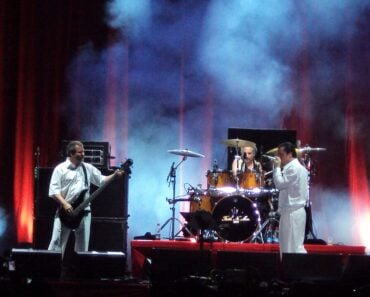
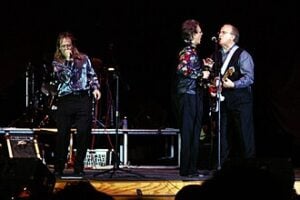
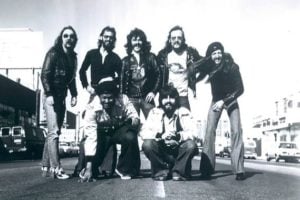
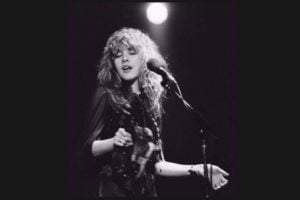
Feature Photo: AVRO, Klaus Hiltscher, CC BY-SA 3.0 <https://creativecommons.org/licenses/by-sa/3.0>, via Wikimedia Commons
Thin Lizzy was formed in 1969 in Dublin, Ireland, and became one of the most influential rock bands of the 1970s and 1980s. Known for their twin-guitar attack, powerful rhythm section, and unique blend of hard rock and Irish folk influences, the band gained global success with hits like “The Boys Are Back in Town” and “Whiskey in the Jar.” Throughout their career, they released several albums, including Nightlife (1974), Jailbreak (1976), and Thunder and Lightning (1983). Thin Lizzy underwent multiple lineup changes before the original-era band broke up in 1983, three years before frontman Phil Lynott died in 1986. The Thin Lizzy name later returned for reunion and touring lineups, while the band’s music continued to influence artists across rock and metal.
The band’s lineup shifted several times over the years, with notable members such as guitarists Gary Moore, Scott Gorham, and Brian Robertson contributing to the band’s sound. Thin Lizzy was one of the pioneers of hard rock and influenced many bands that followed, particularly in the metal and classic rock scenes. Despite breakups and changes in membership, Thin Lizzy remains a legendary band in rock history, with several of their albums still celebrated today. Their story was also marked by tragedy, particularly the death of Lynott and the later deaths of several other former members. Thin Lizzy’s legacy has continued through reunion-era performances, archival releases, and the lasting influence of the band’s catalog.
The members of Thin Lizzy have had individual successes both within and outside of the band, with many continuing to perform and contribute to the rock scene. Below is a detailed account of Thin Lizzy members from the original band through its later touring lineups.
Phil Lynott
Phil Lynott was the founding bassist, lead vocalist, and primary songwriter of Thin Lizzy, and his contributions to the band are immeasurable. Lynott formed Thin Lizzy in 1969 and remained with the band until its breakup in 1983, contributing from the band’s debut single, “The Farmer” (1970), through the final studio album, Thunder and Lightning (1983). His soulful voice and storytelling abilities were defining elements of the band’s music. Lynott’s songwriting encompassed a wide range of topics, including Irish culture, personal struggles, and relationships. He played bass and occasionally guitar and keyboards, creating the foundation for many of the band’s most iconic tracks, such as “The Boys Are Back in Town” and “Whiskey in the Jar.” After Thin Lizzy disbanded, Lynott continued his solo career, but his life was tragically cut short when he died in 1986. His influence remains significant, and Thin Lizzy’s music continues to resonate with fans worldwide.
Brian Downey
Brian Downey was the drummer and one of the founding members of Thin Lizzy, contributing to the band’s sound from 1969 until 1983. Downey’s steady and inventive drumming style formed the backbone of Thin Lizzy’s music, helping to create the groove-driven sound that became a hallmark of the band’s hard rock style. He played on all of Thin Lizzy’s original studio albums, including Jailbreak (1976) and Thunder and Lightning (1983), and was known for his ability to adapt to the band’s evolving sound over the years. Downey was a key part of the band’s live performances, delivering powerful, tight rhythms. After Thin Lizzy disbanded, Downey continued to perform and collaborate with various musicians. He later returned to Thin Lizzy for reunion-era lineups from 1996 to 1998 and again from 2010 to 2013.
Eric Bell
Eric Bell was the original guitarist for Thin Lizzy and played a significant role in shaping their early sound. He joined the band in 1969 and remained until the end of 1973. Bell’s guitar playing was featured on Thin Lizzy’s first three studio albums, Thin Lizzy (1971), Shades of a Blue Orphanage (1972), and Vagabonds of the Western World (1973). He was part of the band’s early experiments with hard rock and Irish folk influences, and his guitar work helped establish the musical identity from which Thin Lizzy later developed. After leaving Thin Lizzy, Bell continued performing and recording, and he later returned as a guest during the band’s 1983 farewell period. His time in the band remains an important chapter in Thin Lizzy’s history.
Eric Wrixon
Eric Wrixon was the original keyboardist for Thin Lizzy, contributing to their sound during the band’s formative years. He was a member of the band from 1969 to 1970 and played on their debut single, “The Farmer” (1970). Wrixon’s time with the band was short, but his keyboard work was part of Thin Lizzy’s earliest lineup. After leaving Thin Lizzy, Wrixon continued his career in music and later worked again with members of Them. He died in 2015, but his contribution to the formation of Thin Lizzy remains an important part of the band’s history.
Gary Moore
Gary Moore was a guitarist for Thin Lizzy during several periods in 1974, 1977, and 1978-1979. Moore first joined after Eric Bell’s departure and contributed guitar to “Still in Love with You” on Nightlife (1974). He returned as a touring replacement for Brian Robertson in 1977, then joined again in 1978 and became a major part of Black Rose: A Rock Legend (1979). Moore’s fiery, blues-infused guitar playing brought another dimension to Thin Lizzy’s sound, and he also returned as a guest during the band’s 1983 farewell concerts. After leaving Thin Lizzy, Moore had a successful solo career, releasing acclaimed albums such as Still Got the Blues (1990). His death in 2011 was a significant loss to the rock world, but his legacy as one of the greatest guitarists of his generation lives on.
Andy Gee
Andy Gee briefly joined Thin Lizzy as a touring guitarist in 1974 after Gary Moore left the band. Gee and fellow guitarist John Du Cann were brought in for a German tour, creating a temporary two-guitar lineup before Scott Gorham and Brian Robertson joined later that year. Although Gee did not appear on a Thin Lizzy studio album, his short tenure came during an important transitional period as the band moved toward the twin-guitar approach that would soon become central to its sound. He later continued working as a musician and in music publishing.
John Du Cann
John Du Cann, also known as John Cann, briefly toured with Thin Lizzy in 1974. He joined alongside Andy Gee after Gary Moore’s departure and played guitar during the band’s German dates. Du Cann was already known for his work with bands including Atomic Rooster, and his time with Thin Lizzy was limited to this transitional touring period. He did not appear on a Thin Lizzy studio album, but he was part of the short-lived lineup that preceded the arrival of Scott Gorham and Brian Robertson. Du Cann died in 2011.
Scott Gorham
Scott Gorham was a guitarist for Thin Lizzy from 1974 to 1983, contributing to the band’s defining sound during their most successful years. Gorham’s twin-guitar harmonies with Brian Robertson became a signature element of Thin Lizzy’s music, particularly on albums like Jailbreak (1976) and Live and Dangerous (1978). His work on songs like “The Boys Are Back in Town” and “Emerald” became iconic. Gorham remained with the band through multiple lineup changes and was a key member of Thin Lizzy’s success in the 1970s and early 1980s. He returned when Thin Lizzy was reactivated in 1996 and remained central to its reunion-era lineups through the band’s 2019 festival performances. Gorham also became a founding member of Black Star Riders, which grew out of the 2010s Thin Lizzy lineup.
Brian Robertson
Brian Robertson was a guitarist for Thin Lizzy from 1974 to 1978, with an interruption during 1977. Robertson was instrumental in developing Thin Lizzy’s sound, particularly through his distinctive guitar solos and harmonies with Scott Gorham. His contributions to Nightlife (1974), Jailbreak (1976), and Live and Dangerous (1978) helped define the band’s sound during its most successful period. Robertson’s guitar work was a key part of the band’s twin-guitar attack, which became a hallmark of their style. After leaving Thin Lizzy, Robertson went on to form Wild Horses and later joined Motörhead. He also appeared as a guest during Thin Lizzy’s 1983 farewell concerts. The 2009 release Still Dangerous features Robertson with Thin Lizzy in a concert recorded at Philadelphia’s Tower Theatre in 1977.
Mark Nauseef
Mark Nauseef briefly played drums with Thin Lizzy in 1978 when Brian Downey took a break from touring. Nauseef joined a lineup that also included Phil Lynott, Scott Gorham, and Gary Moore for the band’s late-1978 tour. His tenure was short, and Downey returned before the recording of Black Rose: A Rock Legend. Nauseef went on to work with numerous rock and experimental musicians and had already played with the Ian Gillan Band before joining Thin Lizzy.
Midge Ure
Midge Ure joined Thin Lizzy as a temporary guitarist in 1979 after Gary Moore left during a North American tour. Ure learned the band’s material quickly and helped Thin Lizzy complete the dates. Later in 1979 he moved to keyboards when guitarist Dave Flett joined for the Japanese tour, and Ure continued to appear with Thin Lizzy into early 1980. His time with the band was brief because he had already committed to joining Ultravox. Ure later became internationally known as Ultravox’s frontman and for his solo career.
Dave Flett
Dave Flett joined Thin Lizzy as a temporary guitarist for the band’s 1979 Japanese tour. Formerly a member of Manfred Mann’s Earth Band, Flett joined Phil Lynott, Brian Downey, Scott Gorham, and Midge Ure for the dates, with Ure moving to keyboards for part of the set. Flett’s time in Thin Lizzy was short and did not include a studio album. He was replaced as the band moved into its next permanent lineup with Snowy White on guitar.
Snowy White
Snowy White joined Thin Lizzy in 1980 and played guitar on the albums Chinatown (1980) and Renegade (1981). His smooth, blues-inspired guitar playing added a new dimension to Thin Lizzy’s sound during his tenure. White’s contributions helped shape the band’s sound during a period of transition, and he remained with Thin Lizzy until 1982. After leaving the band, White had a successful solo career and worked with artists including Peter Green and Roger Waters. His time with Thin Lizzy remains an important part of the band’s evolving sound in the early 1980s.
Darren Wharton
Darren Wharton was the keyboardist and backing vocalist for Thin Lizzy from 1980 to 1983. Wharton’s keyboards helped add texture to the band’s sound, particularly on Chinatown (1980), Renegade (1981), and Thunder and Lightning (1983). His vocal contributions provided depth to the band’s harmonies, and his keyboards added another layer to their hard rock sound. After the original band ended in 1983, Wharton continued with his own band, Dare. He later returned to Thin Lizzy for reunion-era lineups from 1996 to 2001 and again from 2010 through the 2019 festival dates.
John Sykes
John Sykes joined Thin Lizzy in 1982 as guitarist and backing vocalist and played a pivotal role on Thunder and Lightning (1983), the band’s final studio album before the 1983 breakup. His guitar work helped bring a heavier and more contemporary sound to the band during its final original-era lineup. Sykes also appeared on the live album Life (1983). When Thin Lizzy was reactivated in 1996, Sykes took over lead vocals as well as guitar and fronted the touring band until 2009. The reunion-era lineup released the live album One Night Only in 2000. After his original Thin Lizzy period, Sykes also achieved major success with Whitesnake and later led Blue Murder and pursued a solo career. He died in late December 2024.
Marco Mendoza
Marco Mendoza became Thin Lizzy’s bassist when the band was reactivated in the 1990s. He served in the reunion-era lineup from 1996 to 2003, returned from 2005 to 2007, and joined again from 2010 to 2013. Mendoza played on the 2000 live album One Night Only and was part of the later lineup that also included Scott Gorham, Brian Downey, Darren Wharton, and Ricky Warwick. He later became a founding member of Black Star Riders and has also worked with artists and bands including Whitesnake, Ted Nugent, and The Dead Daisies.
Ricky Warwick
Ricky Warwick joined Thin Lizzy in 2010 as lead vocalist and guitarist. He became the frontman of the reunion-era lineup assembled by Scott Gorham, performing the band’s classic catalog while helping bring Thin Lizzy to another generation of audiences. Warwick appeared on reunion-era live releases and remained the vocalist through the band’s most recent documented festival lineup in 2019. He also played a pivotal role in the formation of Black Star Riders, which allowed members of the touring lineup to create new music without releasing it under the Thin Lizzy name. Warwick had already established himself with The Almighty and later continued with Black Star Riders and his solo work.
Damon Johnson
Damon Johnson joined Thin Lizzy in 2011 and remained part of the reunion-era lineup through the 2019 festival dates. He played guitar and provided backing vocals, contributing to the band’s live sound and recordings. Johnson appeared on Live 2012 (2012), offering his guitar work and harmonies. He was also a founding member of Black Star Riders, which continued the creative partnership formed within the later Thin Lizzy lineup. Before joining Thin Lizzy, Johnson had an established career with Brother Cane and as a touring guitarist for Alice Cooper.
Scott Travis
Scott Travis joined Thin Lizzy for the band’s 2016 anniversary performances and returned for the 2019 festival dates. His drumming helped maintain the precision and energy of the band’s performances during this period. Travis is best known for his long tenure with Judas Priest, where his powerful style made him a natural fit for Thin Lizzy’s hard rock catalog. He did not appear on a Thin Lizzy studio album, but he was part of the most recent documented Thin Lizzy festival lineup in 2019.
Troy Sanders
Troy Sanders played bass guitar and provided backing vocals for Thin Lizzy during the band’s 2019 festival dates. Sanders is best known as a member of Mastodon, a band heavily influenced by Thin Lizzy’s twin-guitar sound. His involvement marked a brief but notable collaboration with Scott Gorham, Ricky Warwick, Damon Johnson, Darren Wharton, and Scott Travis. Sanders’ presence helped complete the lineup used for Thin Lizzy’s 50th anniversary festival appearances that year.
Tommy Aldridge
Tommy Aldridge was the drummer for Thin Lizzy from 1998 to 2003 and again from 2007 to 2009. Aldridge’s drumming brought dynamic energy to the band during its reunion years. He played on the One Night Only (2000) live album, where his powerful style became a major part of the rhythm section. Aldridge is best known for his work with artists and bands including Ozzy Osbourne and Whitesnake, but his contribution to Thin Lizzy helped drive the band’s high-energy performances during the John Sykes-fronted era. After his time with Thin Lizzy, Aldridge continued to work with major rock acts.
Michael Lee
Michael Lee was the drummer for Thin Lizzy during part of the band’s reunion era from 2003 to 2007. He played with the band during its later touring years, contributing to live performances alongside John Sykes and Scott Gorham. Lee was known for his hard-hitting, versatile drumming and had previously worked with artists including Robert Plant and Jimmy Page as well as The Cult. Michael Lee died in 2008. His time with Thin Lizzy remains part of the band’s extensive reunion-era touring history.
Guy Pratt
Guy Pratt played bass for Thin Lizzy in 2003 during the band’s reunion era. Pratt’s time with the group was brief, but his bass playing added depth to their live performances. Known for his extensive work with Pink Floyd and David Gilmour, Pratt brought considerable touring and session experience to Thin Lizzy during this short period. He was succeeded later in 2003 by Randy Gregg.
Randy Gregg
Randy Gregg played bass with Thin Lizzy from late 2003 into 2005. He joined John Sykes, Scott Gorham, and Michael Lee for touring dates and did not appear on a Thin Lizzy studio album. Gregg’s bass playing contributed to the band’s rhythm section during a period when the reunion lineup continued to tour the classic Thin Lizzy catalog. After his time with Thin Lizzy, he continued his career in music.
Francesco DiCosmo
Francesco DiCosmo played bass with Thin Lizzy from 2007 to 2009. His bass work contributed to the band’s live performances during the later John Sykes-fronted years. DiCosmo performed alongside Sykes, Scott Gorham, and Tommy Aldridge as Thin Lizzy continued touring its classic material. His tenure ended when that version of the group became inactive in 2009, before Scott Gorham assembled a new lineup the following year.
Vivian Campbell
Vivian Campbell joined Thin Lizzy as a guitarist in 2010 and remained with the band until 2011. He contributed his guitar work to the band’s reunion performances and appears on live recordings from the 2011 lineup. Campbell, already well known for his work with Dio and Def Leppard, brought his distinctive guitar style to Thin Lizzy’s catalog. After his brief tenure with the band, he returned to his commitments with Def Leppard.
Richard Fortus
Richard Fortus played guitar with Thin Lizzy in 2011 after Vivian Campbell returned to Def Leppard. Fortus contributed to the band’s live performances, including the High Voltage Festival period, and appears on the live release connected with the July 23, 2011 performance. Known for his work with Guns N’ Roses, Fortus brought his own guitar style to Thin Lizzy before Damon Johnson became the longer-term replacement later that year.
Tom Hamilton
Tom Hamilton played bass for Thin Lizzy during the band’s 2016 anniversary shows and the Rock Legends Cruise appearance in January 2017. Known as a founding member of Aerosmith, Hamilton joined Scott Gorham, Damon Johnson, Ricky Warwick, Darren Wharton, and drummer Scott Travis for the special performances. Although his tenure was short, Hamilton’s bass work provided a strong foundation for the band’s live shows during that period. He returned to his primary work with Aerosmith after the anniversary run.
Ian Haugland
Ian Haugland played drums for Thin Lizzy during a 2016 anniversary performance in Sweden. Haugland is best known for his work with the Swedish rock band Europe, where his powerful rhythms helped define the band’s sound. He filled the drum position for the Skogsröjet Festival date while Scott Travis handled the other announced Thin Lizzy anniversary shows. Haugland’s time with Thin Lizzy was brief and did not result in a studio release.
Check out more Thin Lizzy articles on ClassicRockHistory.com Just click on any of the links below……
Laurence Archer of Grand Slam Talks Phil Lynott, Taking on Thin Lizzy Tracks, and joining UFO
Thin Lizzy’s Best Song On Each Of Their Studio Albums
Scott Gorham of Thin Lizzy: The ClassicRockHistory.com Interview
Top 10 Thin Lizzy Albums
11 Essential Thin Lizzy Songs
Thin Lizzy Thunder and Lightning: Album Review
Read More: Artists’ Interviews Directory At ClassicRockHistory.com
Read More: Classic Rock Bands List And Directory
Updated September 22, 2026.
Complete List Of Thin Lizzy Band Members article published on ClassicRockHistory.com © 2026